“An everyday object transformed into a jewel."
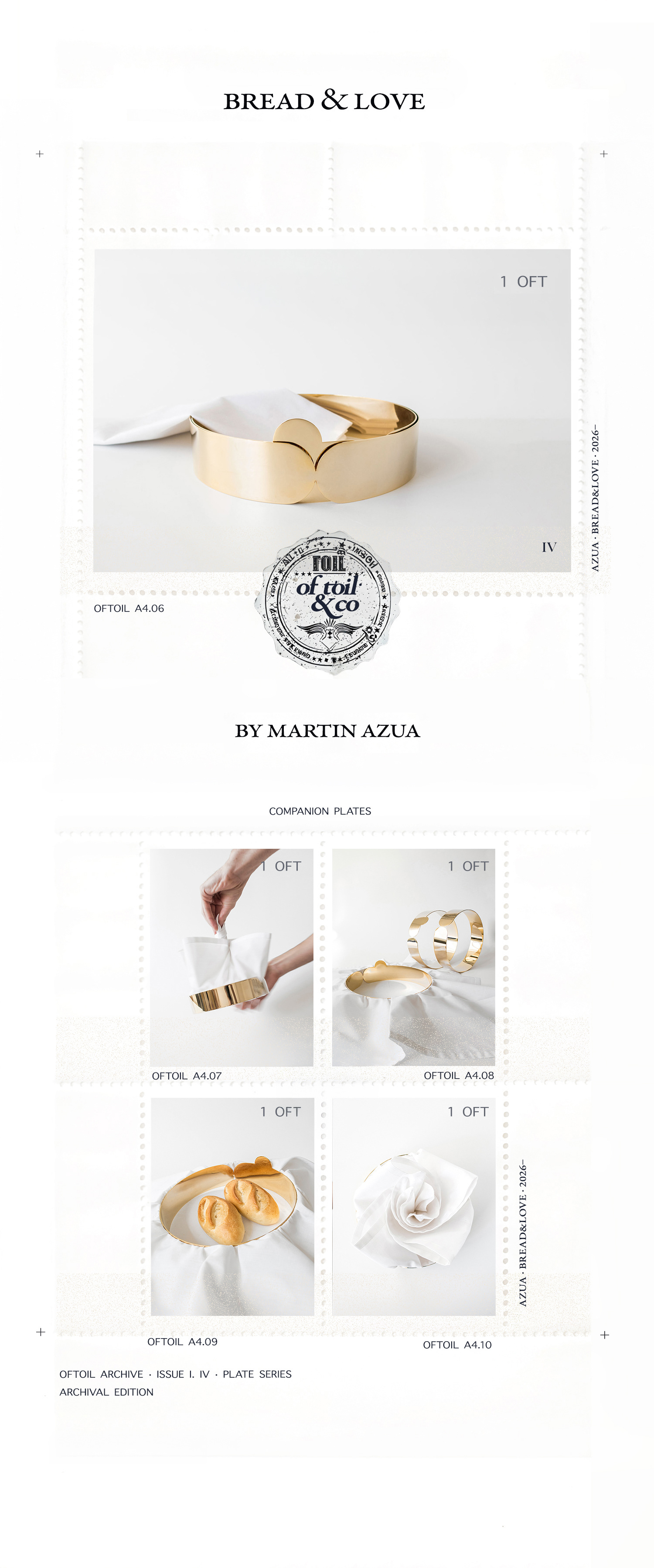
"An everyday object transformed into a jewel. Two metal rings catch a napkin in order to make a breadbasket. The shape reminds embroidery hoops, so it’s a good chance to embroider a wish that accompanies us in everyday actions. It is a very suitable object for keeping a promise alive; it has many similarities with wedding rings.
Martin Azúa designed the first version of this breadbasket in 2001 as a wedding gift for some good friends of him who are still a happy couple.
It is made in metal, coated in 24 carat gold and served with a napkin and a needle.
It is made in metal, coated in 24 carat gold and served with a napkin and a needle.
When carried to the table, the bread can be covered with the napkin corners, and well arranged, a flower can be created."
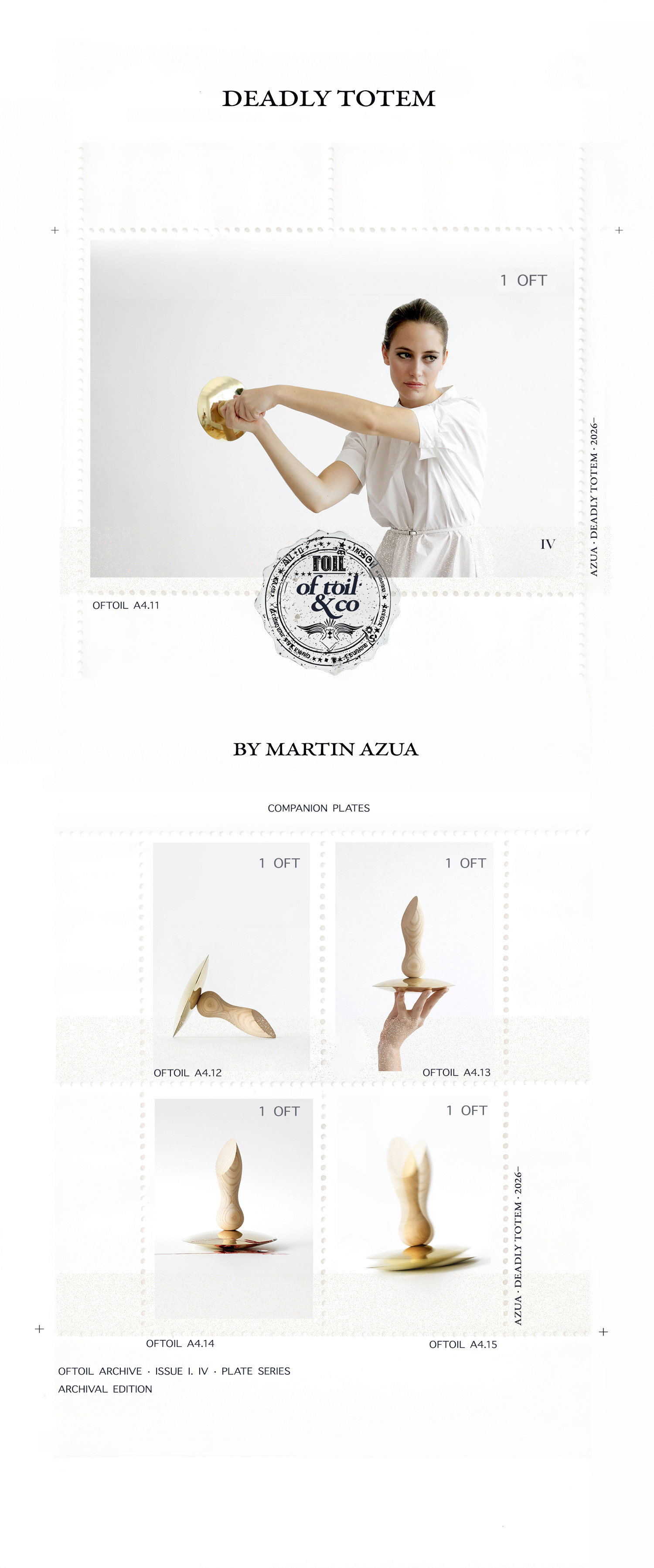
“Objects are not innocent, some hide attitudes for crime. In some violent acts the weapon is a banal object: a heavy candelabra, a trophy on a base, a 19th century bronze vase…
Deadly totem contemplates this second function of a decorative object. It is an elegant and heavy roly-poly which hides a very dangerous blade.
The designer does not take responsibility on these alternative uses and advises to distrust these objects of which we do not know where they come from or which intentions do they bring."
Deadly totem contemplates this second function of a decorative object. It is an elegant and heavy roly-poly which hides a very dangerous blade.
The designer does not take responsibility on these alternative uses and advises to distrust these objects of which we do not know where they come from or which intentions do they bring."
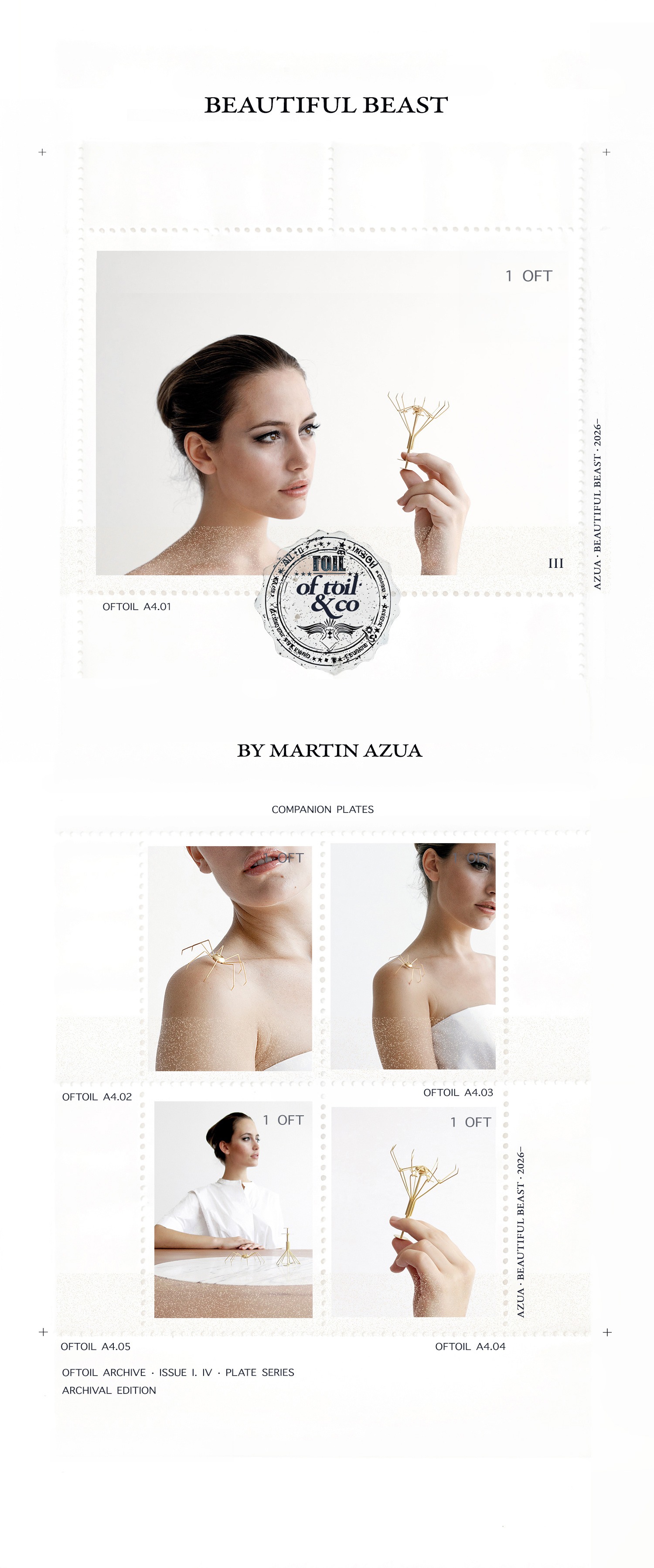
"When I was a child I observed with placid terror how spiders manipulated their prey. A ritual as relentless as refined that I have tried to reproduce in a piece of jewelry. Normally jewels are kind objects, but in this case they have a different role; it is something dangerous to be handled with great care. It is a golden spider with 8 very sharp flexible legs. A temporal piercing which incorporates pain as an unavoidable aspect of the jewel. The process of fastening is almost surgical, the skin is disinfected, it is applied and it is removed with a small mechanical artefact. The process is not free of danger and pain. Beauty hurts and requires an act of bravery and submission. The jewel possesses and controls you as the spider with its prey. Repulsion and fascination, the insects have exercised a strange fascination in the jewelers of all the epochs."
Designed by Martín Azúa and made by the jeweler Roc Majoral / Majoral. Martín Ruiz de Azúa (Martín Azúa) is a Spanish designer born in the Basque Country in 1961. His training in Fine Arts gives his work a speculative and experimental nature. One of his first projects was the “Basic House”, a radical interpretation of a Nomad shelter, which since 2007 has formed part of the MOMA of New York collection. He is a passionate observer of nature which he incorporates into many of his works, especially the items of ceramics that he designs. He claims the use of craftsmanship to safeguard the natural diversity of material and technological culture, collaborating with craftspeople of different professions.
Words & images courtesy of Martín Azúa.