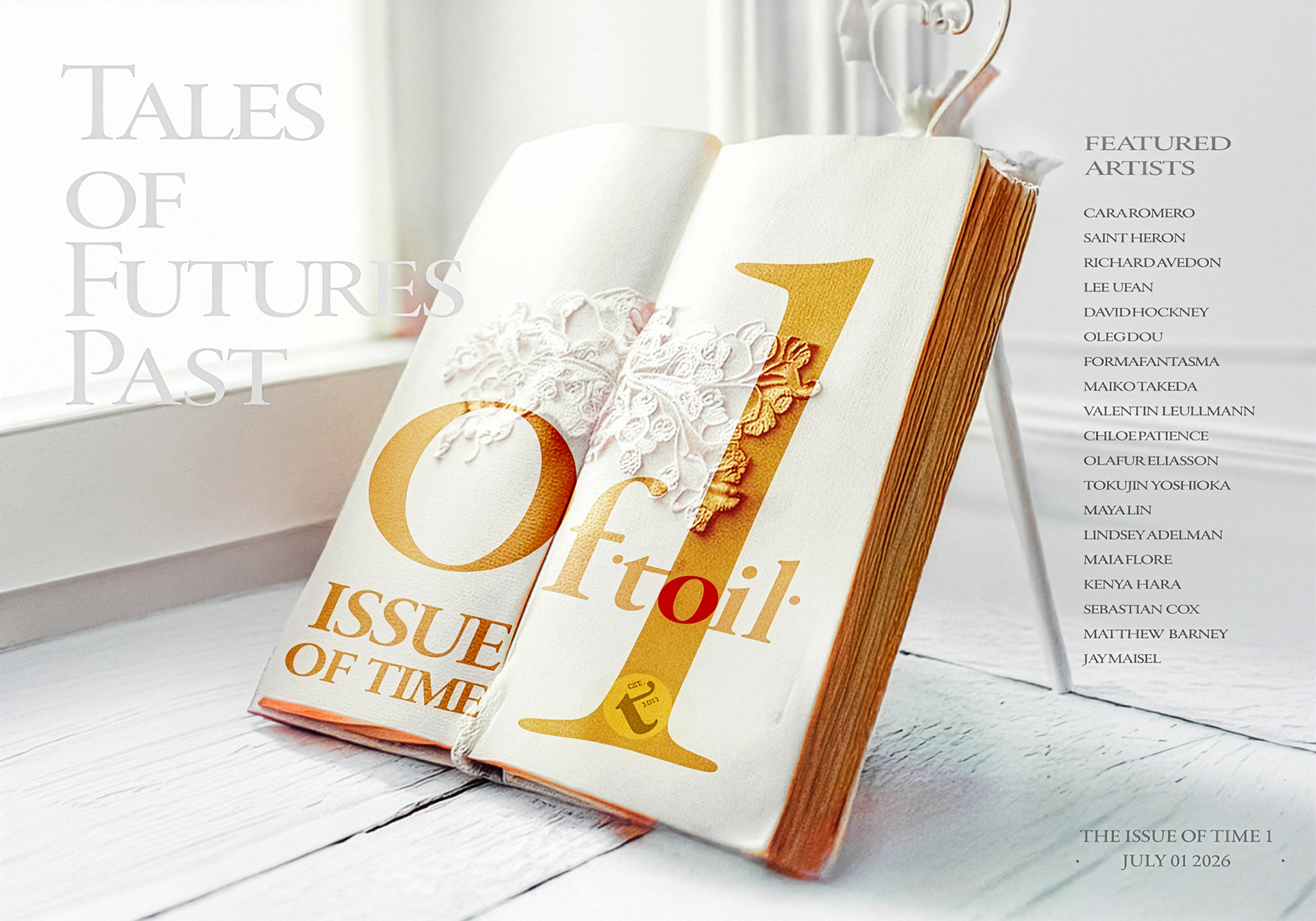

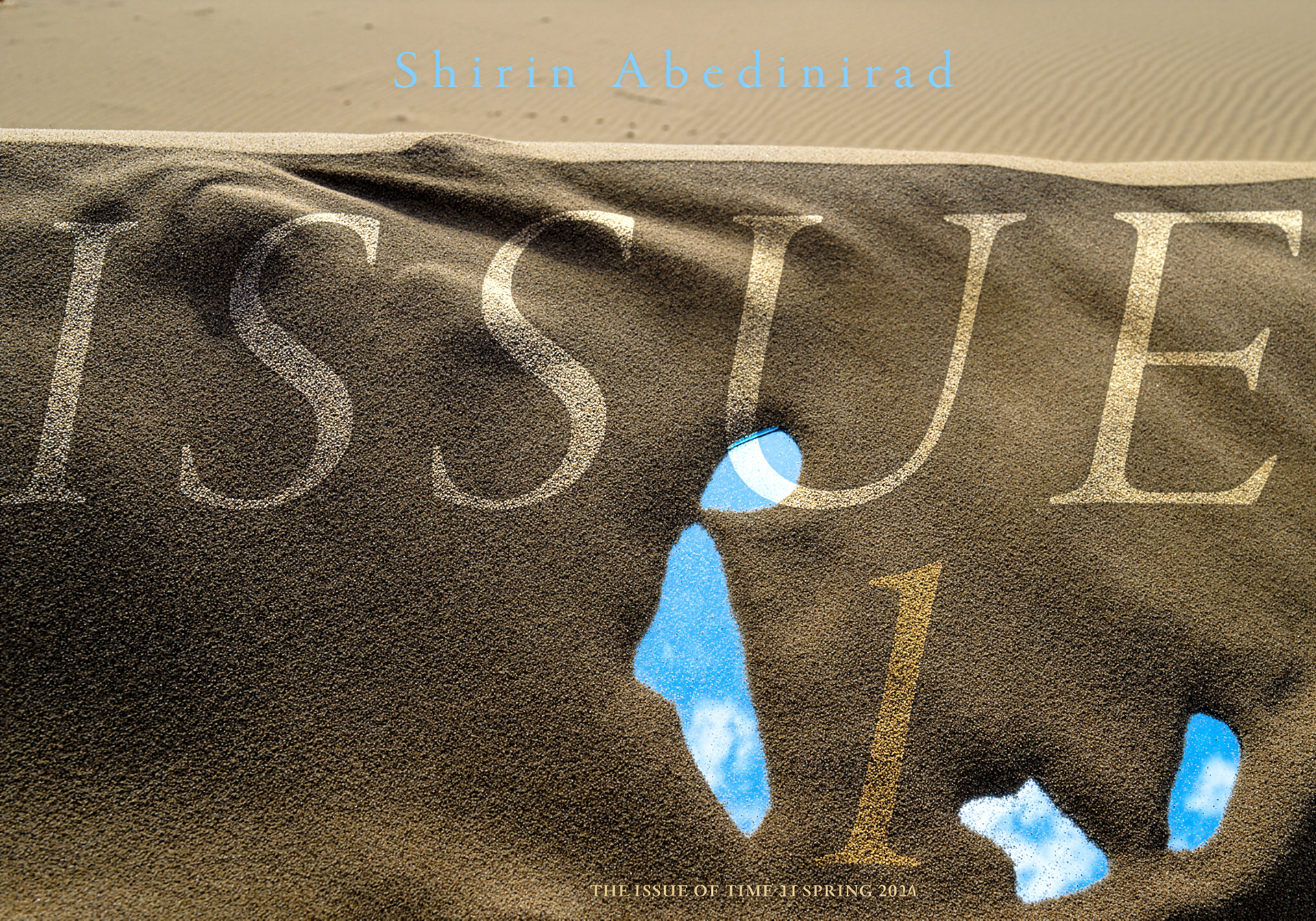
Issue I began in New York through the eye of a Jewish photographer documenting the modern city, and concludes in the Mojave Desert through the vision of a Chemehuevi photographer reclaiming Indigenous presence upon ancestral land. Between these two horizons unfolds a remarkably international archive: Japanese industrial designers, Korean and Ukrainian artists, Dutch architects, Polish illustrators, Italian makers, Scandinavian photographers, British fashion, American land artists, and creators from across Europe, Asia and the Americas. The archive was never assembled to satisfy geography or chronology, but to preserve enduring works that transcend both. Its diversity is therefore not editorial policy, but the natural consequence of following excellence wherever it resides.
The OfToil Archive began in New York through the lens of Jay Maisel, whose lifelong practice revealed the extraordinary hidden within the rhythms of everyday urban life. It concludes in the ancestral landscapes of the Mojave Desert through the vision of Cara Romero, whose photographs restore Indigenous presence to places where history has too often looked away. Between these two horizons unfolds an international constellation of architects, designers, photographers, artists, filmmakers, choreographers, ceramicists, and makers whose works transcend geography while remaining deeply rooted in place.
Across sixty Archives, no single movement, nation, or discipline has been privileged. Japanese industrial design, Dutch architecture, Ukrainian jewellery, Polish illustration, Scandinavian photography, Italian craftsmanship, British fashion, American land art, Indigenous visual culture, and countless other traditions meet not through chronology, but through a shared commitment to enduring creative thought. Diversity here is not an editorial objective; it is the natural consequence of following excellence wherever it resides.
Every archive is an act of selection. Every selection carries the hope that something worthy of remembrance might outlast the moment in which it was made. These pages were assembled in that spirit—not to catalogue everything, but to preserve what continues to speak with clarity across disciplines, cultures, and generations.
Issue I is therefore offered not as a conclusion, but as a beginning: the first volume of a living archive dedicated to works that continue to reward attention, long after novelty has passed.

the issue of time
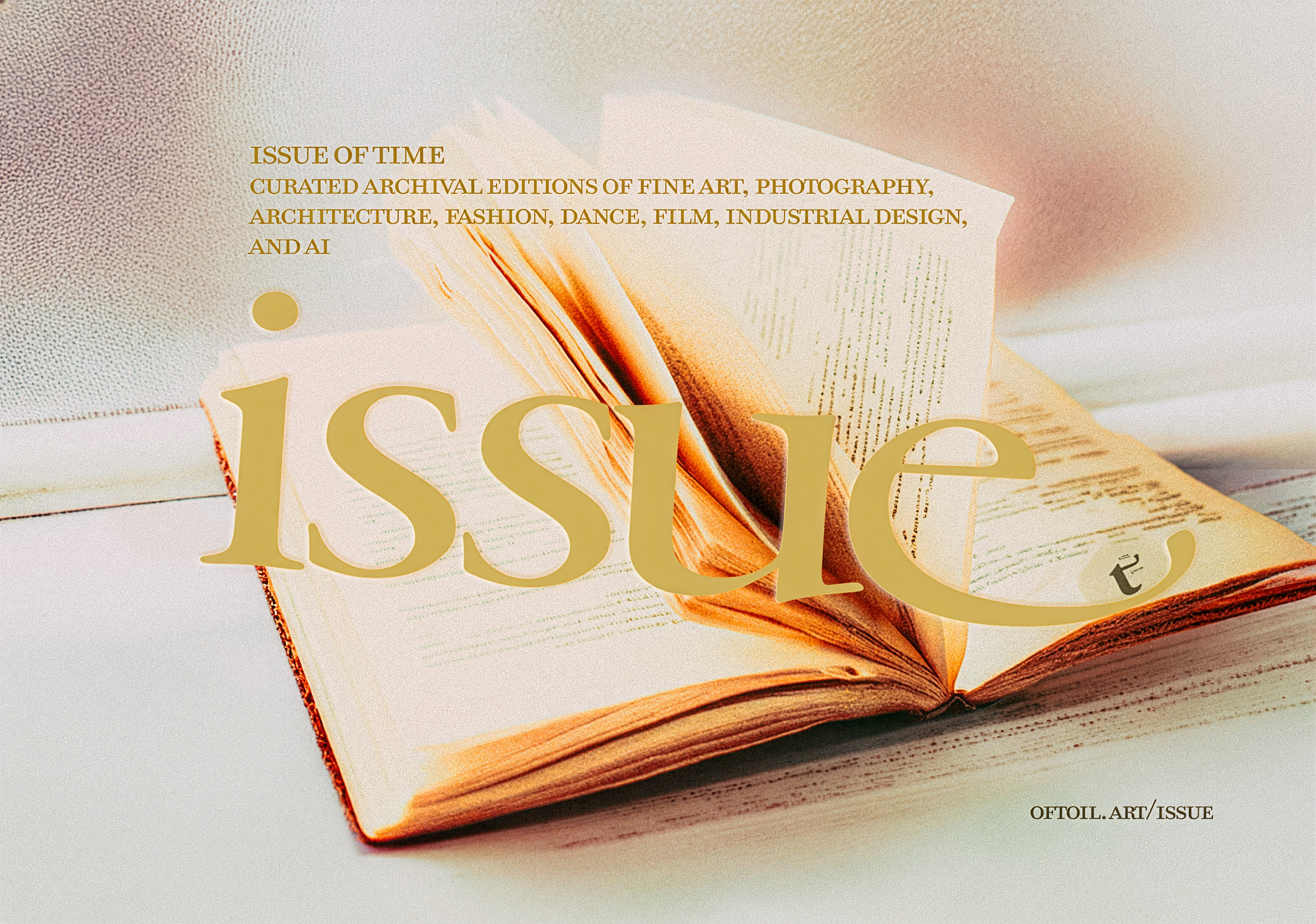
Archival publications, issued in time and gathered for keeping.
The Issues are the heart of OfToil.
They are not magazines. They are curated releases—modern folios of collected thought and image, shaped with the intentionality of fine press editions. Each Issue gathers sixty days of daily stamps into a single volume, creating a rhythm of discovery and preservation.
Inside, you’ll find photography, design studies, AI-assisted artworks, essays in form, fragments of process, and visual artifacts chosen for their clarity, resonance, and staying power. Every Issue is designed for continuity: to be printed, archived, shared, shelved, or simply kept open on a desk like a companion.
With each release, OfToil extends the archive—offering new work while keeping past work alive.
The Issues are the living memory of the studio.



Oftoil&co ART GALLERY
art. For the eye, the hand, and the keeping.
ART STUDIO FOCUS
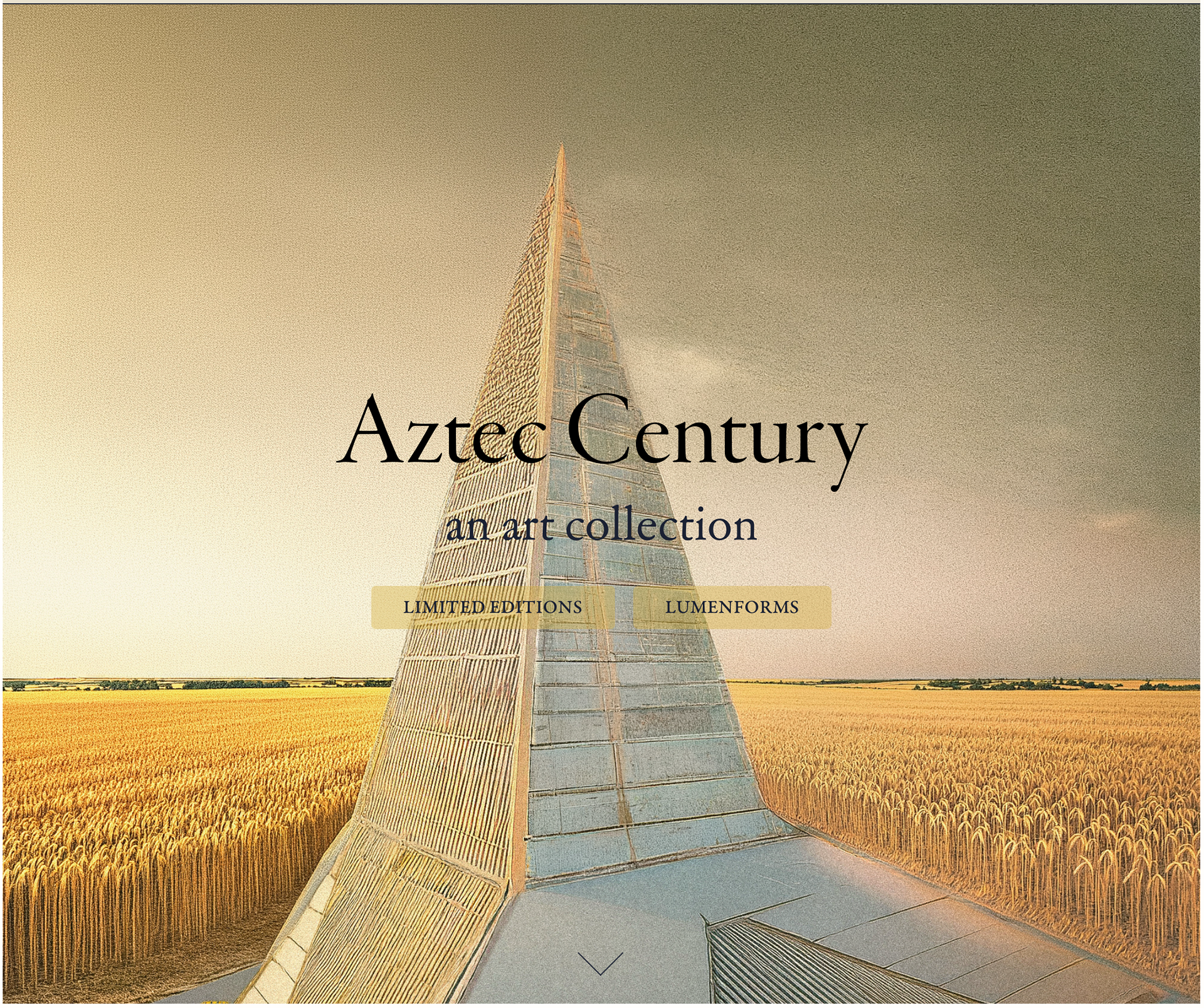
THE AZTEC CENTURY
In the realm of Sapio Century 3013 an AI-driven investigation delves into the metamorphosis of contemporary environments towards the distant future. This innovative study within the broader Sapio Century project explores the seamless transition from present-day settings to the landscapes of tomorrow.
Utilizing generative AI technology, ordinary spaces undergo a radical metamorphosis, offering a glimpse into a world where the future is not a distant concept but a tangible reality.
Utilizing generative AI technology, ordinary spaces undergo a radical metamorphosis, offering a glimpse into a world where the future is not a distant concept but a tangible reality.
Part 3 of this project paints a vivid picture of the Western Hemisphere spanning North and South Americas in the year 3013 and beyond.
In an alternate historical narrative untouched by European colonization, the Mayan, Incan, and Aztec civilizations flourish, shaping a vibrant world free from external disruptions.
Immersed in the natural splendor of Indian culture and guided by the profound ethos of its distinctive essence, a modern urban landscape emerges, transcending the boundaries of human imagination. Despite facing complete obliteration in actuality, this envisioned world stands as a testament to the enduring legacy of ancient civilizations and the limitless possibilities of AI to imagine what has been lost forever..
Immersed in the natural splendor of Indian culture and guided by the profound ethos of its distinctive essence, a modern urban landscape emerges, transcending the boundaries of human imagination. Despite facing complete obliteration in actuality, this envisioned world stands as a testament to the enduring legacy of ancient civilizations and the limitless possibilities of AI to imagine what has been lost forever..
Oftoil&co LUMEN GALLERY
LUMENS. For what light reveals, and time preserves.
Oftoil&co LUMEN FORMS
HERITAGE MEADOWS
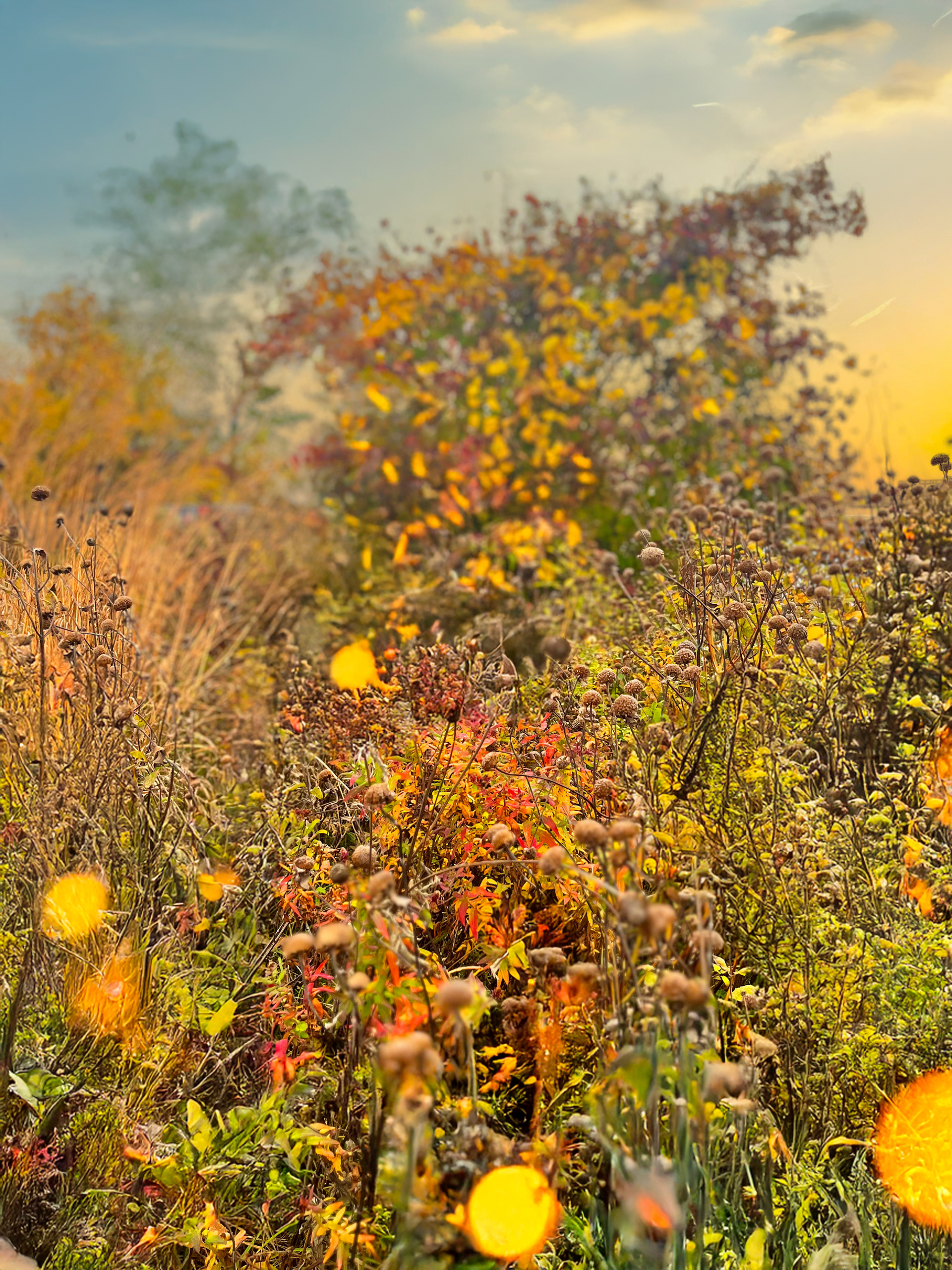
A cross the parklands of Lower Michigan, late summer drifts into early autumn with a kind of quiet extravagance. Meadows swell with color as the season reaches its final, generous bloom—bronzed seedheads standing beside pockets of foliage that flare suddenly into reds, ambers, and molten golds. The air itself seems softened by light, turning each scene into a slow, incandescent wash of warmth.
These landscapes carry a distinct duality. In some meadows, the grasses rise in tawny, textural waves—mature, sun-hardened, and touched by the first hints of seasonal decline. In others, the blooms remain lush and saturated, petals lacquered in purples and vivid greens that shimmer as if lit from within. Wind moves through everything, gentle but insistent, creating an ever-shifting mosaic of form and hue.
These landscapes carry a distinct duality. In some meadows, the grasses rise in tawny, textural waves—mature, sun-hardened, and touched by the first hints of seasonal decline. In others, the blooms remain lush and saturated, petals lacquered in purples and vivid greens that shimmer as if lit from within. Wind moves through everything, gentle but insistent, creating an ever-shifting mosaic of form and hue.
Nothing sits still for long; color and structure are in constant conversation.
What emerges is a portrait of Lower Michigan at its most sensorially abundant: meadows glowing under soft haze, foliage smoldering with early-autumn fire, and late blossoms stretching into their last, exuberant days. These images offer both serenity and vitality—capturing the region’s natural palette at the moment it is fullest, most complex, and most alive.
This set stands as a field study of transition and radiance, ideal for editorial use, interior display, or any collection seeking the quiet drama of the Midwest’s seasonal crescendo.
What emerges is a portrait of Lower Michigan at its most sensorially abundant: meadows glowing under soft haze, foliage smoldering with early-autumn fire, and late blossoms stretching into their last, exuberant days. These images offer both serenity and vitality—capturing the region’s natural palette at the moment it is fullest, most complex, and most alive.
This set stands as a field study of transition and radiance, ideal for editorial use, interior display, or any collection seeking the quiet drama of the Midwest’s seasonal crescendo.
Photography by Agaave Y.
Oftoil&co BOOK DESIGN
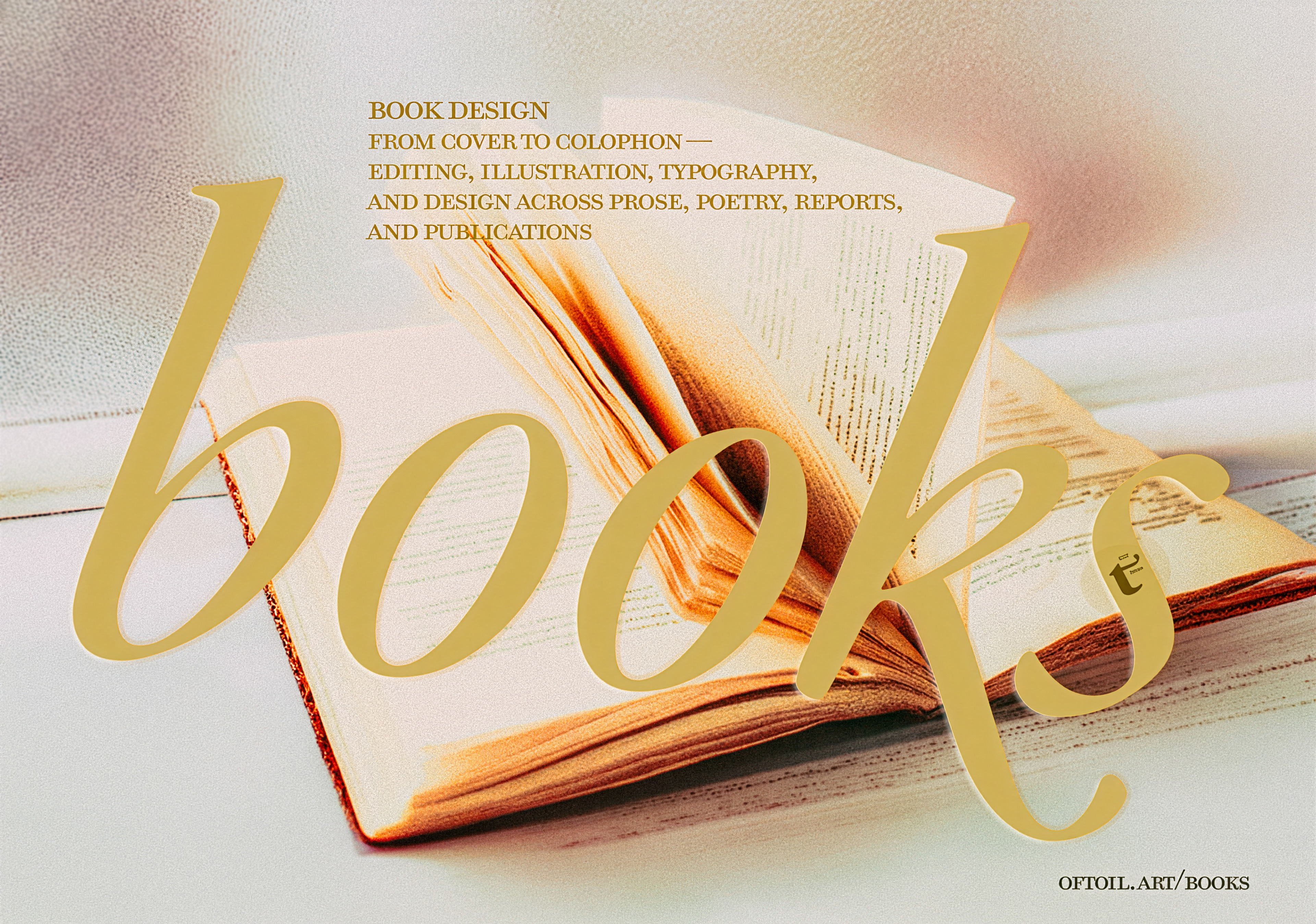
Book design. Where thought takes form, and form enters time.
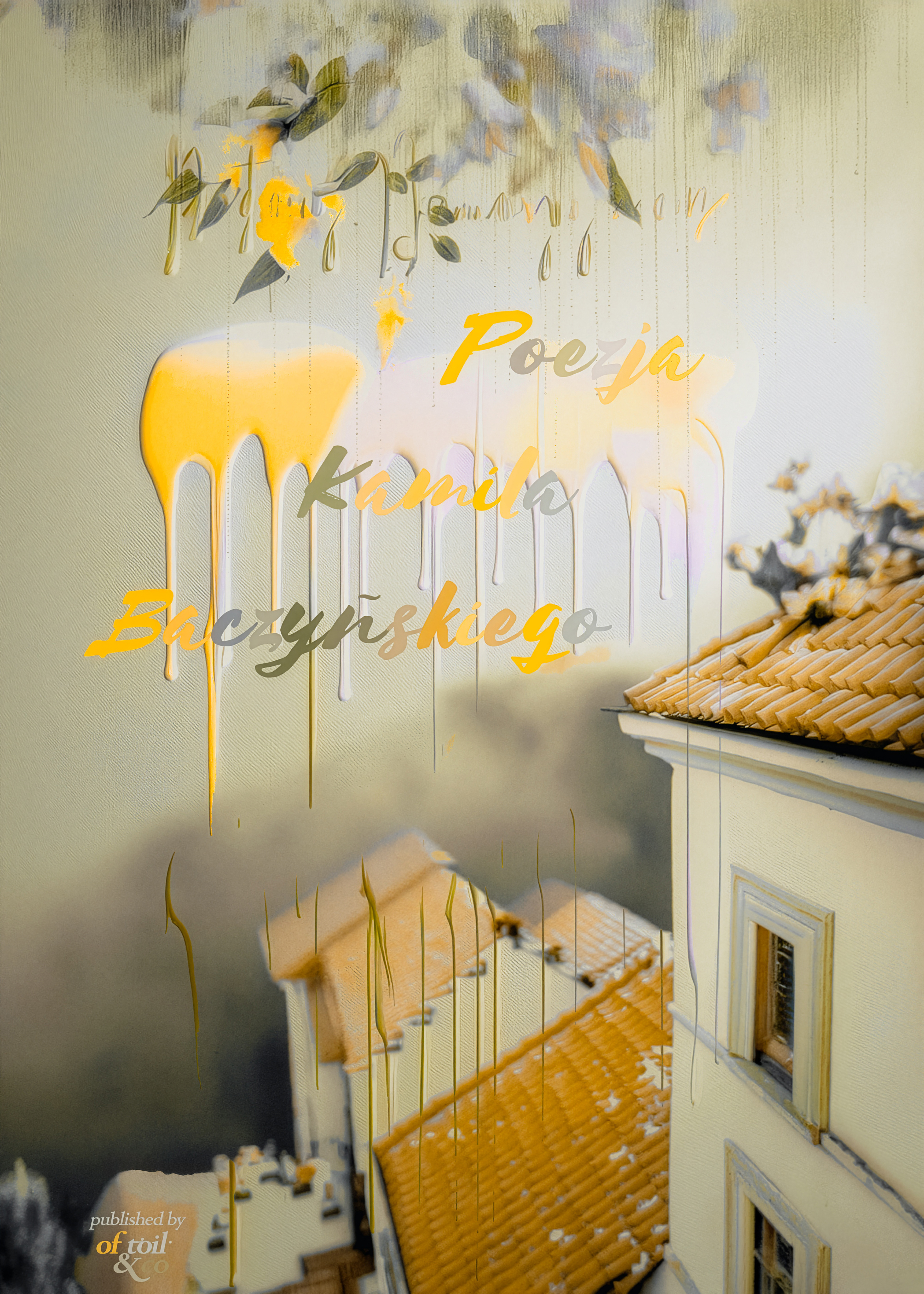
This body of work began not with a manuscript, but with images.
The illustrations emerged first — loosely, intuitively, without a fixed literary anchor — as visual meditations on pressure, suspension, tenderness, and landscape under strain. They carried the emotional temperature of a world already altered: petals falling like time, corridors turning into forests, figures veiled by flowers, open rivers flowing after something unnamed has passed.
Only later were the poems sought.
The illustrations emerged first — loosely, intuitively, without a fixed literary anchor — as visual meditations on pressure, suspension, tenderness, and landscape under strain. They carried the emotional temperature of a world already altered: petals falling like time, corridors turning into forests, figures veiled by flowers, open rivers flowing after something unnamed has passed.
Only later were the poems sought.
Rather than illustrating specific texts, the process moved in reverse: the images were treated as emotional instruments, and Kamil Krzysztof Baczynski’s poetry was revisited through them. Poems were not chosen for narrative correspondence, but for shared internal states — rhythm, inevitability, fragility, devotion under threat, enchantment with an undertow, and survival without triumph. Several poems were tested, abandoned, returned to. Images were reassigned. Meanings shifted. The book assembled itself through resonance rather than chronology.
Oftoil&co STATIONERY
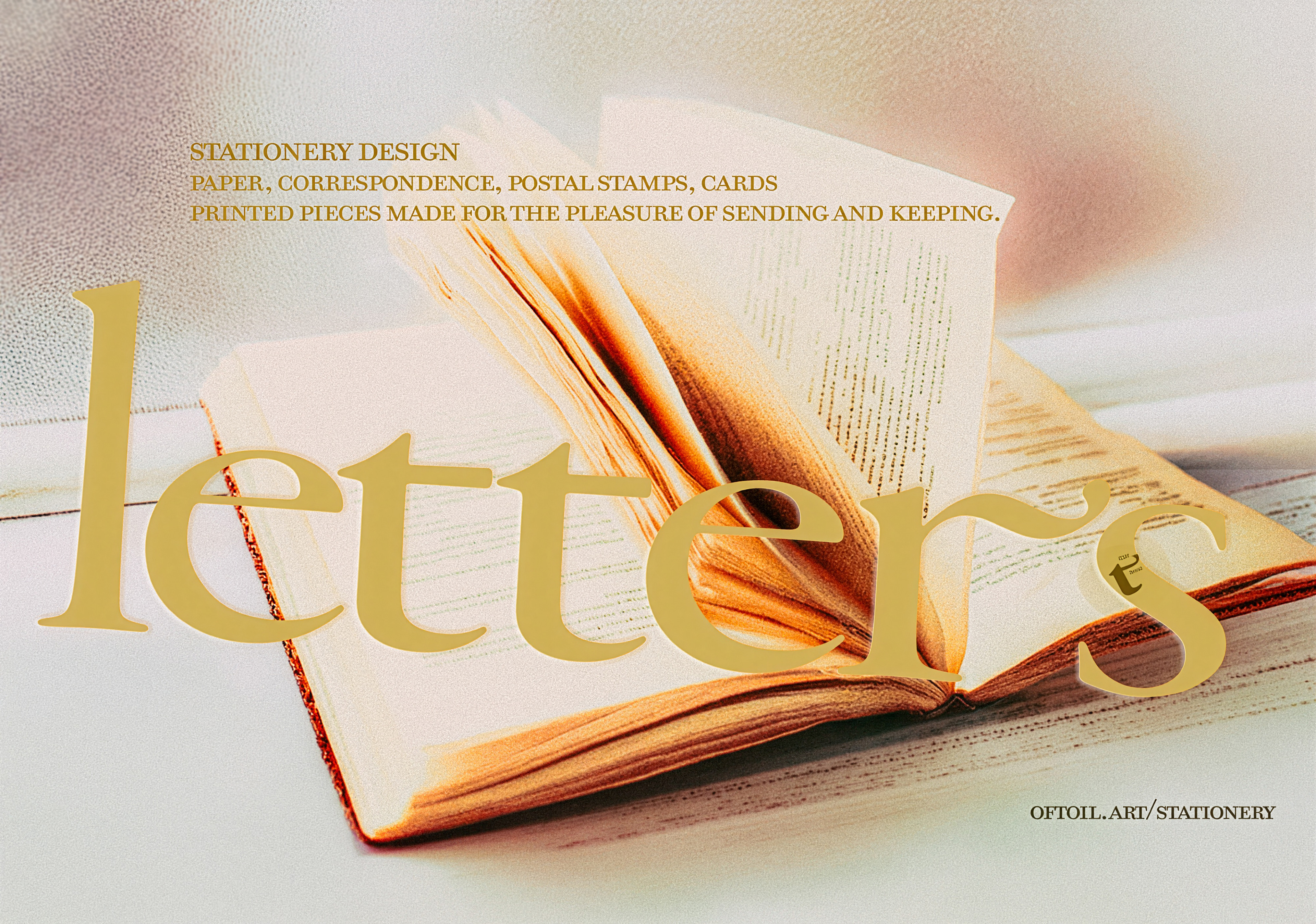
STATIONERY. For words entrusted to paper.
Oftoil&co STATIONERY
GREETINGS
FROM GDANSK
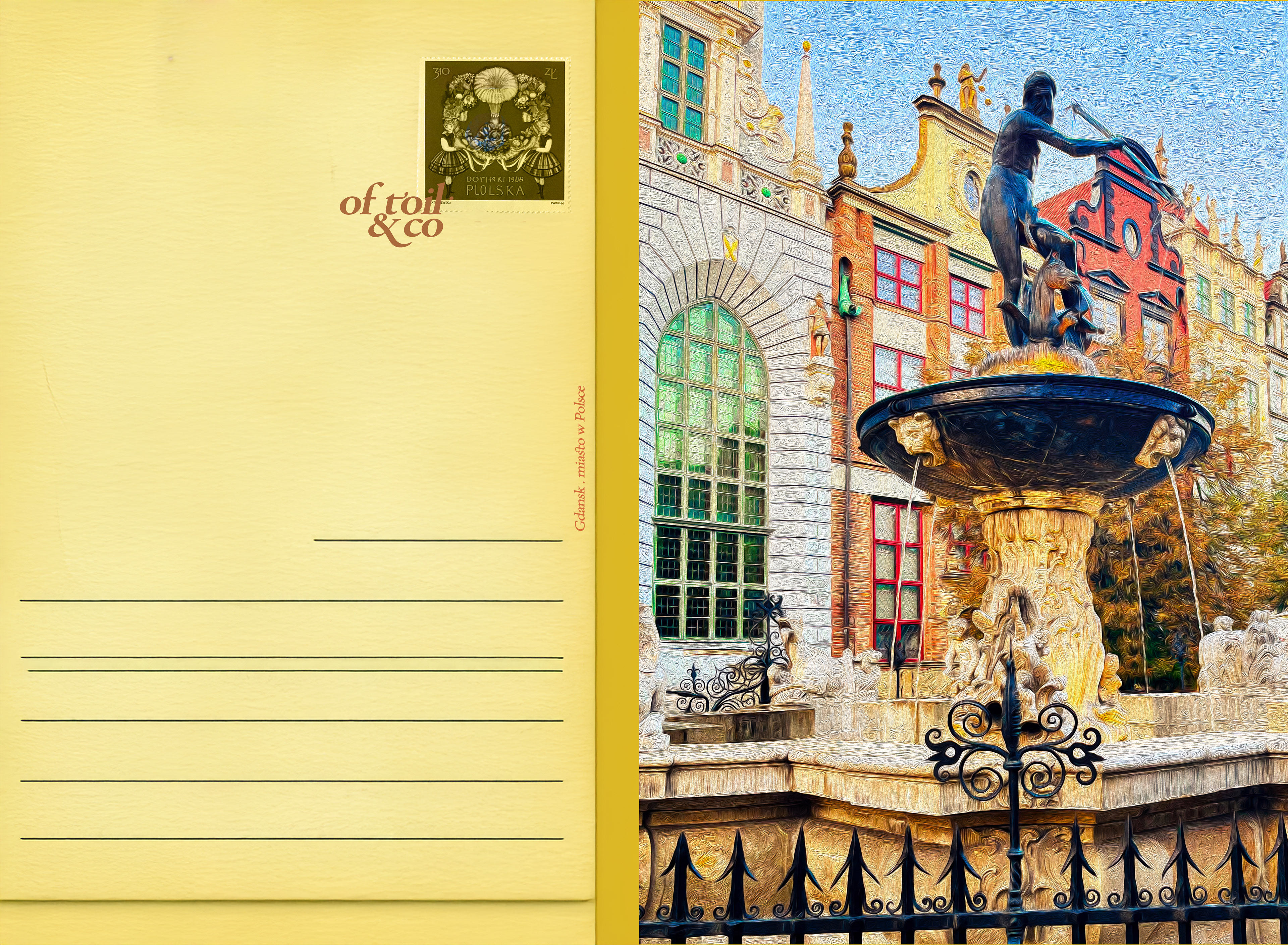
Gdansk is a city formed at the intersection of land and water, faith and trade. Its earliest recorded mention appears in 997, when the missionary Wojciech—later Saint Adalbert—passed through the settlement at the mouth of the Motława River. In the account of the monk Jan Kanapariusz, the name urbs Gydannyzc marks its first written trace. From the beginning, Gdansk existed in circulation: of people, beliefs, and goods.
By the late tenth century, a fortified port had emerged. Slavic inhabitants lived alongside merchants and craftsmen, shaping a city defined by coexistence. Under the Pomeranian dukes and later through Lübeck rights, Gdańsk developed as a self-governing urban organism. Political upheavals—most notably the 1308 takeover by the Teutonic Order—left lasting marks, yet did not halt growth. Infrastructure such as the Radunia Canal and Great Mill dates to this period.
From the fourteenth to seventeenth century, as part of the Hanseatic League, Gdańsk became a major Northern European port. After its incorporation into the Polish Crown in 1454, the city secured broad autonomy through the “Great Privilege” of 1457, balancing economic strength with political independence.
The Reformation reshaped its spiritual life. Protestant yet tolerant, Gdansk became a refuge for diverse communities, reinforcing its cosmopolitan character. Though often resistant to authority, it remained strategically loyal in times of conflict.
The modern era brought decline through partitions, shifting sovereignties, and war. After the First World War, Gdansk became a Free City under the League of Nations, a fragile status that ended with the outbreak of the Second World War at Westerplatte in 1939. By 1945, much of the city lay in ruins.
Reconstruction followed as interpretation rather than replication. In the postwar period, Gdansk emerged as a symbol of resistance, marked by the protests of 1970 and the Solidarity movement of 1980, which helped reshape Europe’s political landscape.
Today, Gdansk continues to evolve with an acute awareness of its past. Its motto—Nec temere, nec timide (“without fear, but with caution”)—remains a guiding principle. This series records the city not as spectacle, but as a place shaped by exchange, endurance, and memory.
⸻