"Architecture is not about form-making, it's about world making.”
“We’re not interested in creating a signature style. We’re interested in creating a system that can produce many different outcomes.
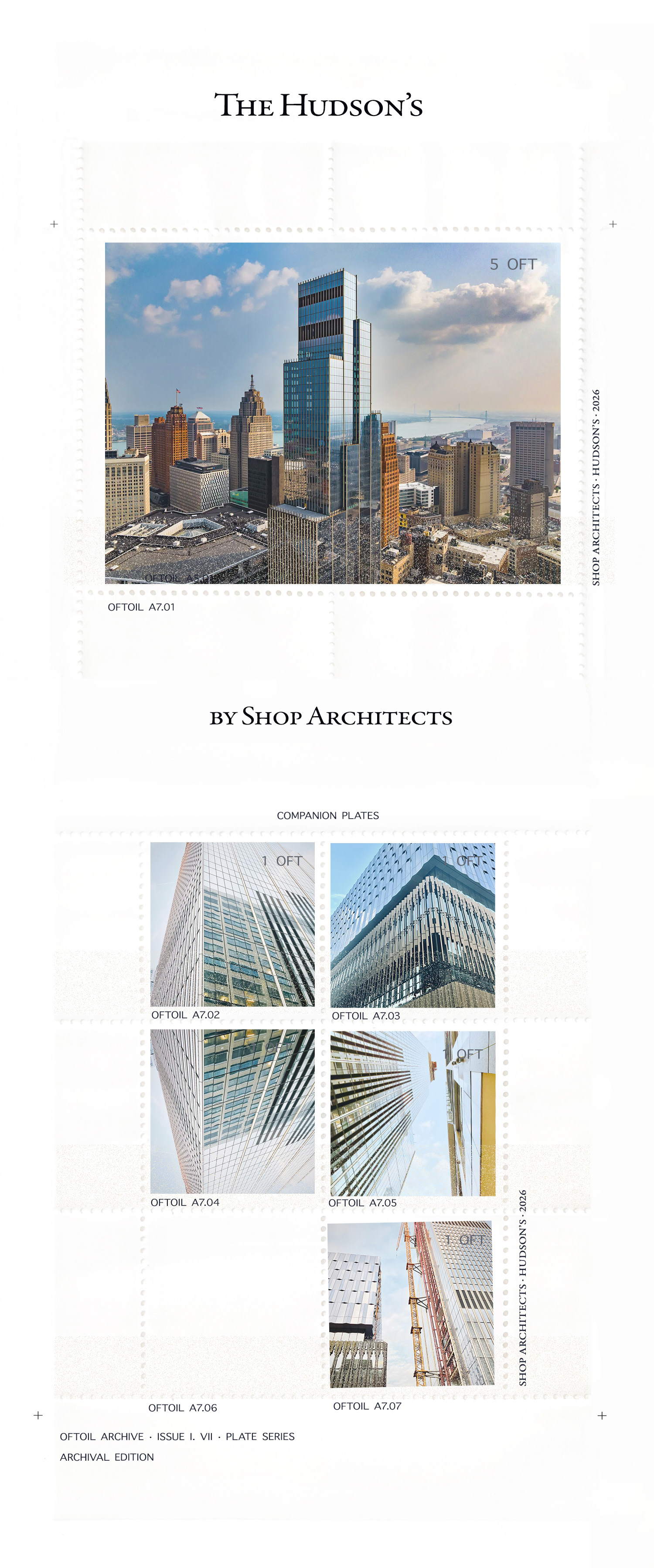
"Our project at Detroit’s historic Hudson’s Site is a powerful tool to encourage economic growth and the renewal of civic pride.
In 2013, SHoP was selected after an invited competition to study the possibilities for using the former J.L. Hudson’s Department Store site in downtown Detroit as a catalyst for the ongoing revitalization of the city. Our clients at Rock Ventures recognized that the Hudson’s site must play a central role in their efforts to enliven the area by returning residents, commerce and public programing to the cultural center of Detroit. This effort ultimately led General Motors to choose our building as the location for its new global headquarters.
Hudson’s offers a very broad range of uses, including a world-class performance and conference venue, premium retail, the Detroit EDITION hotel and residences, the GM headquarters and ground-level showroom as well as additional class-A office space. A new public thoroughfare known as Nick Gilbert Way crosses the heart of the site. Designed for gathering, this new civic amenity allows Detroiters once again to occupy the center of downtown’s most important location."
(words: Shop Architects)
"Hudson’s Detroit is the city’s first ground-up development in more than 50 years and Michigan’s second-tallest building. Spanning over 1.5 million square feet, the property includes two distinct buildings: a 12-story low-rise building and a 685-foot tower separated by a walkable plaza connecting Woodward Avenue with Library Street.
This transformative mixed-use destination will feature The Detroit Edition hotel, The Residences at The Detroit Edition, Class A office space, including the global headquarters of General Motors, food and beverage concepts, retail brands, an event venue and activated public spaces. Hudson’s Detroit blends best-in-class design with innovation to offer an unparalleled platform for businesses, residents and experiences." (words: Bedrock)
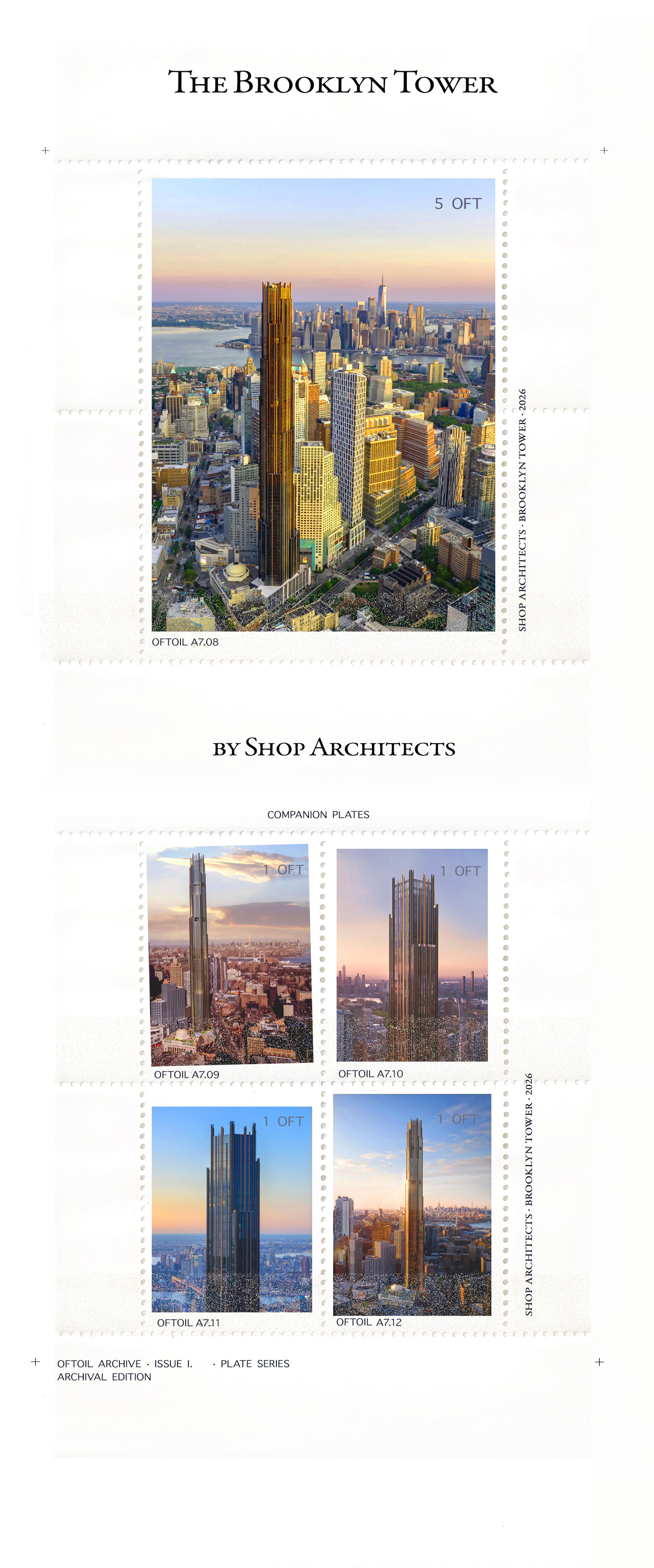
"At 1,066 feet, The Brooklyn Tower is the tallest in the borough. The historic interior of the Brooklyn Dime Savings Bank, an adjoining landmark, has been restored as a key retail anchor for the neighborhood, linking Flatbush Avenue and Fulton Street, two of Brooklyn’s defining thoroughfares. The timeless design of the 93-story residential tower is accented with a palette of materials selected to evoke the bank’s rich City Beautiful detailing while expressing the spirt and prominence of Brooklyn."
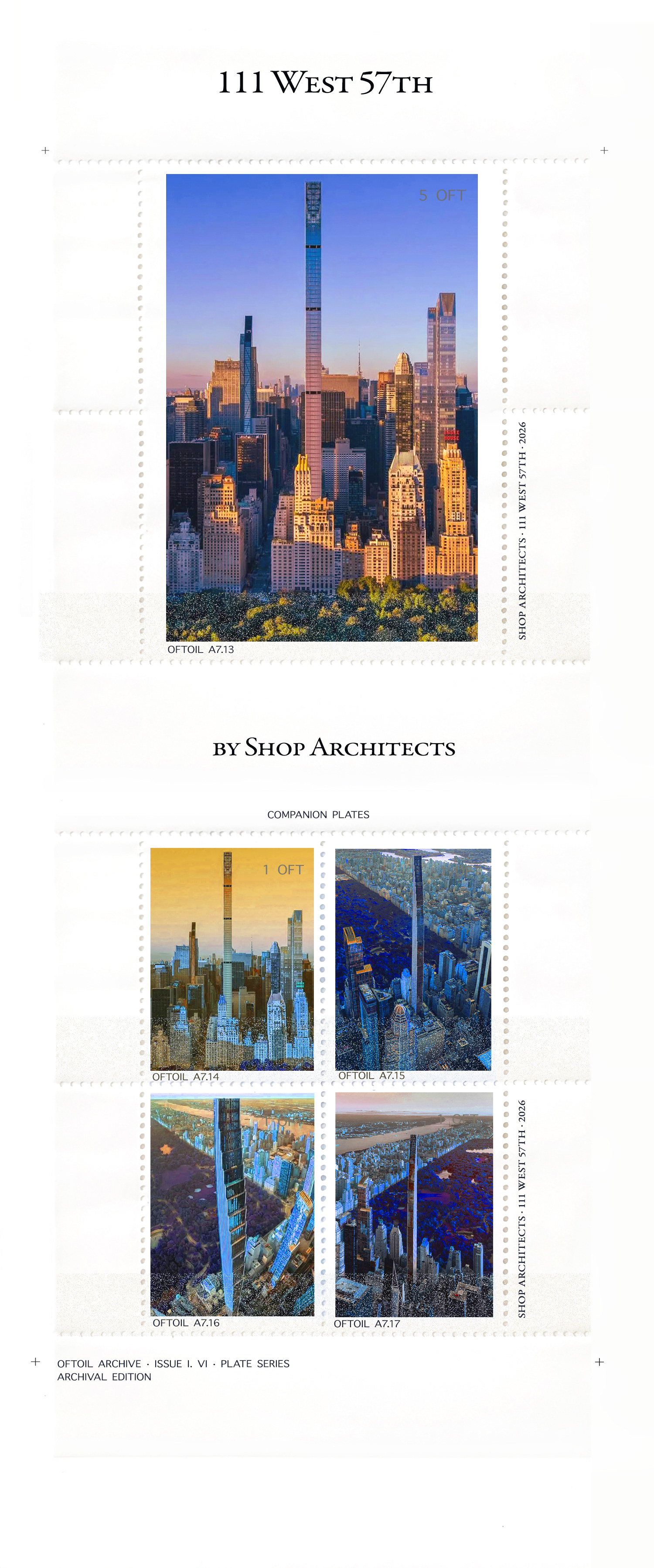
"Manhattan’s classic skyscrapers are a powerful combination of optimistic expression and technical invention. 111 West 57th Street updates that heritage for today.
With a total height of 1,428 feet, the residential tower at 111 West 57th Street is among the tallest buildings in New York City. As a prominent new local and regional landmark, it bears a special responsibility to contribute meaningfully and elegantly to the shared skyline. We achieved that goal by carefully shaping the tower’s profile, and by developing an innovative approach to using an authentic material from the golden age of the Manhattan skyscraper: terra-cotta.
The tower’s form is a bold interpretation of what is possible within the requirements of the Midtown Manhattan zoning envelope. Mandated setbacks were multiplied where the building form contacts the sky-exposure plane, resulting in a feathered rather than a stepped profile.
The setbacks serve as sites for a finial at the top of each column of the terra-cotta ornament that rises on the east and west facades. Without mimicking historic precedent, this approach unifies the massing of 111 West 57th Street in the tradition of classic towers such as One Wall Street, 30 Rockefeller Center, or the Empire State Building.
Terra-cotta is one of the most beautiful and adaptable materials available to architects today. For 111 West 57th Street, blocks of sequentially varying profiles were modeled, extruded, glazed, and then stacked into an involuted pattern, like a softly breaking wave, that appears at once novel and familiar. Staggering those elements across the facade creates a distinctive moiré that changes dramatically when seen in different lights or from various distances."
Images & words courtesy of Shop Architects, and Bedrock Inc.