“The thing’s hollow—it goes on forever—and—oh my God—it’s full of stars.”
— 2001: A Space Odyssey
— 2001: A Space Odyssey
Aboard Discovery One, en route to Jupiter, the world has already been decided.
In 2001: A Space Odyssey, Stanley Kubrick composes an interior without excess, or hesitation.
Few works in cinema—and fewer still in design—have altered our perception of space, object, and future as profoundly as 2001: A Space Odyssey. What Stanley Kubrick constructed was not merely a narrative, but an environment: a total design language where architecture, industrial design, typography, and human gesture dissolve into a singular, controlled vision.
The interiors of 2001 remain startling not because they predict the future with accuracy, but because they establish a timeless logic of form.
Surfaces are continuous, edges softened into inevitability, and color reduced to a disciplined palette of whites, blacks, and controlled signals of red and amber. The result is a world that feels less designed than ordained—an environment where human presence becomes secondary to system, rhythm, and motion.
Across these plates, we encounter not just scenes, but spatial propositions. Corridors become infinite axes. Rotating chambers reframe gravity as a visual device. Interfaces reduce interaction to gesture and gaze. Each frame is composed with architectural precision, revealing Kubrick’s obsessive calibration of proportion, symmetry, and light. The human figure, often centered, appears less as protagonist and more as a unit—measured against the scale of its own creations.
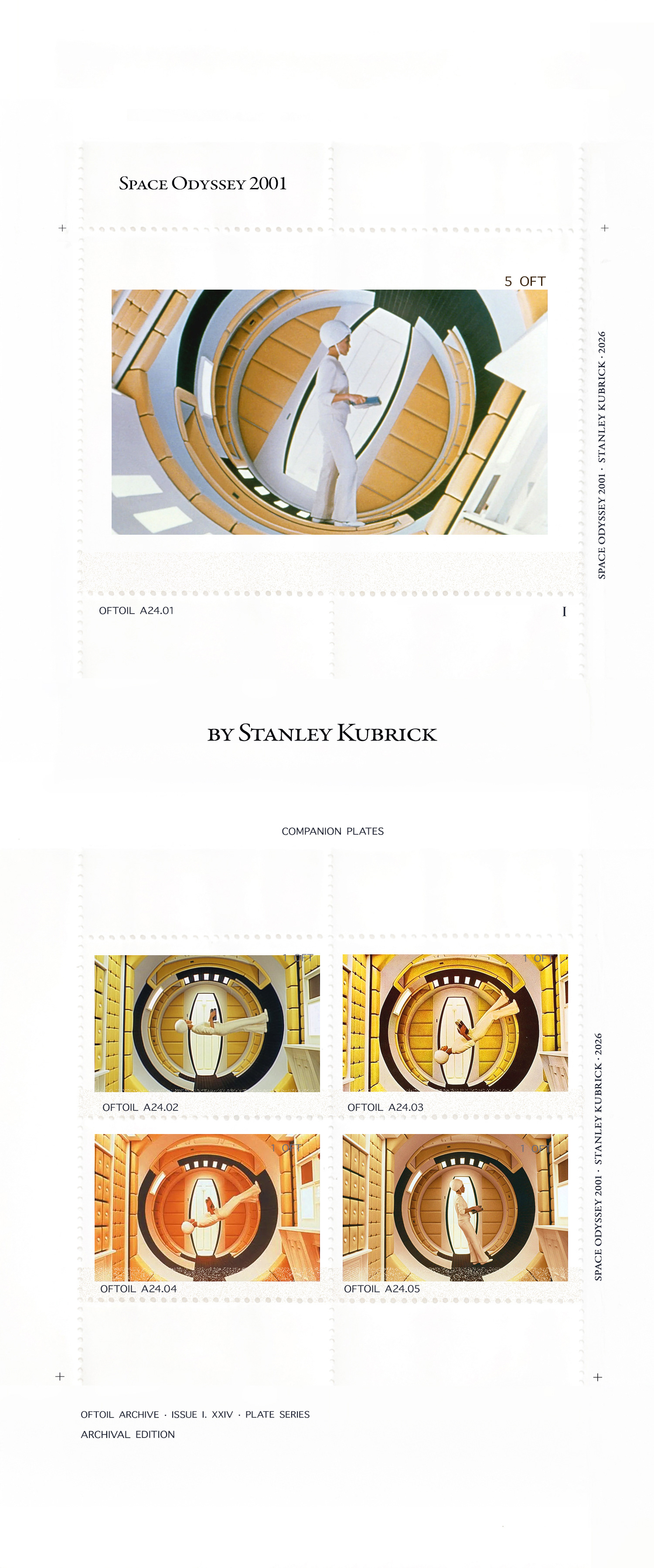
Plate I — Discovery One, Centrifuge (Frank Poole)
Frank Poole runs the circumference.
The centrifuge turns with measured calm, generating the gravity that the void withholds. White surfaces curve into themselves, a seamless band without origin. Step follows step, the body kept in motion to remain.
No horizon presents itself. Orientation is carried within the act. The circle closes, then closes again. A life sustained by rotation.
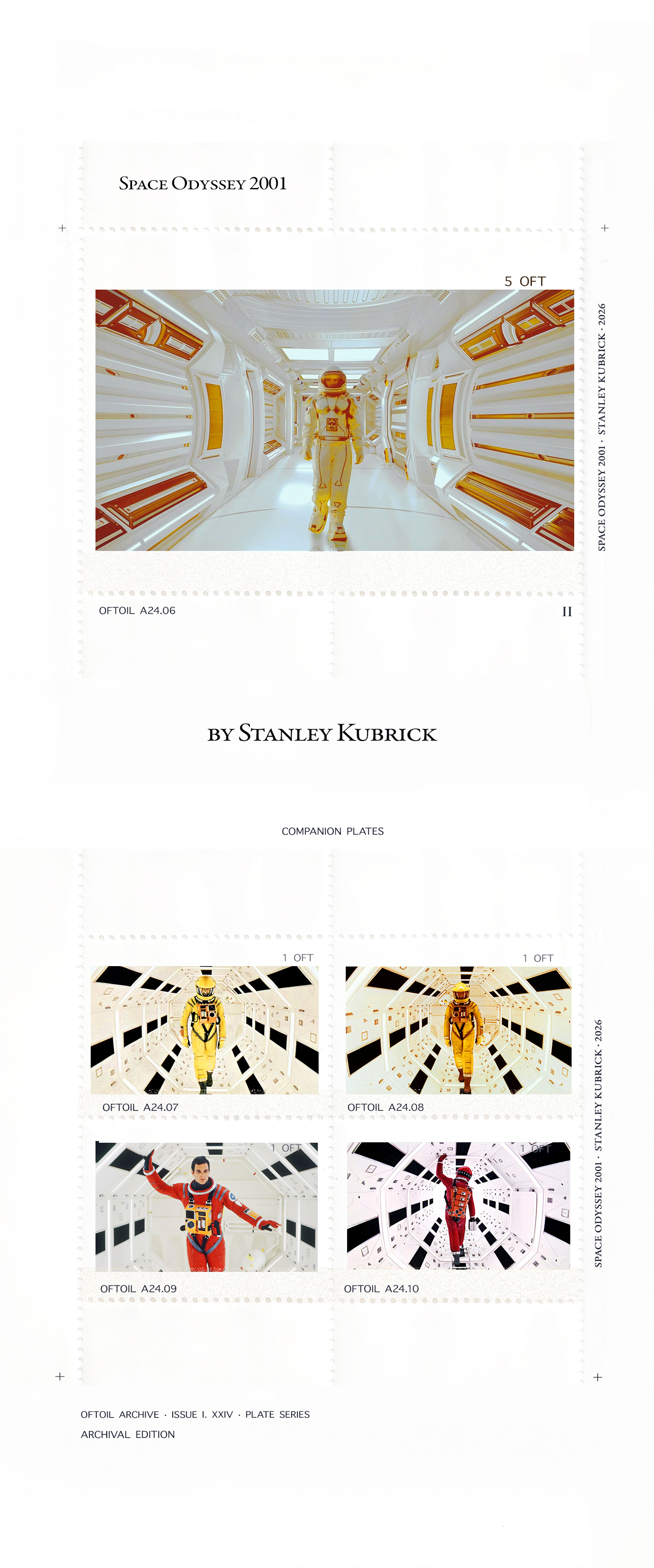
Plate II — Discovery One, Transit Interior (Dave Bowman / Frank Poole)
The mission withdraws from the public world.
Inside Discovery One, the line replaces the circle. Passage extends, exact, without deviation. Dave Bowman and Frank Poole move within a structure that anticipates them completely—air, light, distance, all resolved in advance.
No excess remains. No adjustment is required. The system holds.
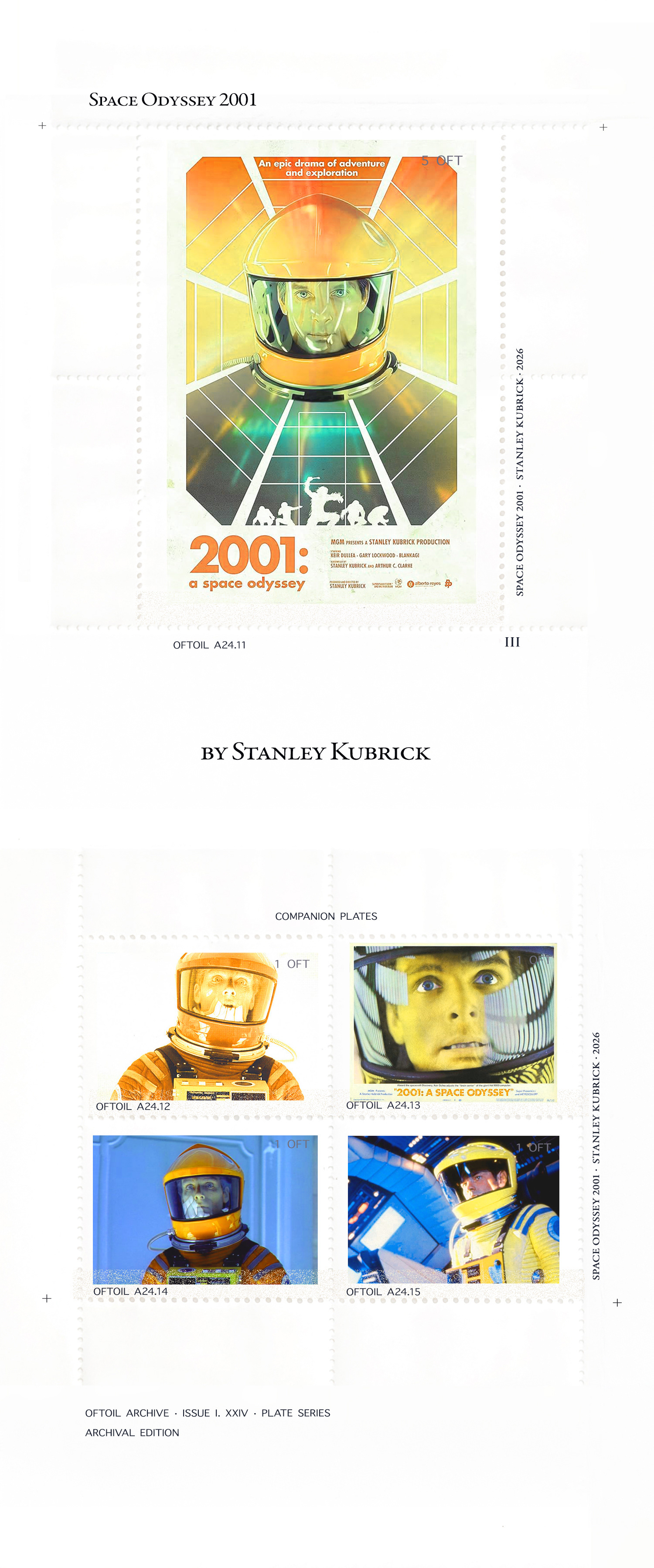
Plate III — EVA / Helmet Interface (Bowman / Poole)
The human face arrives through mediation.
Glass, reflection, instrument light—layers accumulate between presence and perception. The voice is carried elsewhere, the gaze returned through surface.
Outside, no atmosphere. Inside, a controlled exchange.
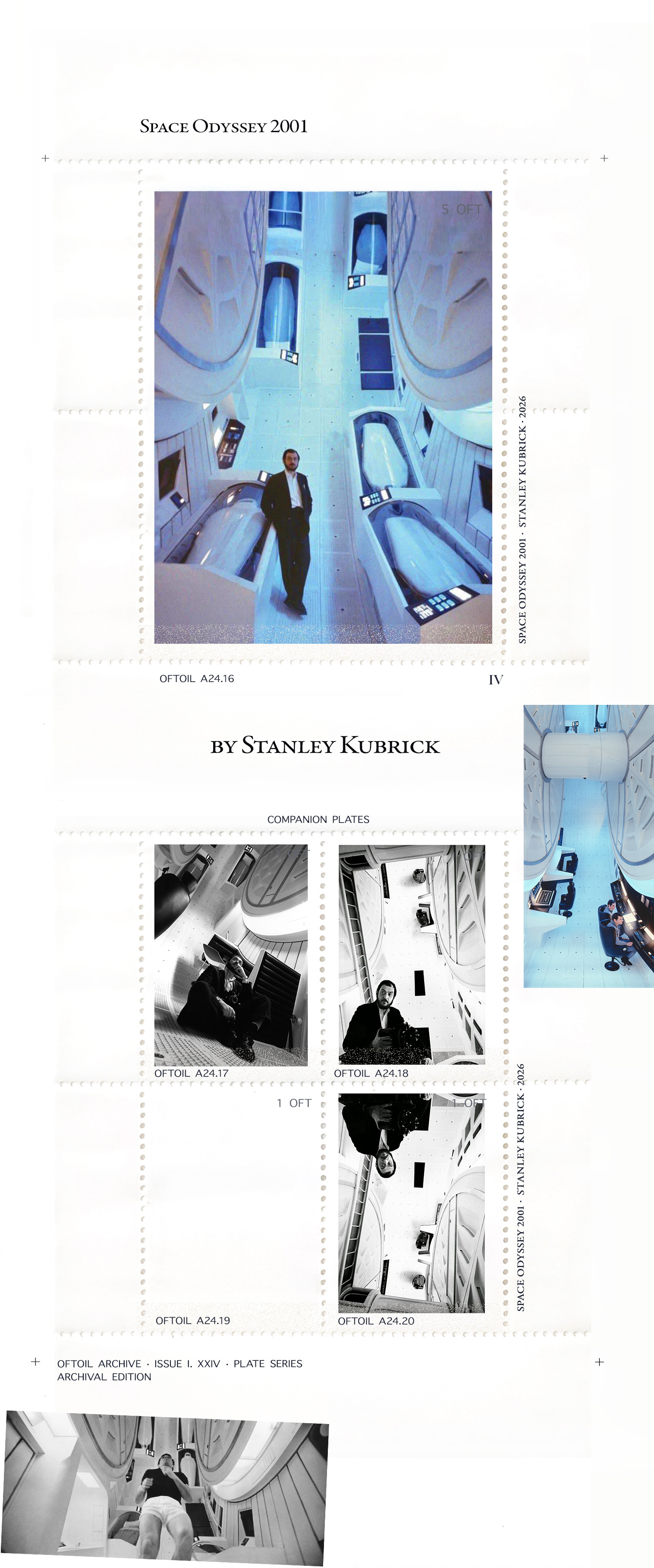
Plate IV — Production Stills (Stanley Kubrick on Set)
The frame opens.
Stanley Kubrick stands within the space that had appeared complete. The corridor, the light, the apparatus—held in place not only by system, but also by decision. Assistants, camera, structure—everything visible, everything contingent.
The future resolves into method.
What had seemed inevitable reveals itself as constructed, measured, and directed with absolute precision.
What makes 2001: A Space Odyssey endure is not its story, but its stillness. In an era saturated with acceleration and visual excess, Kubrick’s work resists urgency. It asks the viewer to observe, to inhabit, to measure space rather than consume it. This restraint is precisely what gives the film its lasting authority within design culture.
The environments presented here suggest a future shaped not by abundance, but by reduction—where clarity replaces decoration, and precision becomes a form of beauty. Materials are honest, geometry is intentional, and every element exists within a larger systemic logic.
It is a world where design is no longer expressive in the conventional sense, but existential: it defines how one moves, breathes, and perceives.
For OfToil, these plates are not archival nostalgia. They are a reminder of a standard—one in which design operates with conviction, coherence, and restraint. Kubrick’s vision proposes that the future is not something to be imagined loosely, but constructed rigorously.
In this sense, 2001 remains unfinished. Not because it lacks resolution, but because its design language still exceeds the present.