“As an Indigenous photographer, I embrace photography as my tool to resist Eurocentric narratives and as a means for opening audiences’ perspectives to the fascinating diversity of living Indigenous peoples.”
— Cara Romero
— Cara Romero
Cara Romero (Chemehuevi) has transformed contemporary photography into a site of cultural continuity, where portraiture becomes an act of sovereignty and imagination. Working in carefully staged tableaux, she draws upon Indigenous histories, oral traditions, environmental memory, and contemporary life to create images that refuse the inherited narratives through which Native peoples have so often been represented. Her photographs do not reconstruct the past; they insist upon the uninterrupted presence of Indigenous futures.
Rooted in the ancestral landscapes of the Mojave Desert and the Chemehuevi homeland, Romero’s work occupies a rare space where documentary precision meets mythic storytelling. Every composition is meticulously choreographed, yet never theatrical for its own sake. Symbol, costume, landscape, and gesture converge into visual poems that ask viewers to reconsider not only history, but the ways photographs themselves shape cultural memory. Through her lens, Indigenous identity emerges not as an historical subject, but as a living, evolving force that remains inseparable from land, family, and ceremony.
Photography has long participated in the colonial project by cataloguing Indigenous peoples as disappearing cultures. Romero consciously reverses that tradition. Her images restore agency to the sitter, inviting collaboration rather than observation, and replacing ethnographic distance with shared authorship. Beauty, humour, resilience, and futurity become acts of resistance in themselves. Rather than documenting survival, her work celebrates continuance.
Within the OfToil Archive, Romero represents more than contemporary photography. She reminds us that every archive carries responsibility: not simply to preserve objects, but to preserve ways of seeing. Her photographs expand the archive beyond aesthetics, demonstrating that visual culture can simultaneously honour ancestry, challenge historical narratives, and imagine worlds still unfolding.
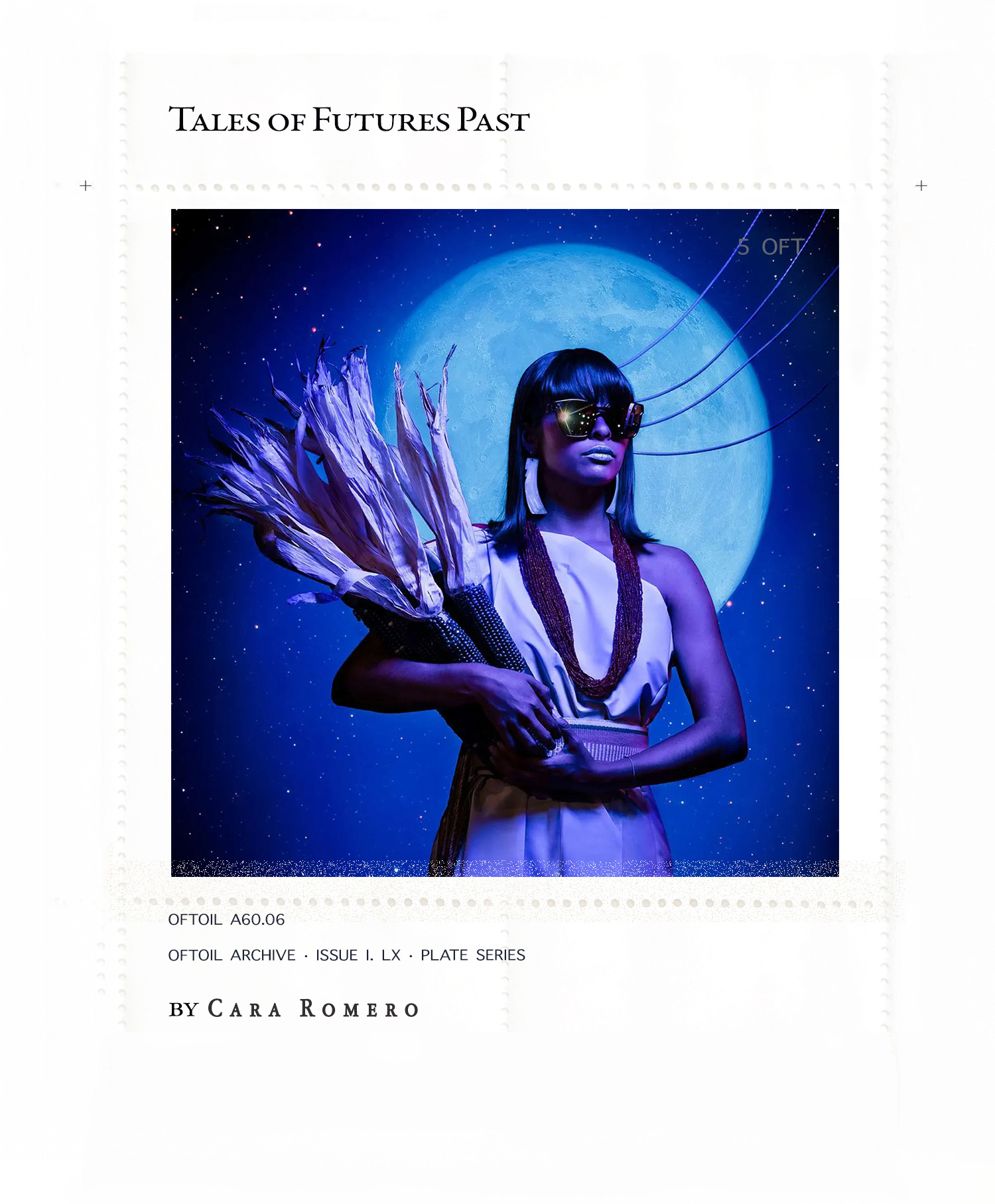
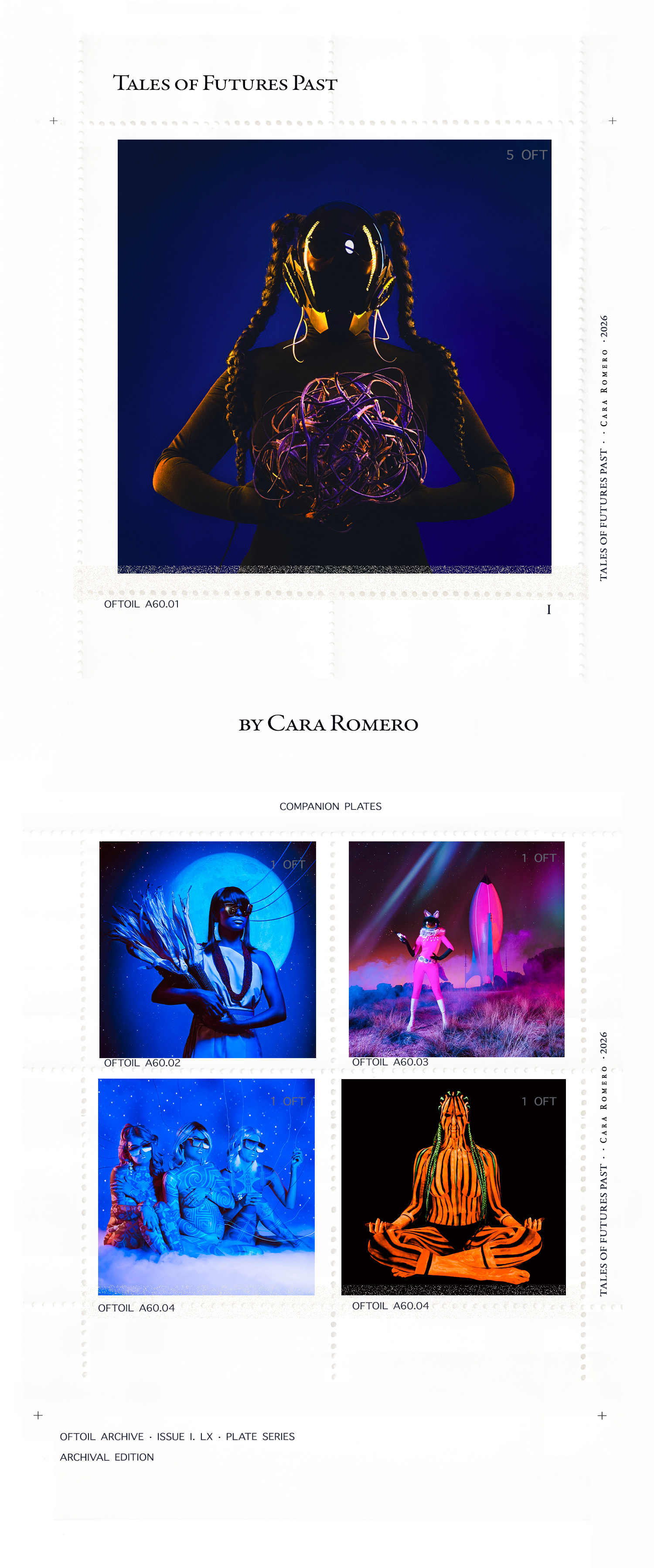
Cara and Diego Romero: Tales of Futures Past includes the work of photographer Cara Romero (Chemehuevi) and potter Diego Romero (Cochiti Pueblo). Focusing on the artistic dialogue between these two leading artists, the exhibition explores themes concerning the complexities and the evolutionary nature of Indigenous identity. While they are husband and wife and maintain individual studio practices, their work shares a broader visual dialog. They fuse elements of popular culture, ancestral traditions, and the supernatural to portray protagonists powered by their Indigeneity as they, and the world, continue to change.
Through their visionary works, the Romeros strive to establish agency through storytelling, and to address the past, the present, and the future of Indigenous lifeways.
Tales of Futures Past dissolves the familiar boundaries between history and speculation. Romero embraces the language of Indigenous Futurism not to escape reality, but to recover temporalities disrupted by colonial narratives. In these photographs, ancestral knowledge and contemporary experience exist simultaneously, allowing memory and imagination to inhabit the same frame without contradiction.
Rather than projecting Indigenous identity into an imagined future, the series reveals that futurity has always existed within Indigenous ways of knowing. Portraiture becomes a vehicle through which science fiction, ceremony, humour, and cultural inheritance converge, creating images that feel both timeless and unmistakably contemporary. The future here is not invented—it is remembered.
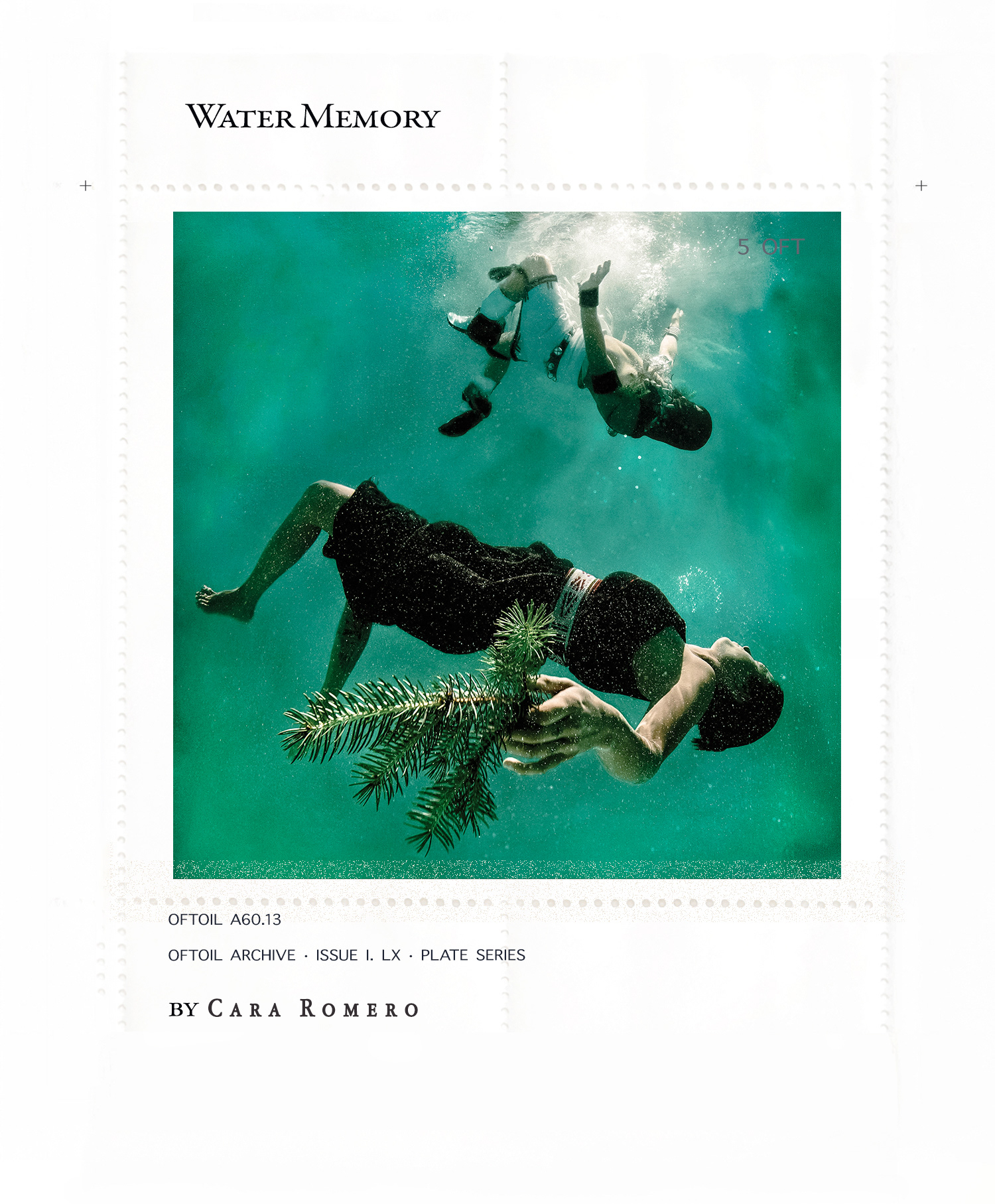
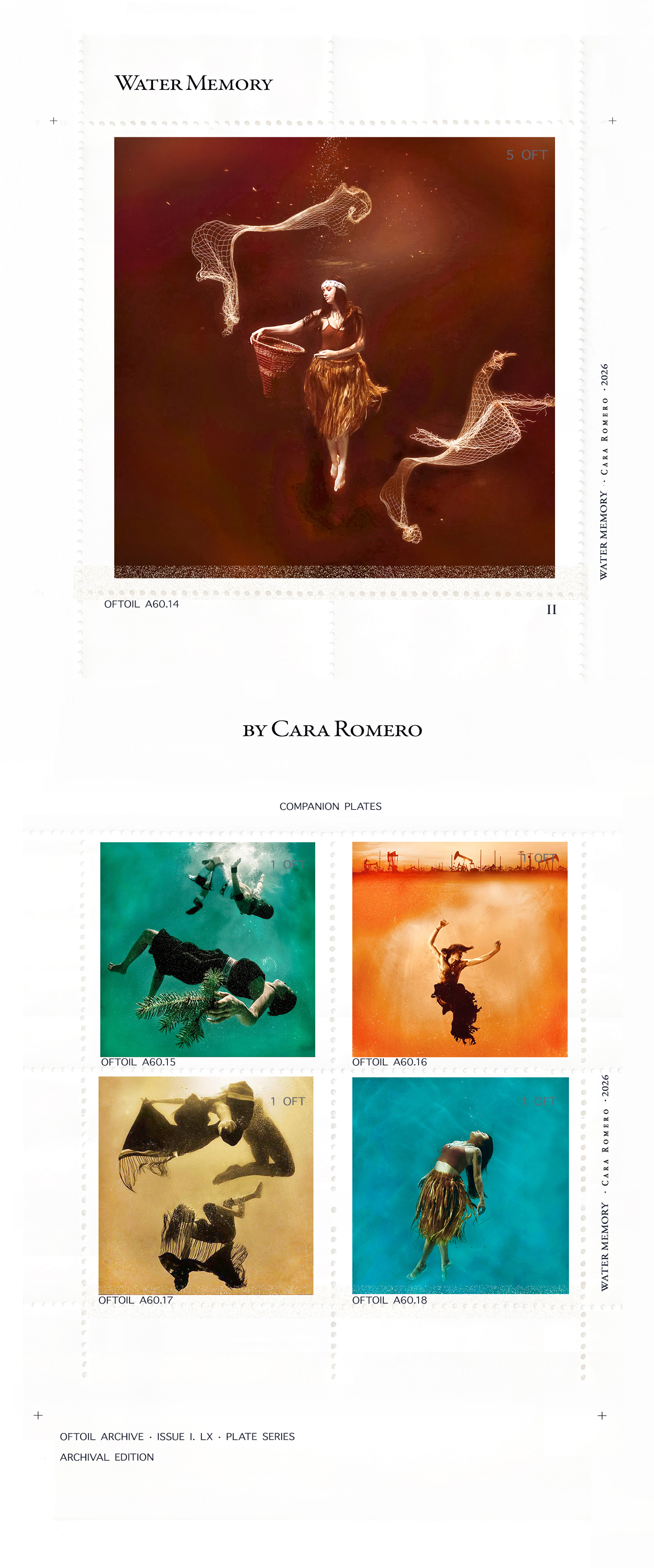
Water appears throughout Romero’s practice as both landscape and witness. Drawing upon the flooding of Chemehuevi ancestral lands following the creation of Lake Havasu, Water Memory reflects on submerged histories that remain profoundly present despite their physical disappearance. The landscape remembers, even when maps no longer do.
These photographs move beyond environmental commentary toward something more intimate. Water becomes a living archive, carrying ancestral presence across generations while embodying both loss and renewal. The series reminds us that memory resides not only in monuments and documents, but within rivers, lakes, deserts, and the enduring relationships between people and place.
Jackrabbit, Cottontail & Spirits of the Desert
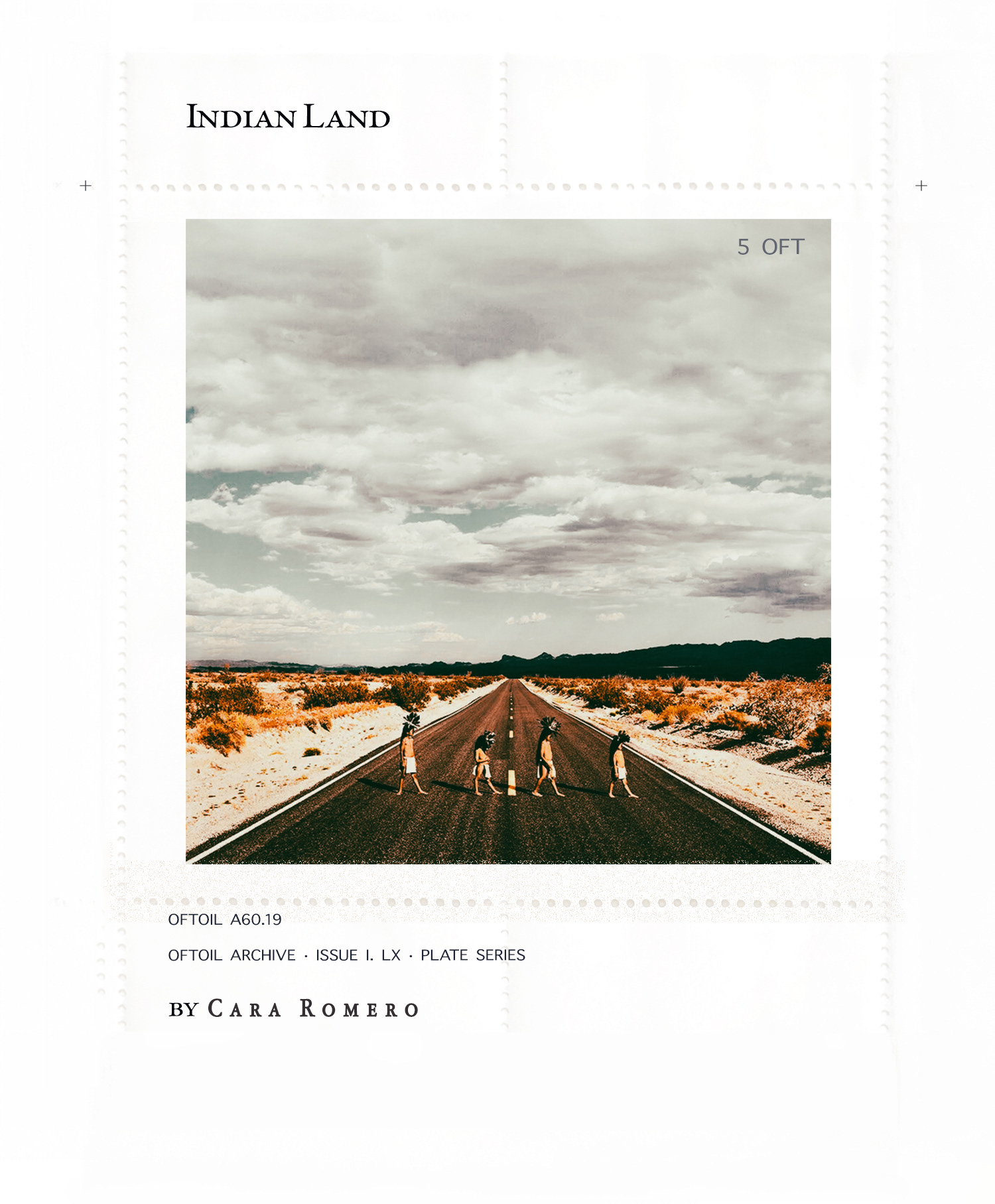
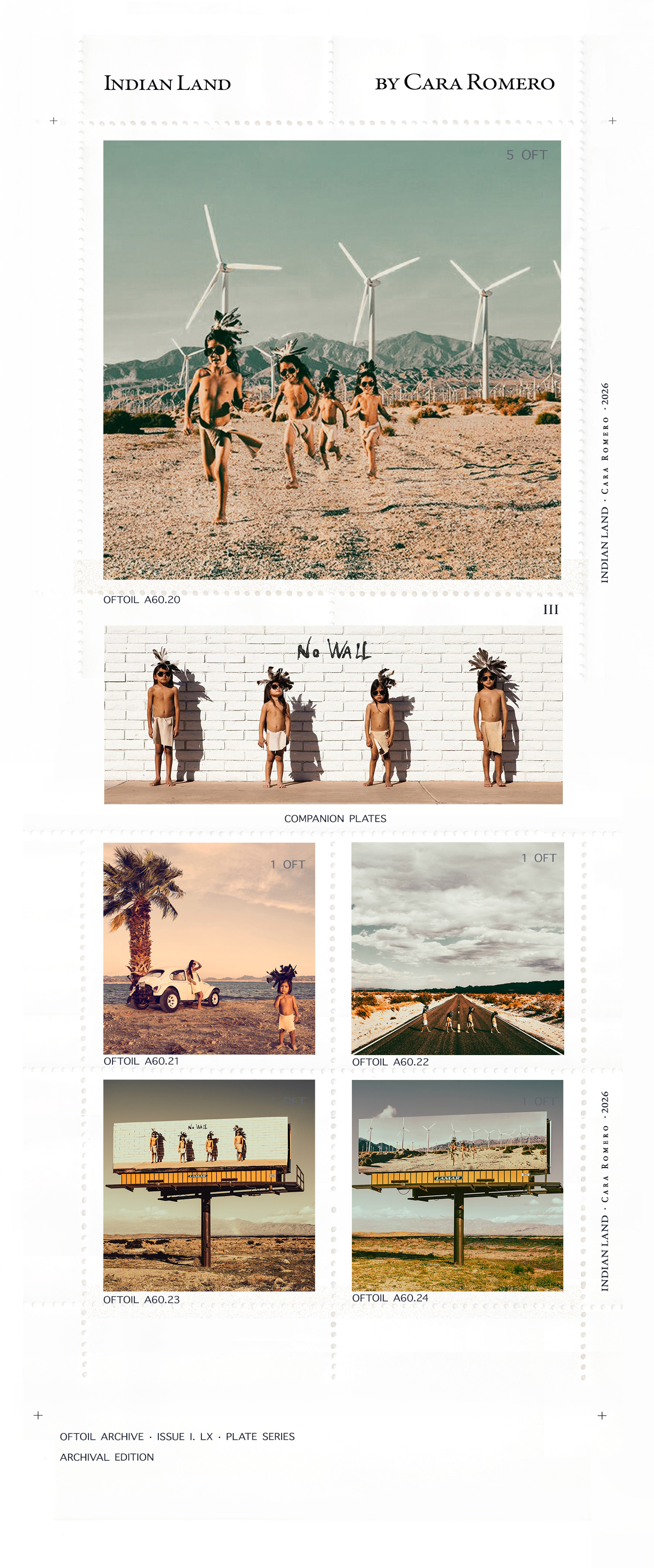
Cara Romero’s new photo-graphic series, Jackrabbit, Cottontail & Spirits of the Desert, responds to the ancestral lands of the Cahuilla, Chemehuevi, Serrano, and Mojave people. These images feature four special time-traveling visitors from Chemehuevi who have come to the ancestral lands of their sister tribes in the Coachella Valley. In Romero’s vision, these small but mighty figures have returned to remind us of our deep connections to the land, the stories contained within it, and how we can live in relation to it. In terms of geological and ancient social history, Palm Springs is a new city located in the ancestral lands of the Cahuillas with a rich history that predates colonization. The images in Jackrabbit, Cottontail & Spirits of the Desert are manifestations of a oral tradition, bringing visibility to the individuals, cultures, and history that continue to inform this landscape, whether or not they have been privileged in the long arc of our collective story.
Landscape is never neutral. In Indian Land, Romero reclaims the visual language of the American West by returning Indigenous presence to territories where it has too often been rendered invisible. Monumental desert vistas become stages upon which historical narratives are quietly but decisively rewritten.
Rather than confronting history through spectacle, the series employs clarity and restraint. Familiar symbols are repositioned, inherited assumptions gently unsettled, and the desert itself emerges as an active participant in the work. The result is less an argument than a restoration: a reminder that every landscape contains stories far older than those most commonly told.
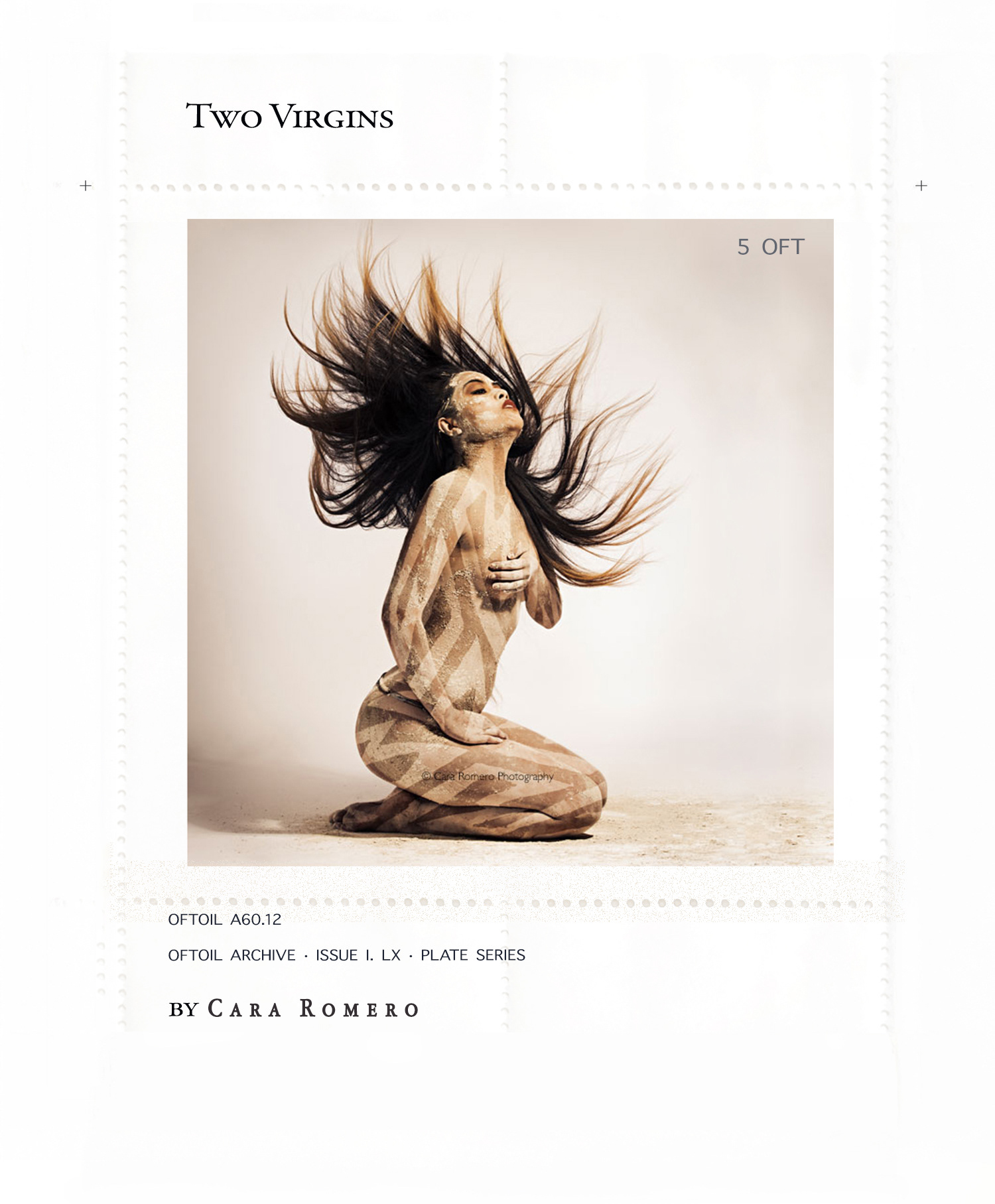
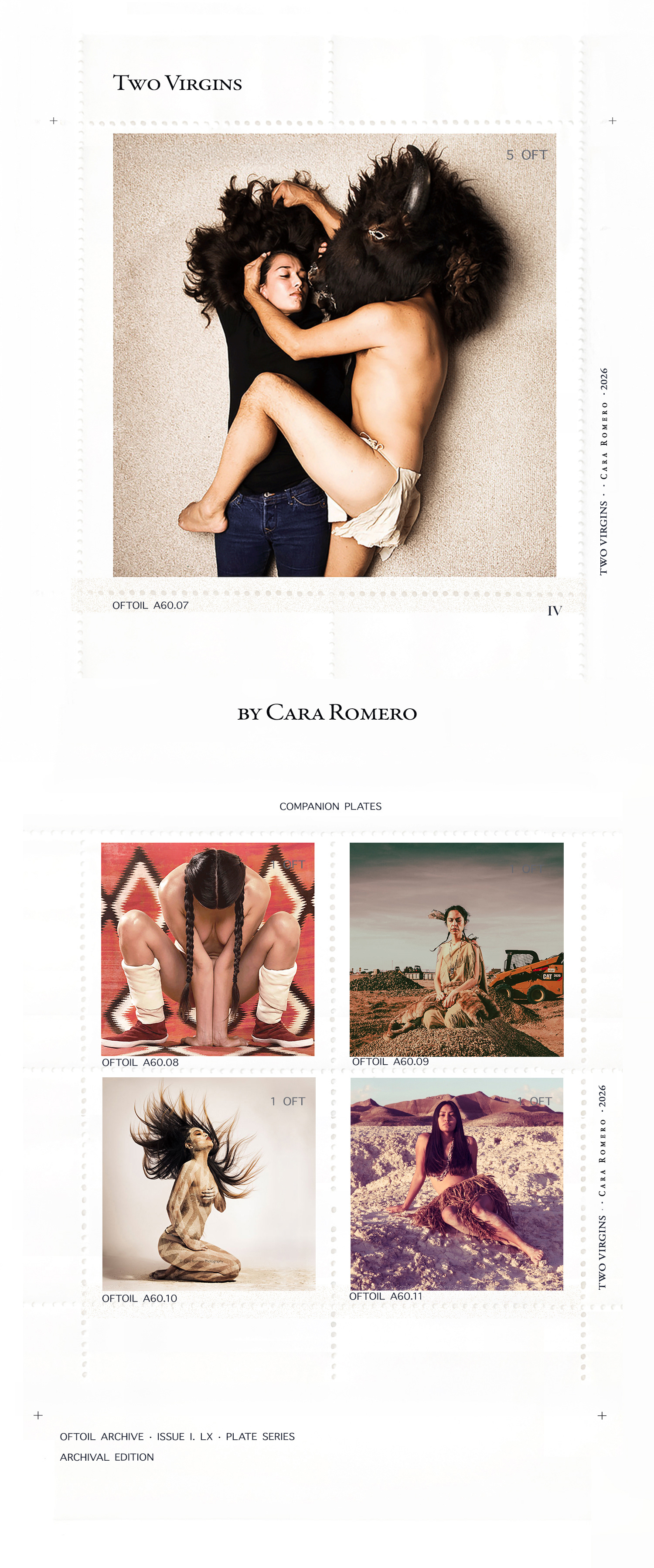
Throughout Romero’s work, femininity resists simplification. Two Virgins explores womanhood not through archetype or idealisation, but through relationships between vulnerability, strength, kinship, and transformation. Figures appear suspended between earthly presence and symbolic resonance, inviting contemplation rather than interpretation.
These photographs demonstrate Romero’s remarkable ability to balance intimacy with monumentality. Personal narratives become universal without losing specificity, while carefully orchestrated compositions preserve the individuality of each subject. Portraiture becomes an act of affirmation—of identity, of community, and of enduring cultural continuity.
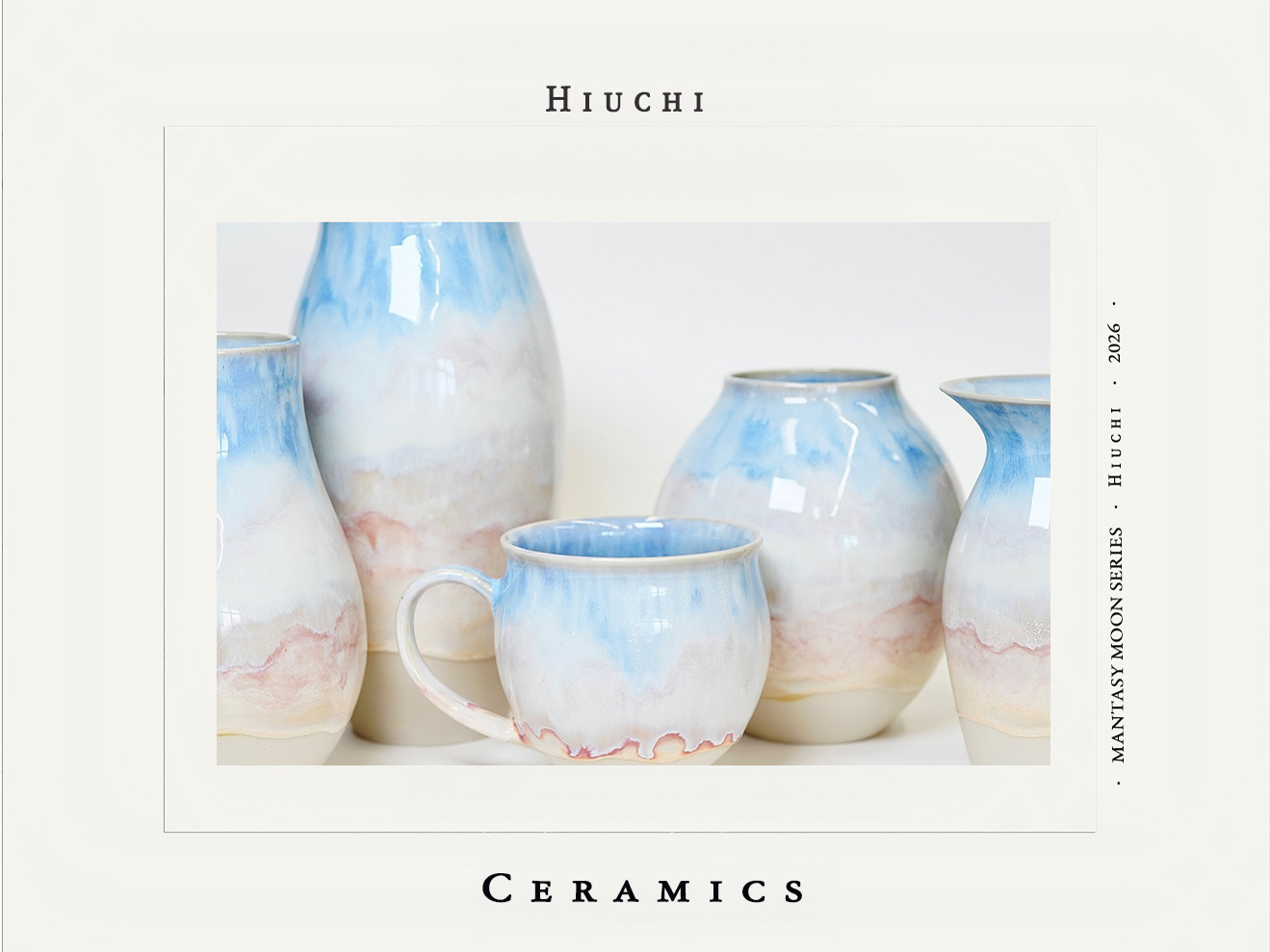
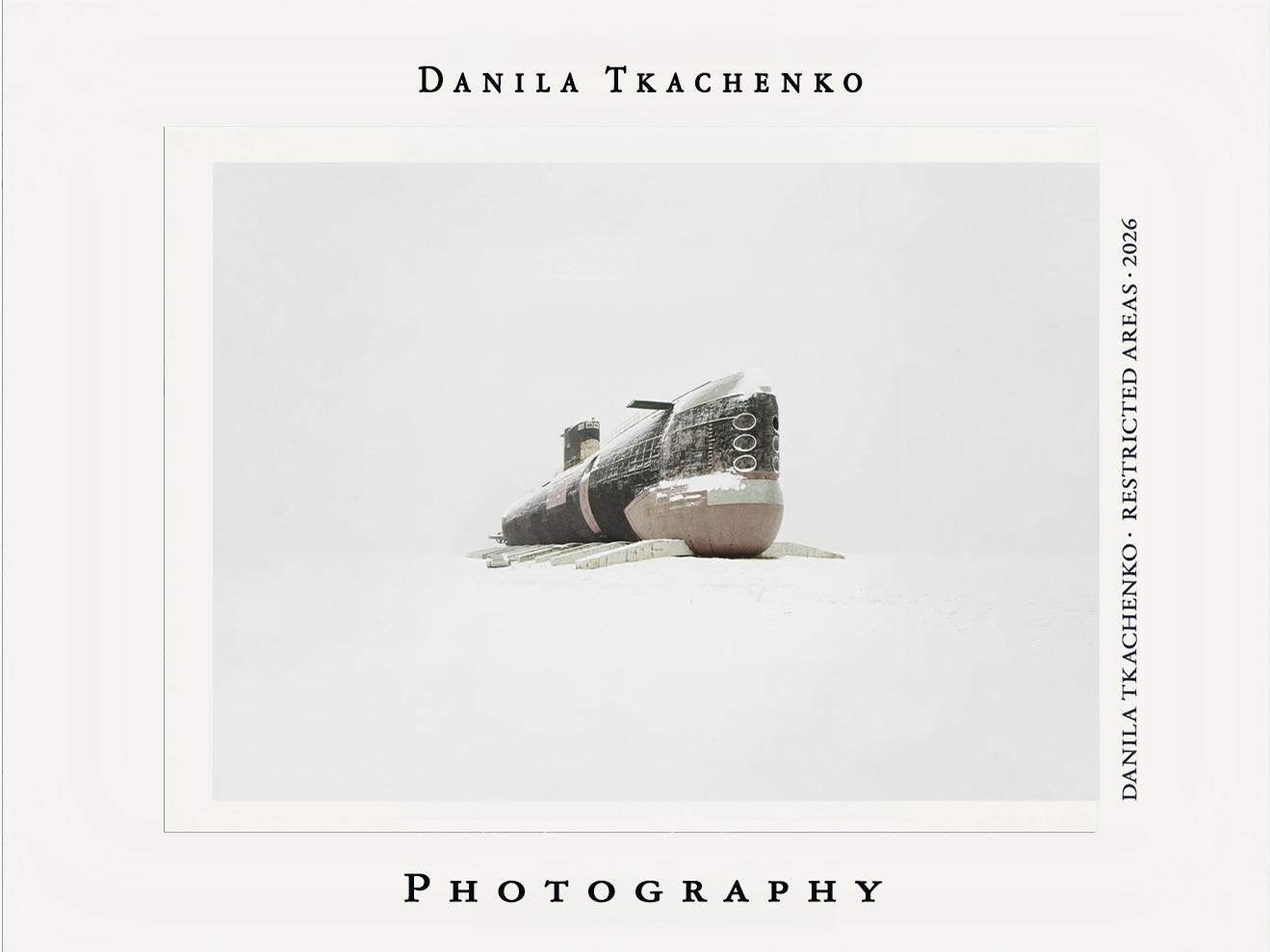
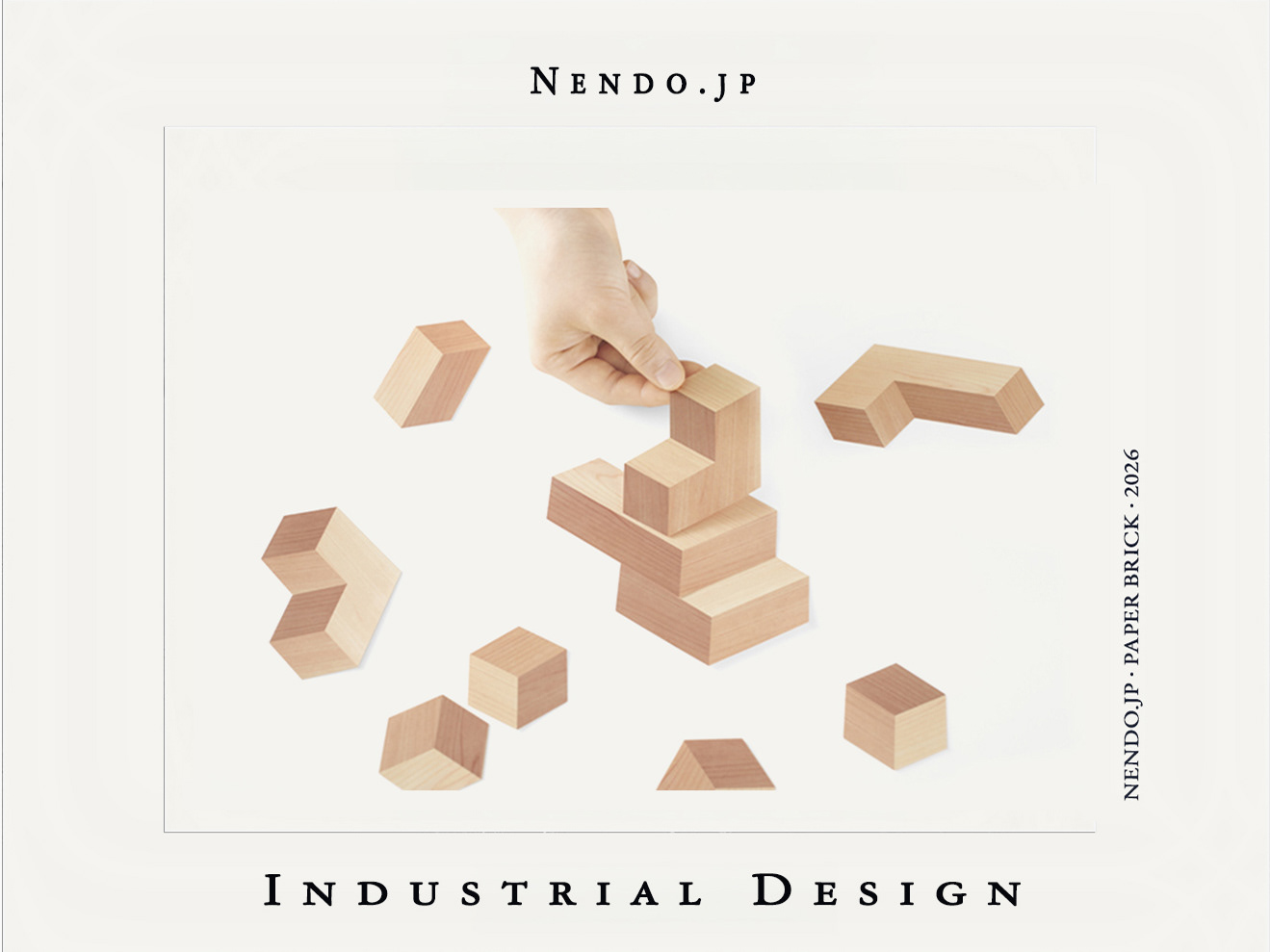
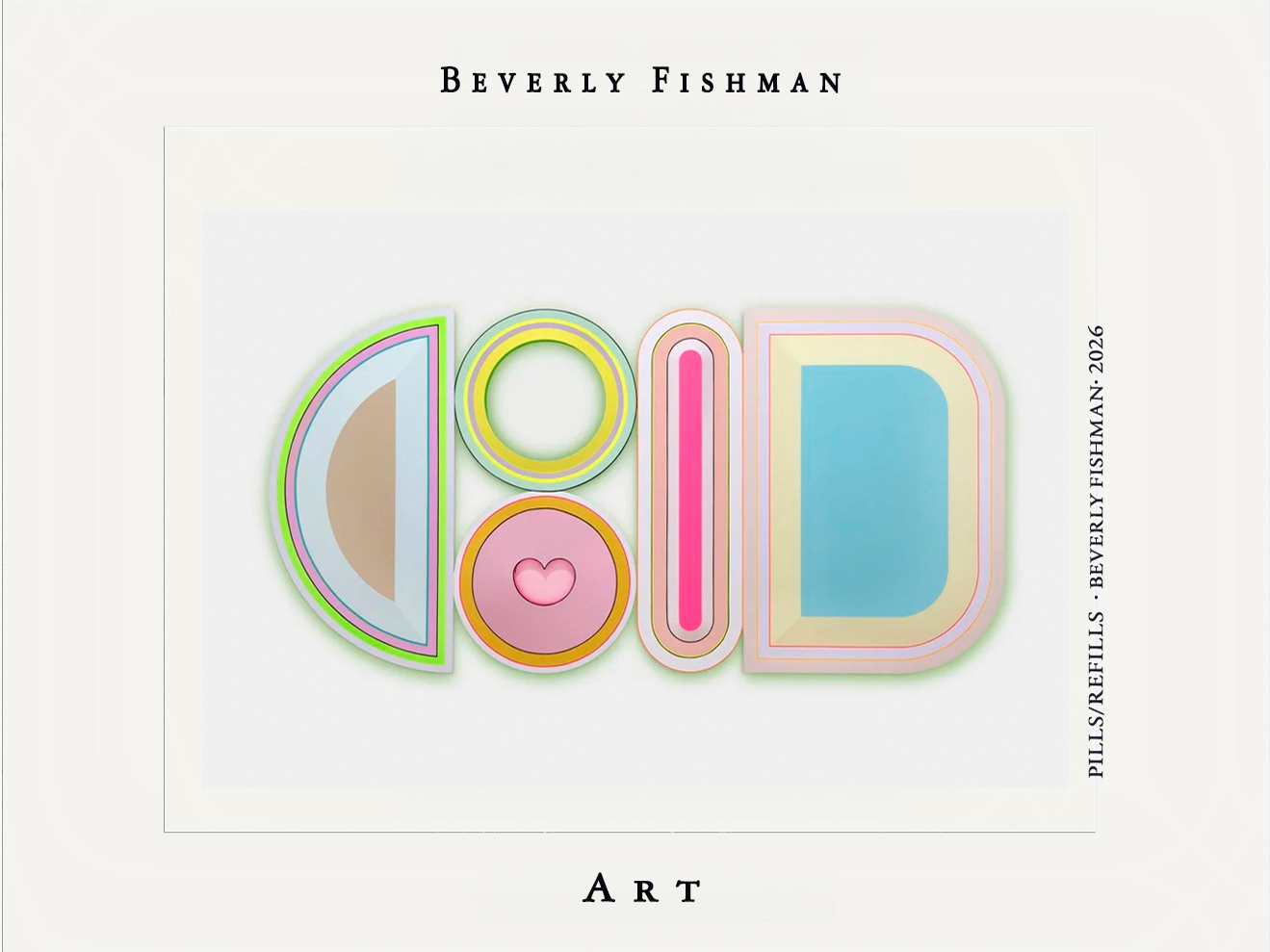
Issue I began in New York through the eye of a Jewish photographer documenting the modern city, and concludes in the Mojave Desert through the vision of a Chemehuevi photographer reclaiming Indigenous presence upon ancestral land. Between these two horizons unfolds a remarkably international archive: Japanese industrial designers, Korean and Ukrainian artists, Dutch architects, Polish illustrators, Italian makers, Scandinavian photographers, British fashion, American land artists, and creators from across Europe, Asia and the Americas. The archive was never assembled to satisfy geography or chronology, but to preserve enduring works that transcend both. Its diversity is therefore not editorial policy, but the natural consequence of following excellence wherever it resides.
The OfToil Archive began in New York through the lens of Jay Maisel, whose lifelong practice revealed the extraordinary hidden within the rhythms of everyday urban life. It concludes in the ancestral landscapes of the Mojave Desert through the vision of Cara Romero, whose photographs restore Indigenous presence to places where history has too often looked away. Between these two horizons unfolds an international constellation of architects, designers, photographers, artists, filmmakers, choreographers, ceramicists, and makers whose works transcend geography while remaining deeply rooted in place.
Across sixty Archives, no single movement, nation, or discipline has been privileged. Japanese industrial design, Dutch architecture, Ukrainian jewellery, Polish illustration, Scandinavian photography, Italian craftsmanship, British fashion, American land art, Indigenous visual culture, and countless other traditions meet not through chronology, but through a shared commitment to enduring creative thought. Diversity here is not an editorial objective; it is the natural consequence of following excellence wherever it resides.
Every archive is an act of selection. Every selection carries the hope that something worthy of remembrance might outlast the moment in which it was made. These pages were assembled in that spirit—not to catalogue everything, but to preserve what continues to speak with clarity across disciplines, cultures, and generations.
Issue I is therefore offered not as a conclusion, but as a beginning: the first volume of a living archive dedicated to works that continue to reward attention, long after novelty has passed.
Words & images courtesy of respective owners and Cara Romero