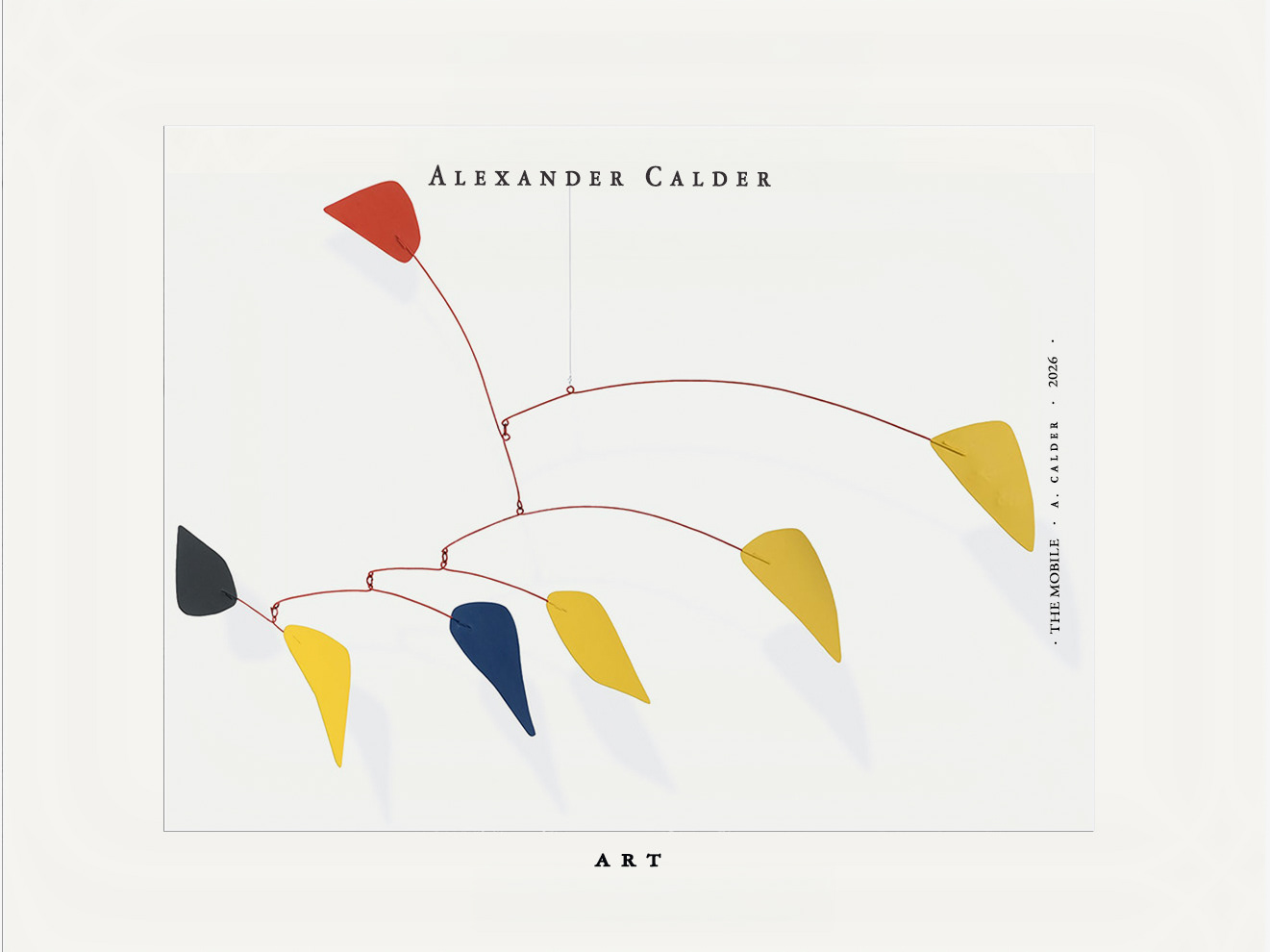
“I’m interested in how desire is engineered..”
— Beverly Fishman
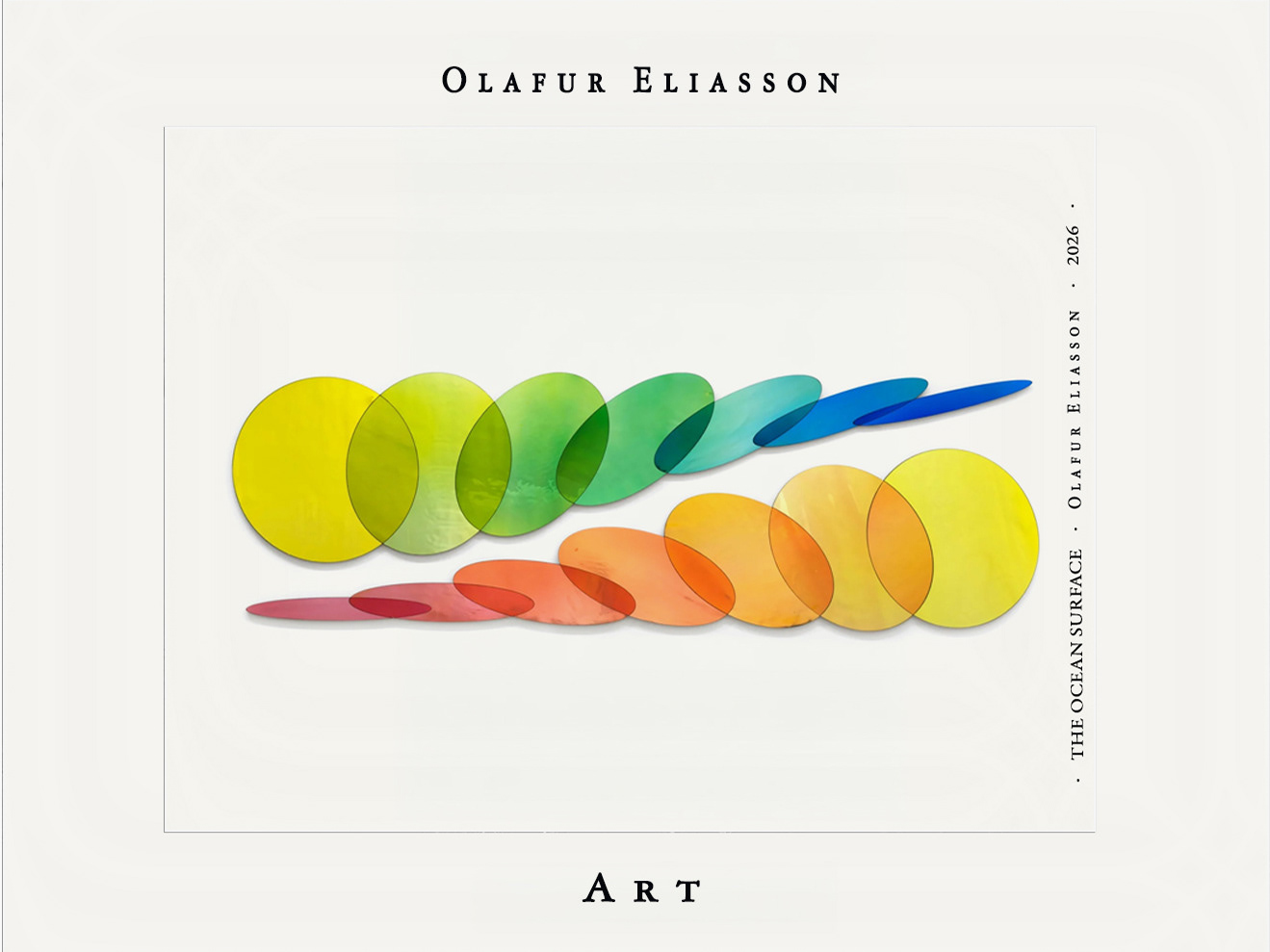
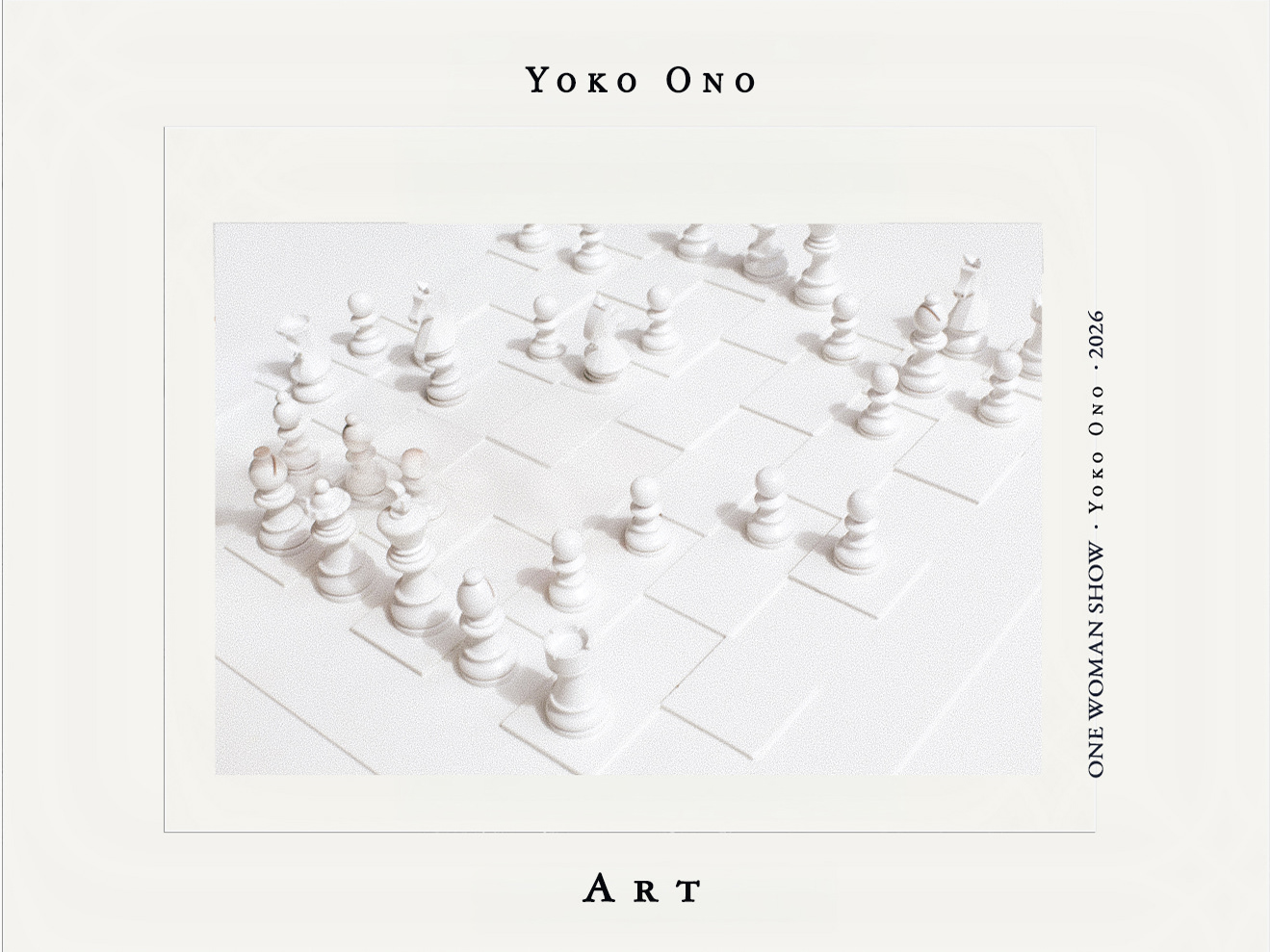
Form becomes pharmacology. Color, dosage. Geometry, a system for feeling—regulated, repeated, calibrated until emotion appears measurable. Fishman builds a language where the clinical meets the intimate, where the body is addressed through abstraction rather than depiction.
These works borrow the authority of design—clean edges, luminous surfaces, serial logic—and redirect it toward states we cannot easily name. Relief replaces illusion; objects hold their presence like prescriptions: precise, coded, quietly persuasive.
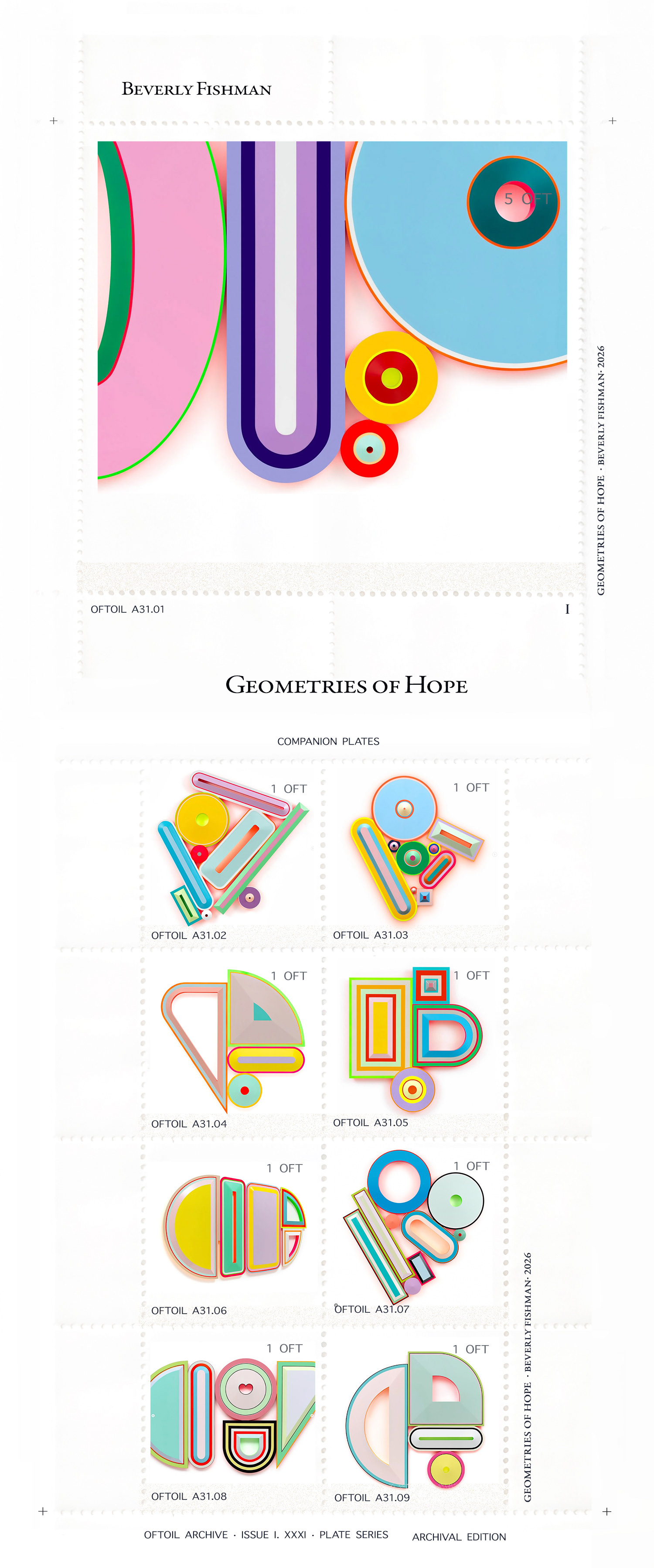
Circles, capsules, segments—units arranged with deliberate optimism. The compositions suggest order without promising cure, balance without denying fragility.
Hope here is constructed. It is assembled piece by piece, each form a small assertion against uncertainty, each color a controlled release of brightness.
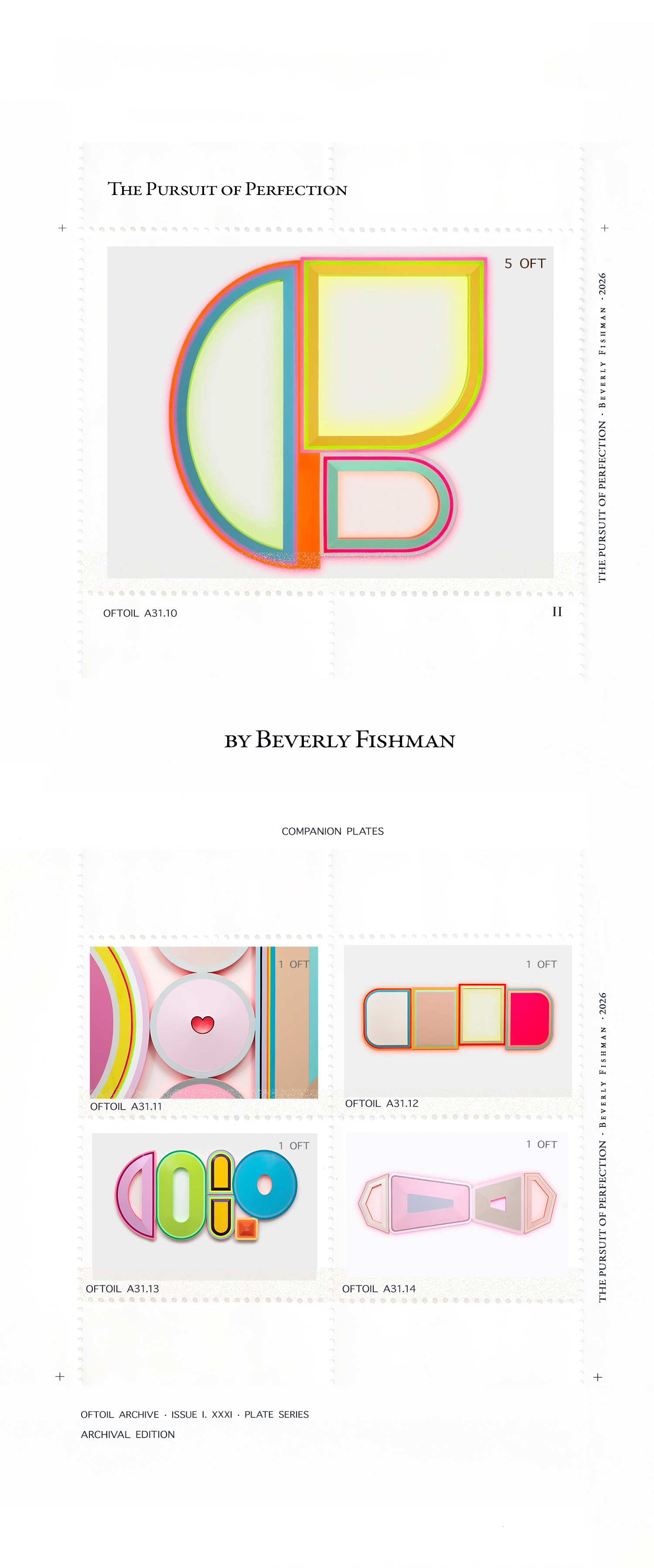
Edges tighten, align, refine. Perfection is approached asymptotically—never reached, always pursued through iteration and adjustment.
The surface seduces with clarity, yet beneath it lies tension: the pressure to resolve, to correct, to optimize. Beauty emerges from this discipline, but never escapes it.
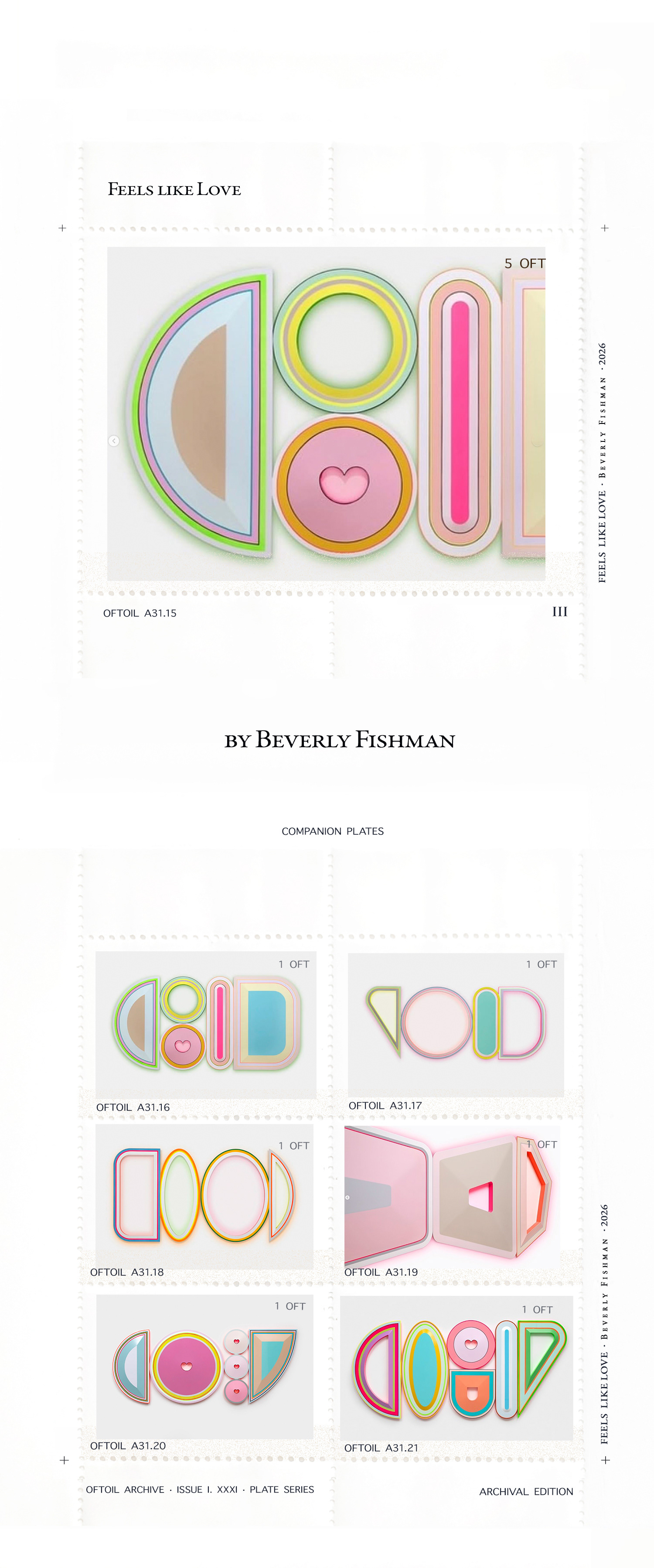
Soft palettes, rounded forms, a suggestion of touch. Affection translated into modules—repeatable, shareable, almost standardized.
Love becomes both symbol and system. It circulates through shapes that echo the body while remaining resolutely constructed—feeling, held within design.
Fishman’s work positions abstraction as a site of care and control. It asks what it means to treat emotion as something engineered—administered through color, regulated through form. In this terrain, art does not resolve the human condition; it diagrams it, offering structures through which we might recognize, if not remedy, our need to feel.
Images and words courtesy of