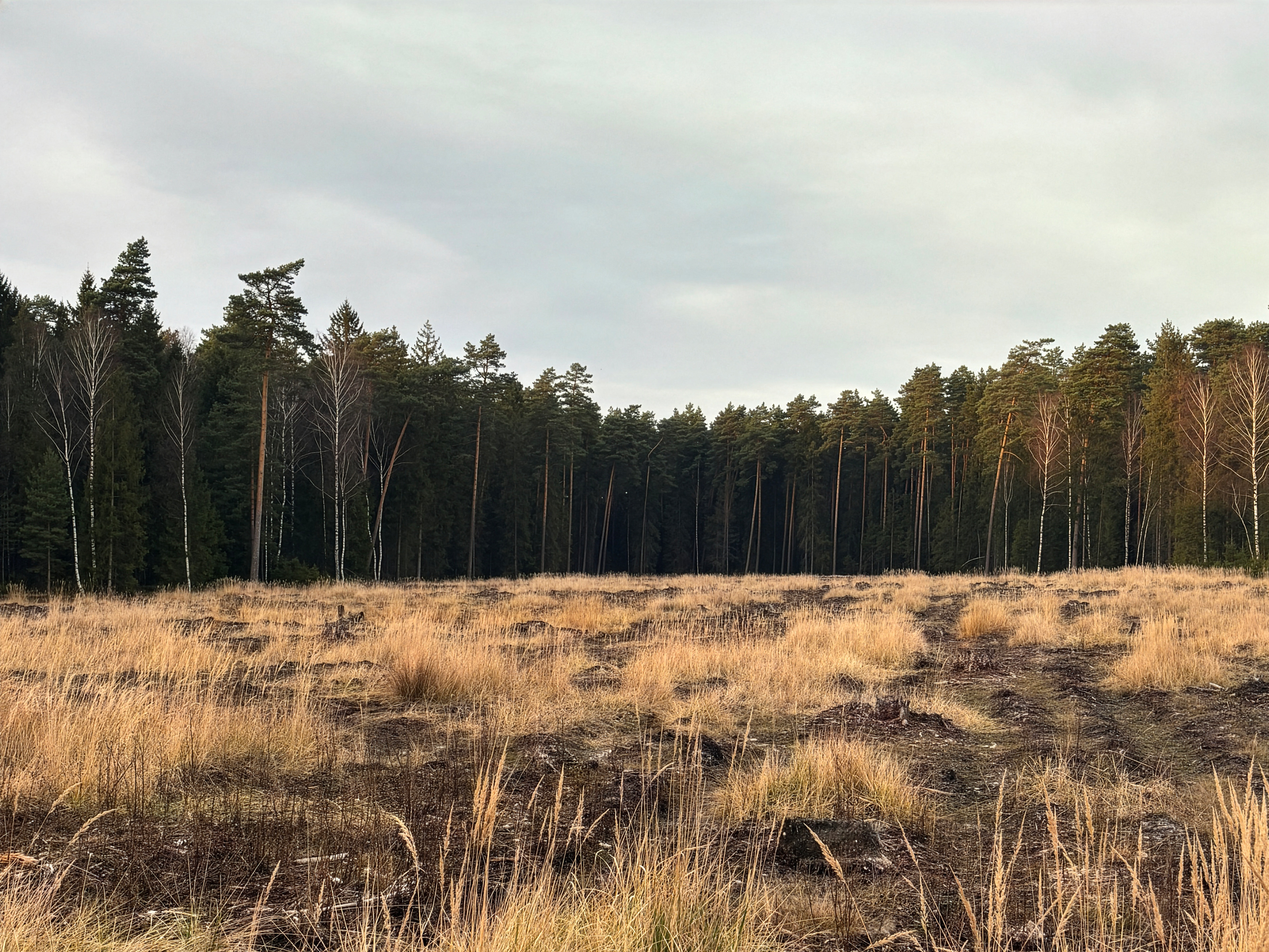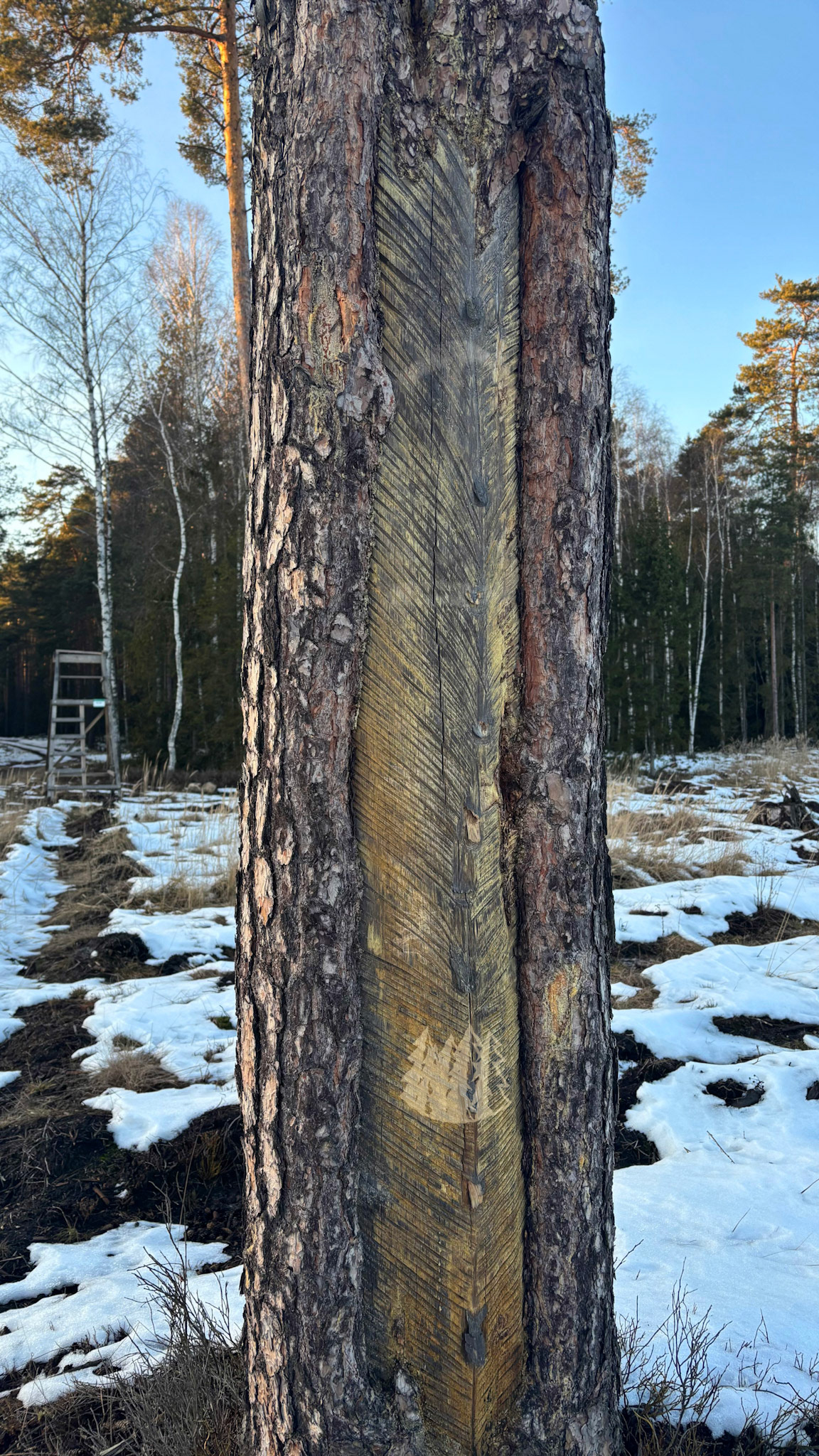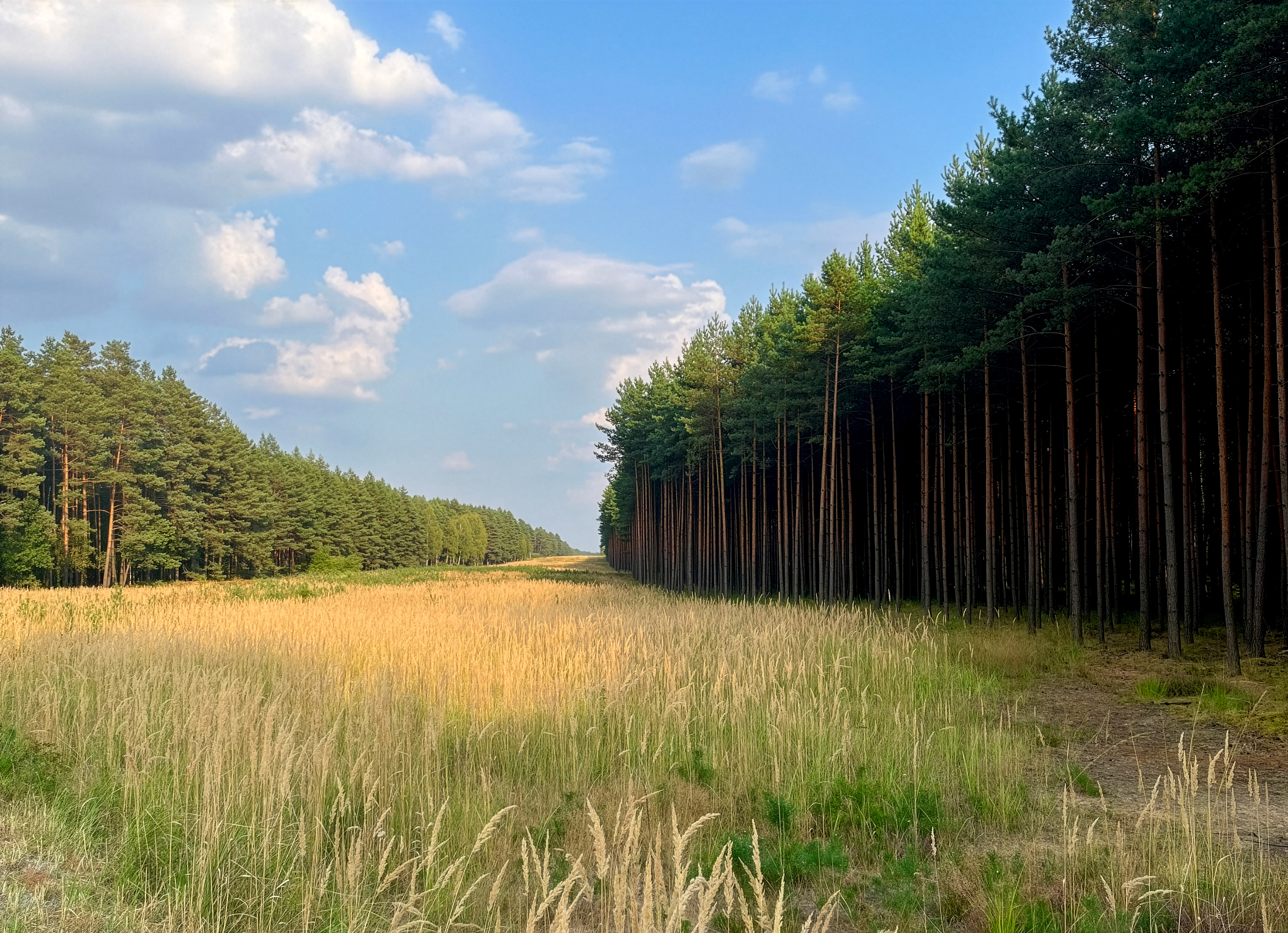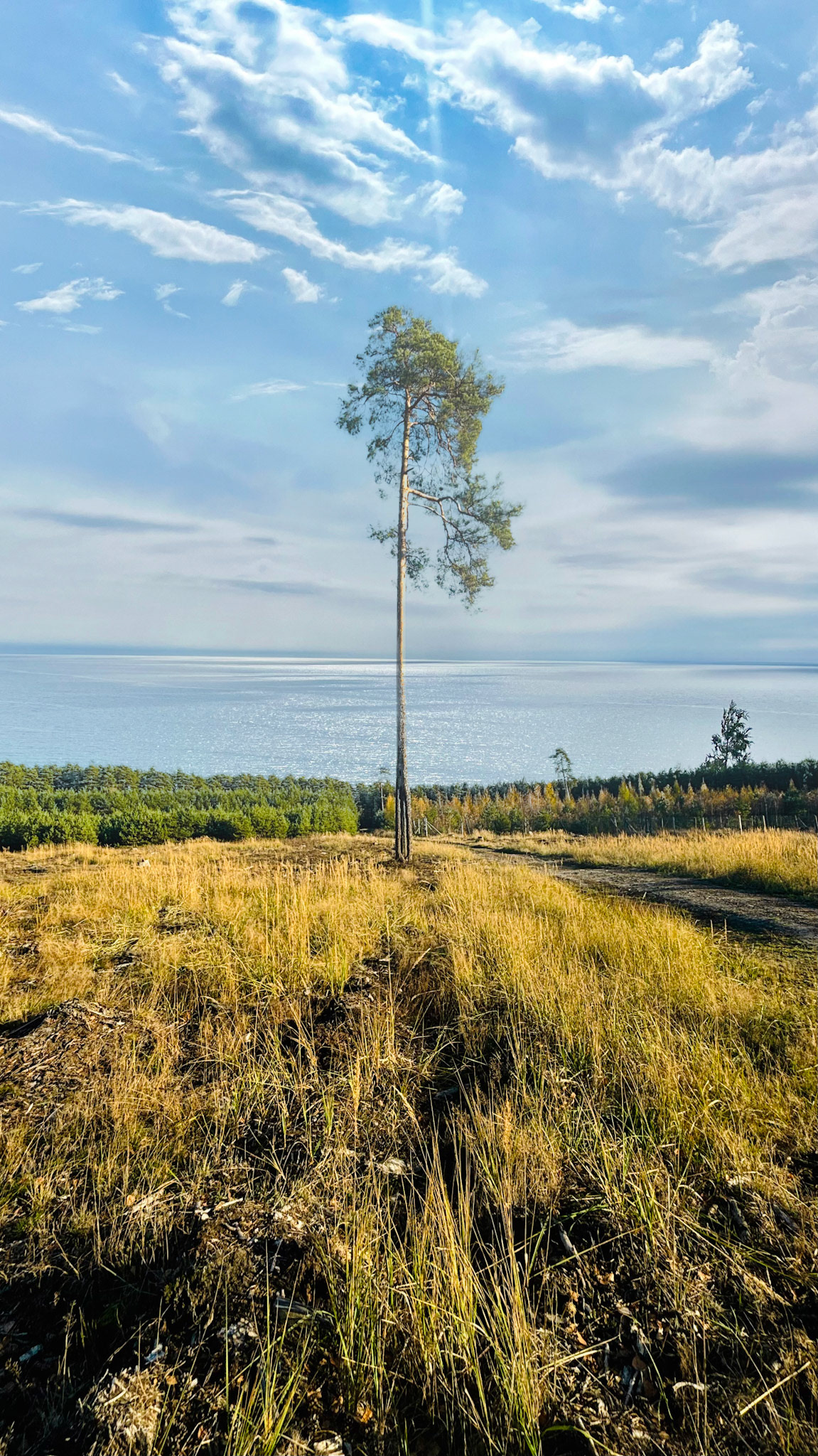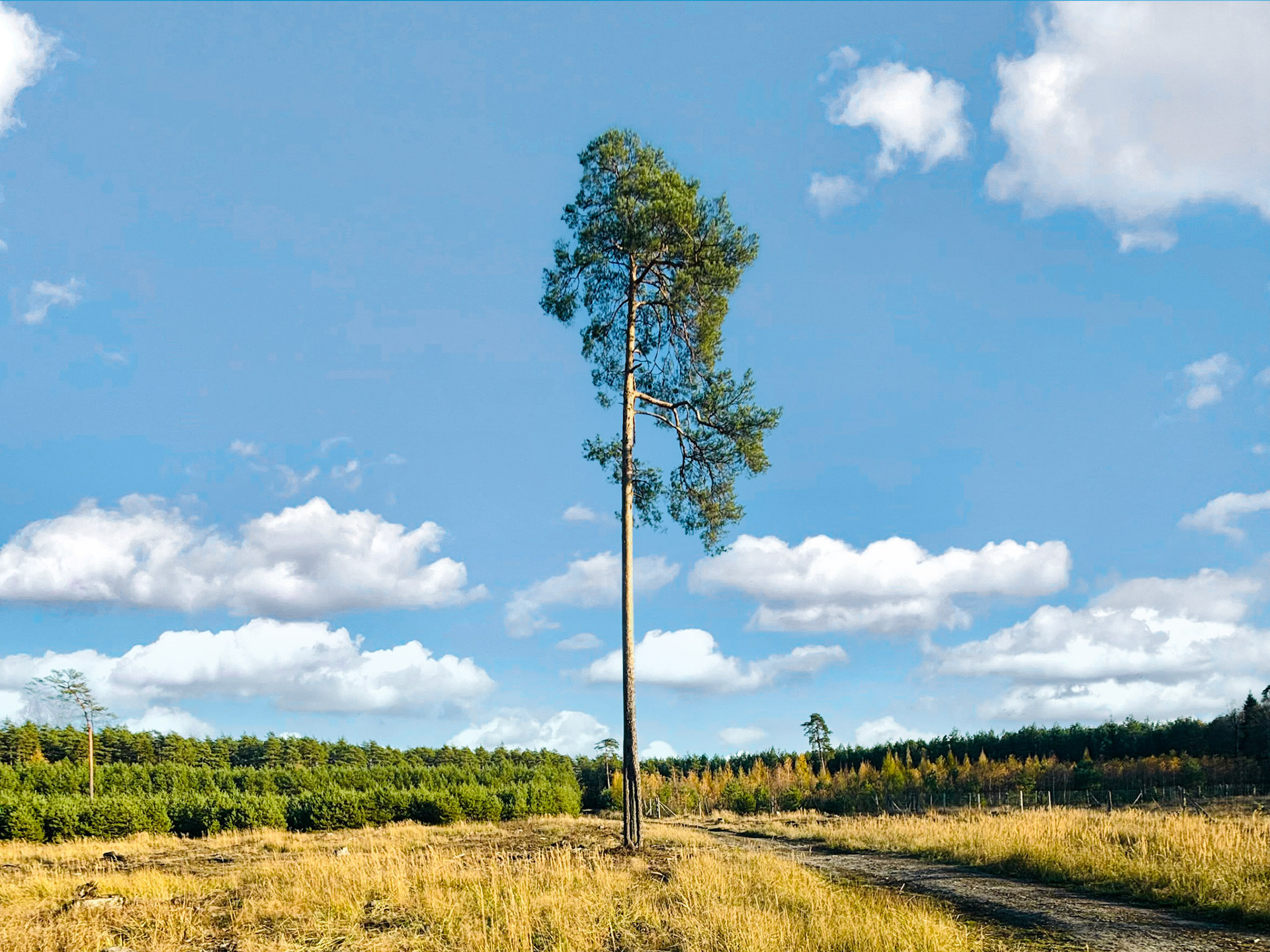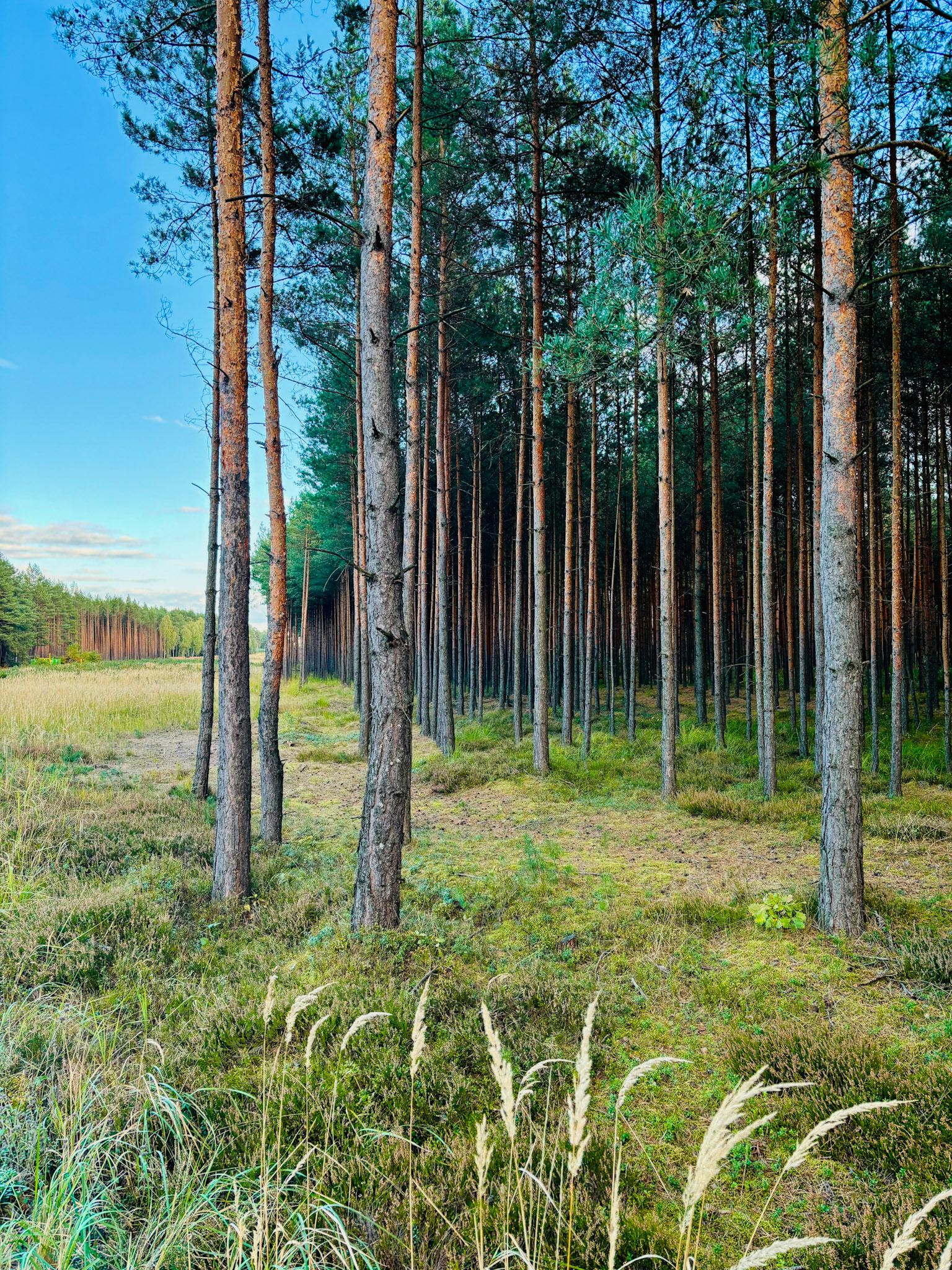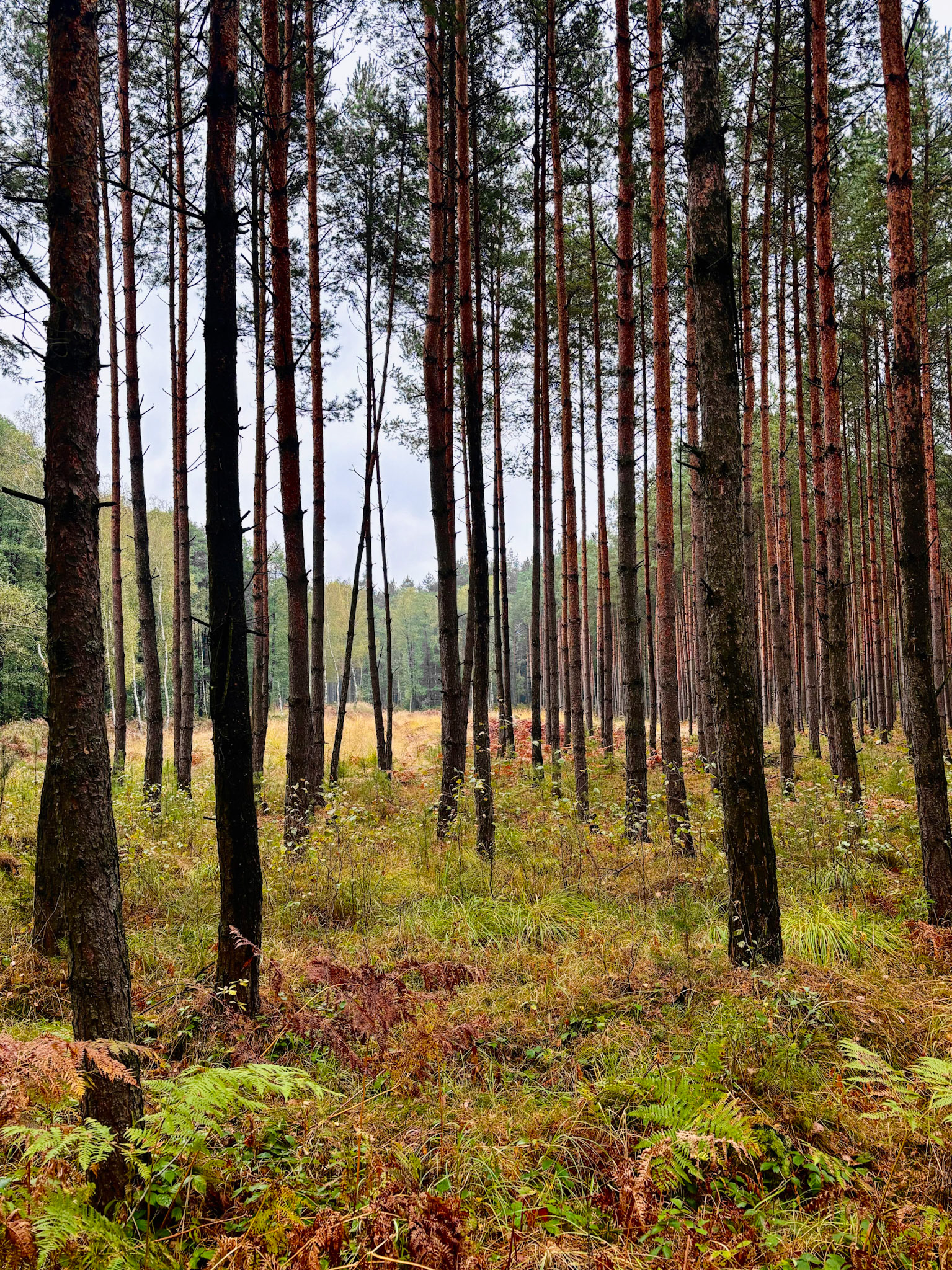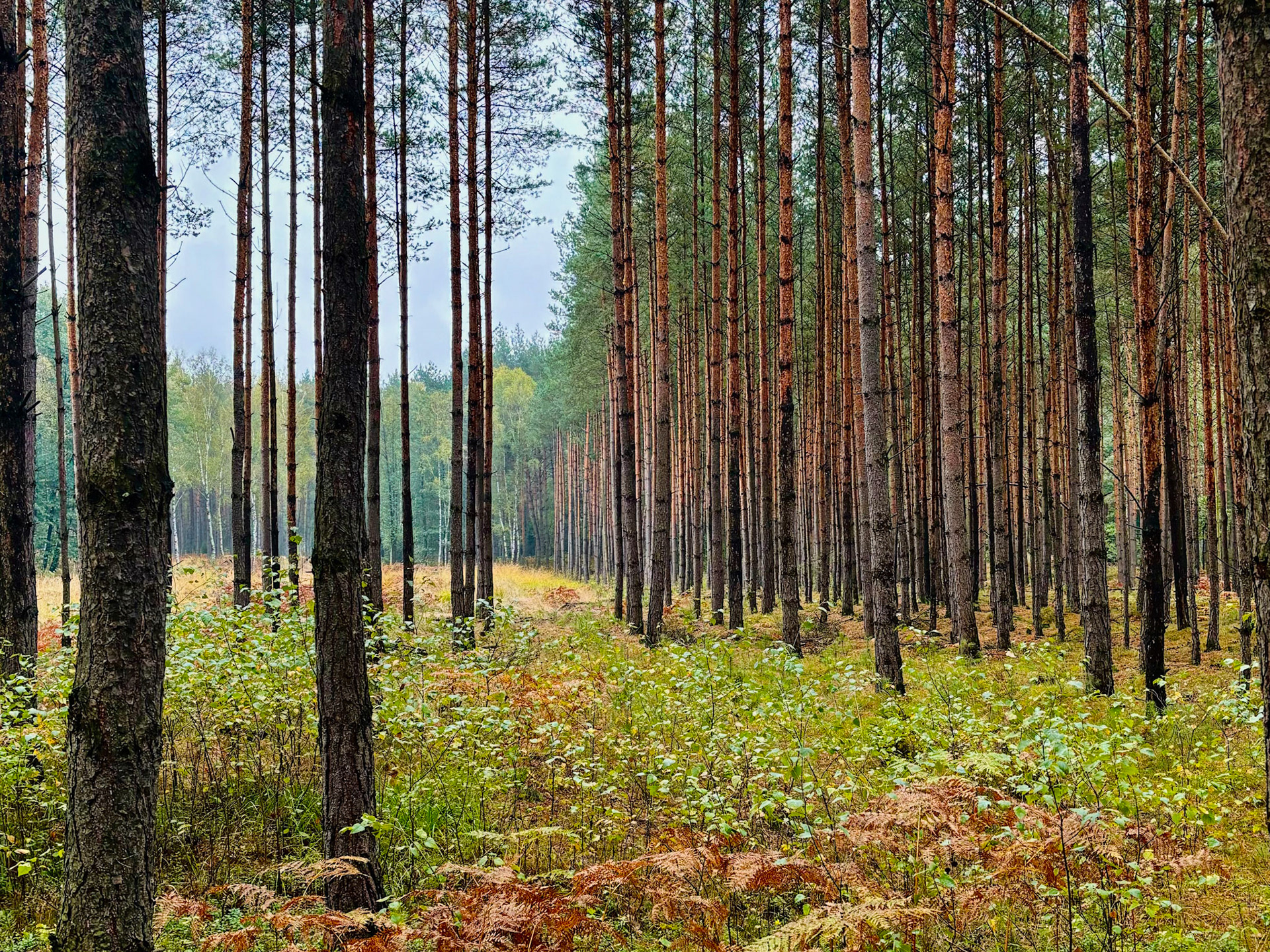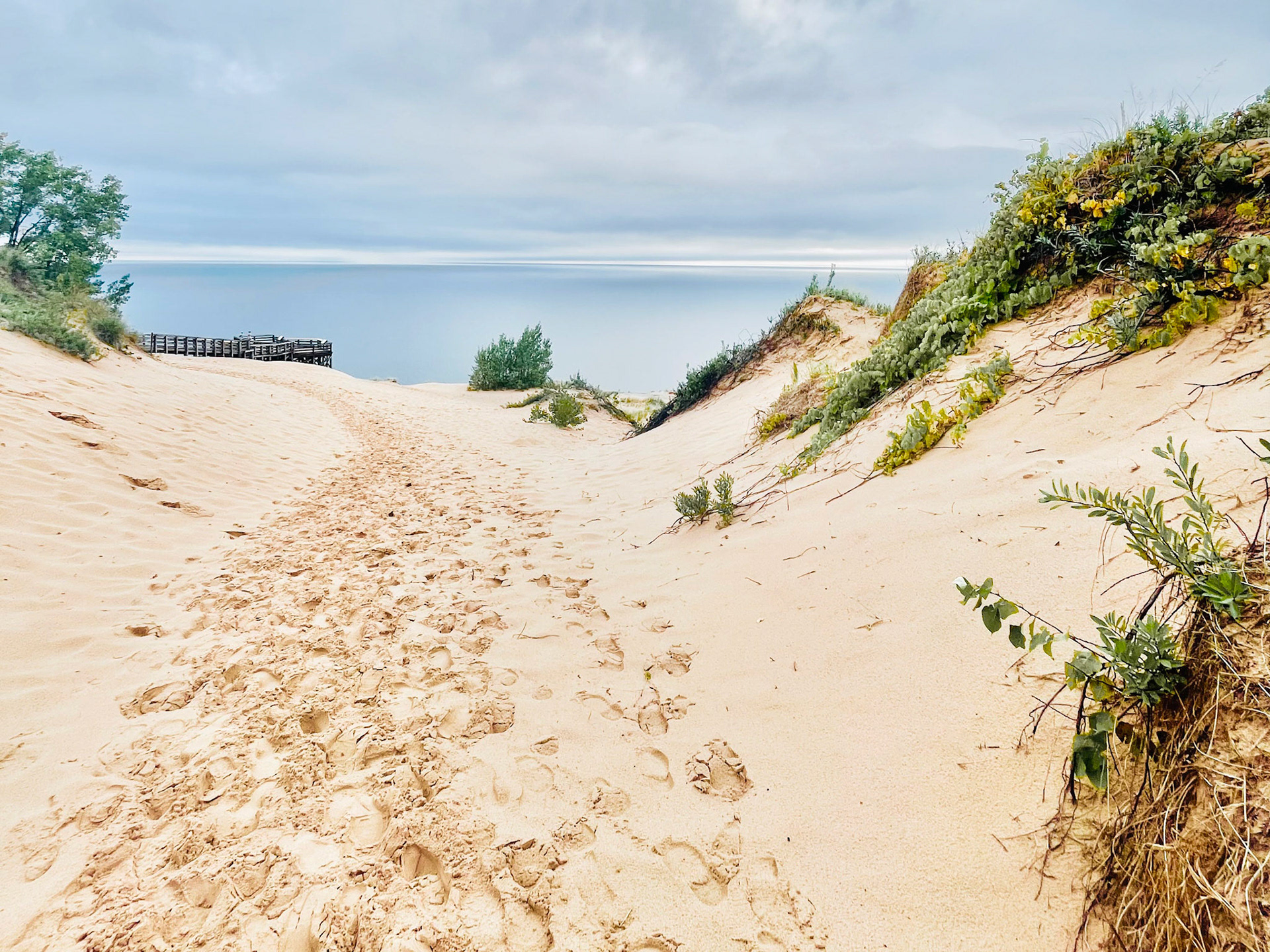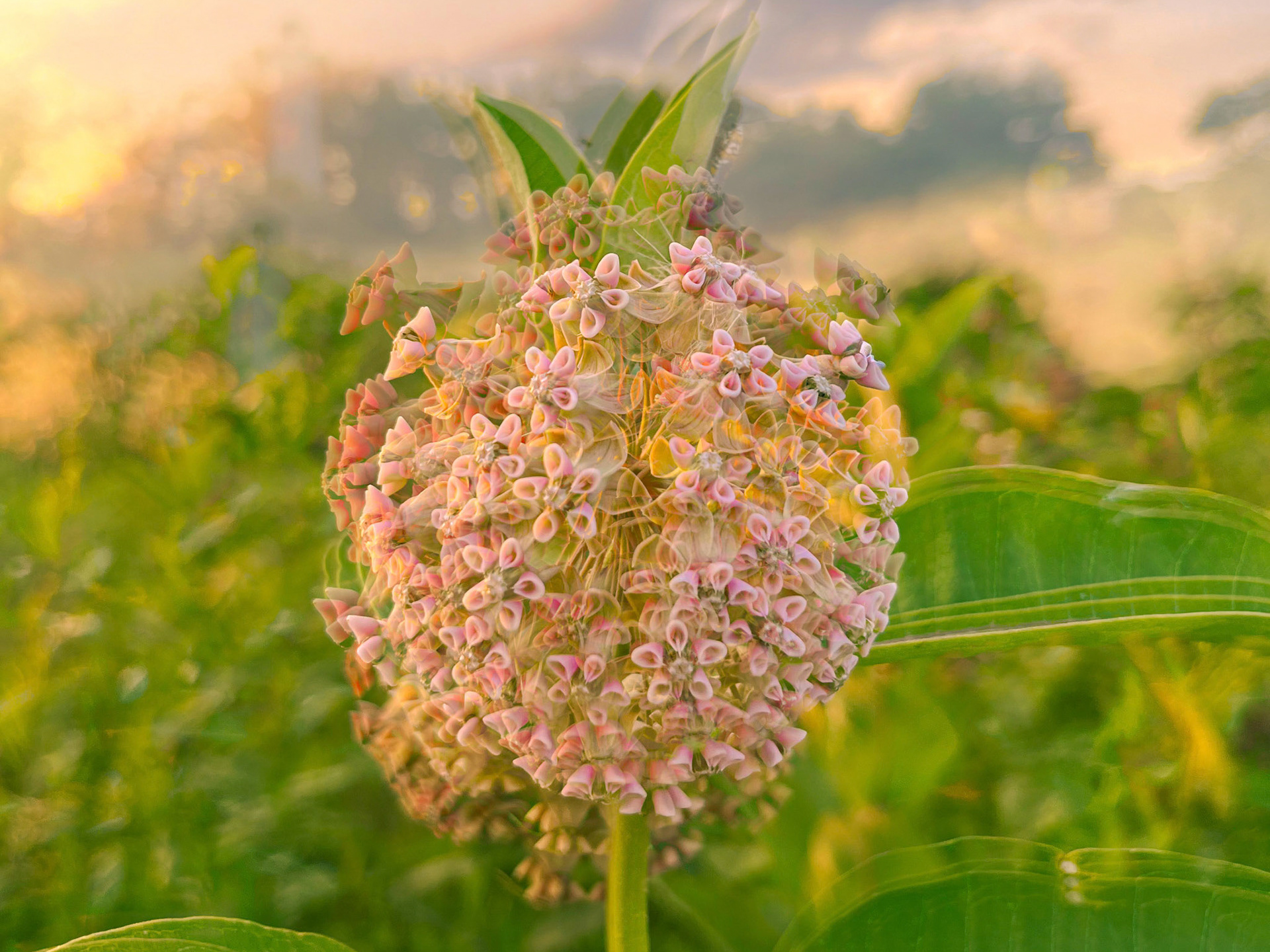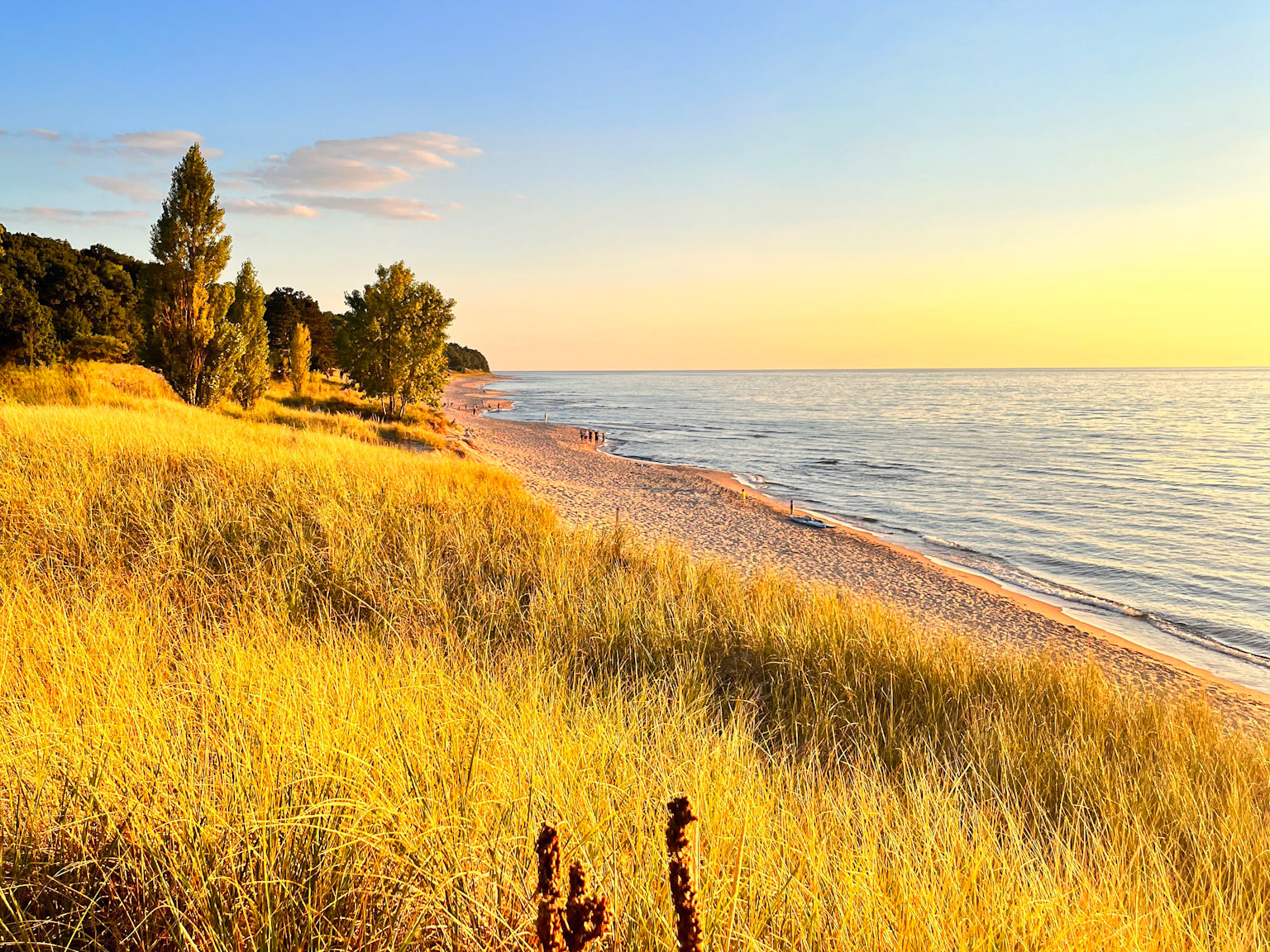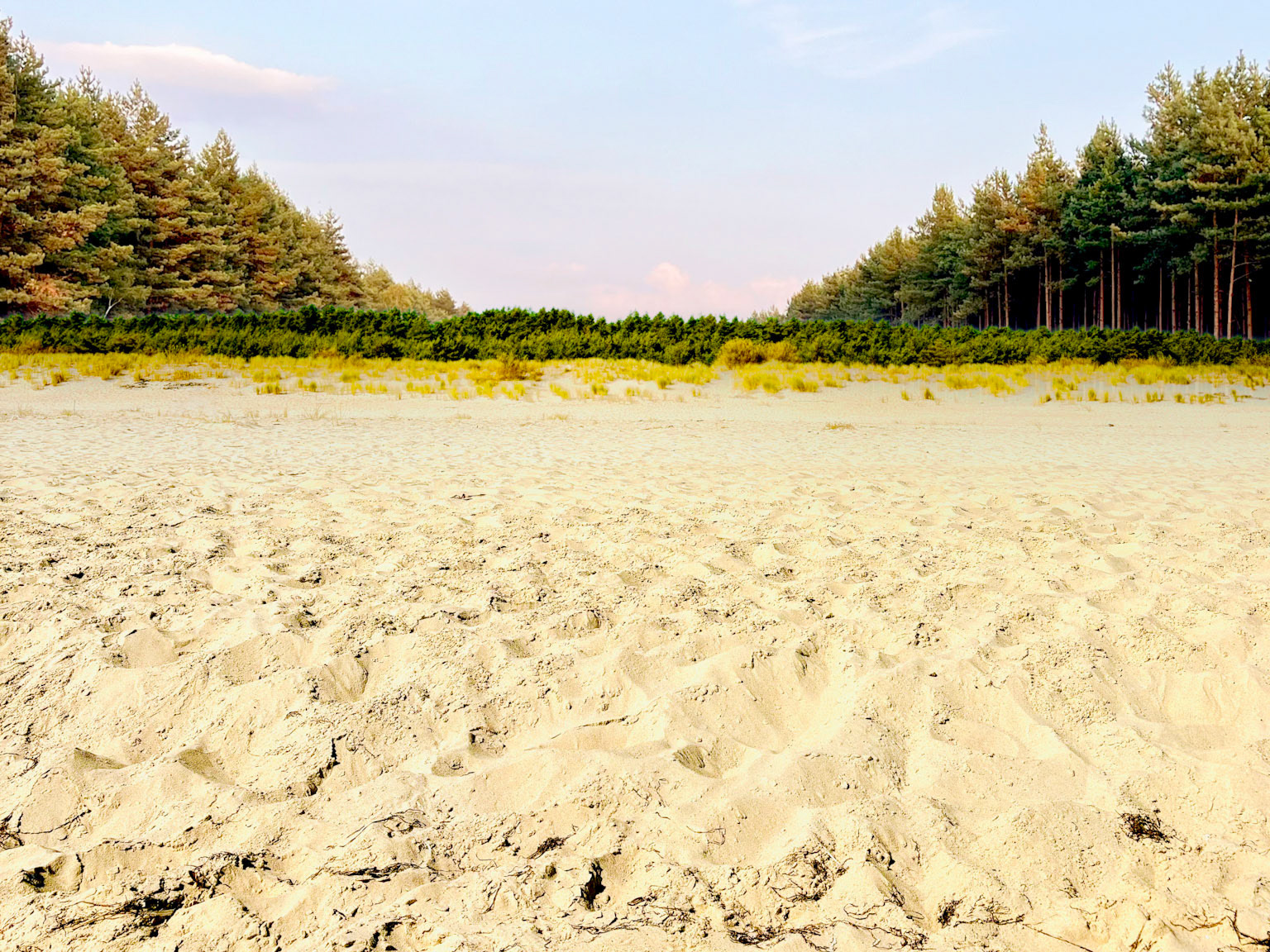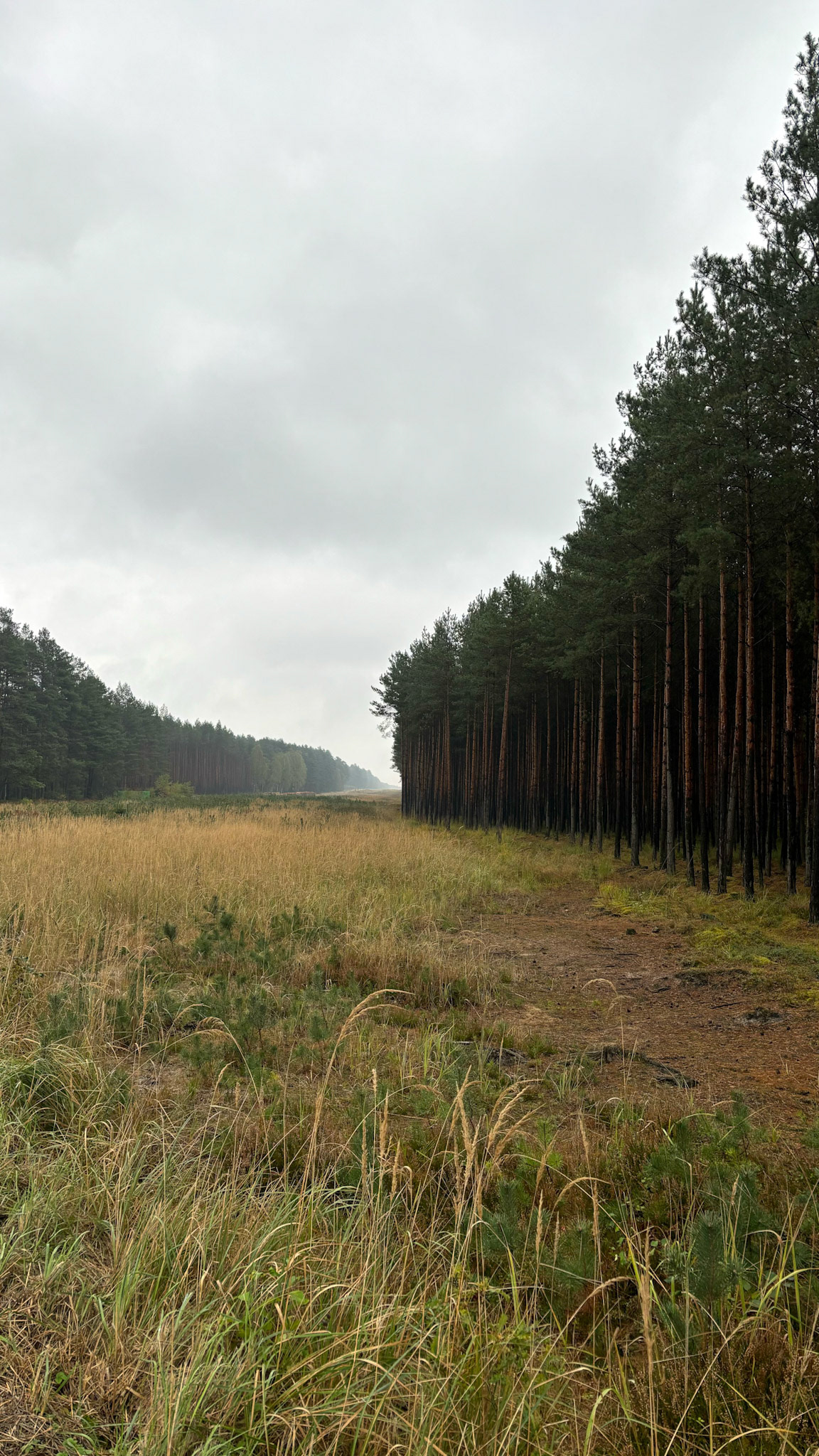
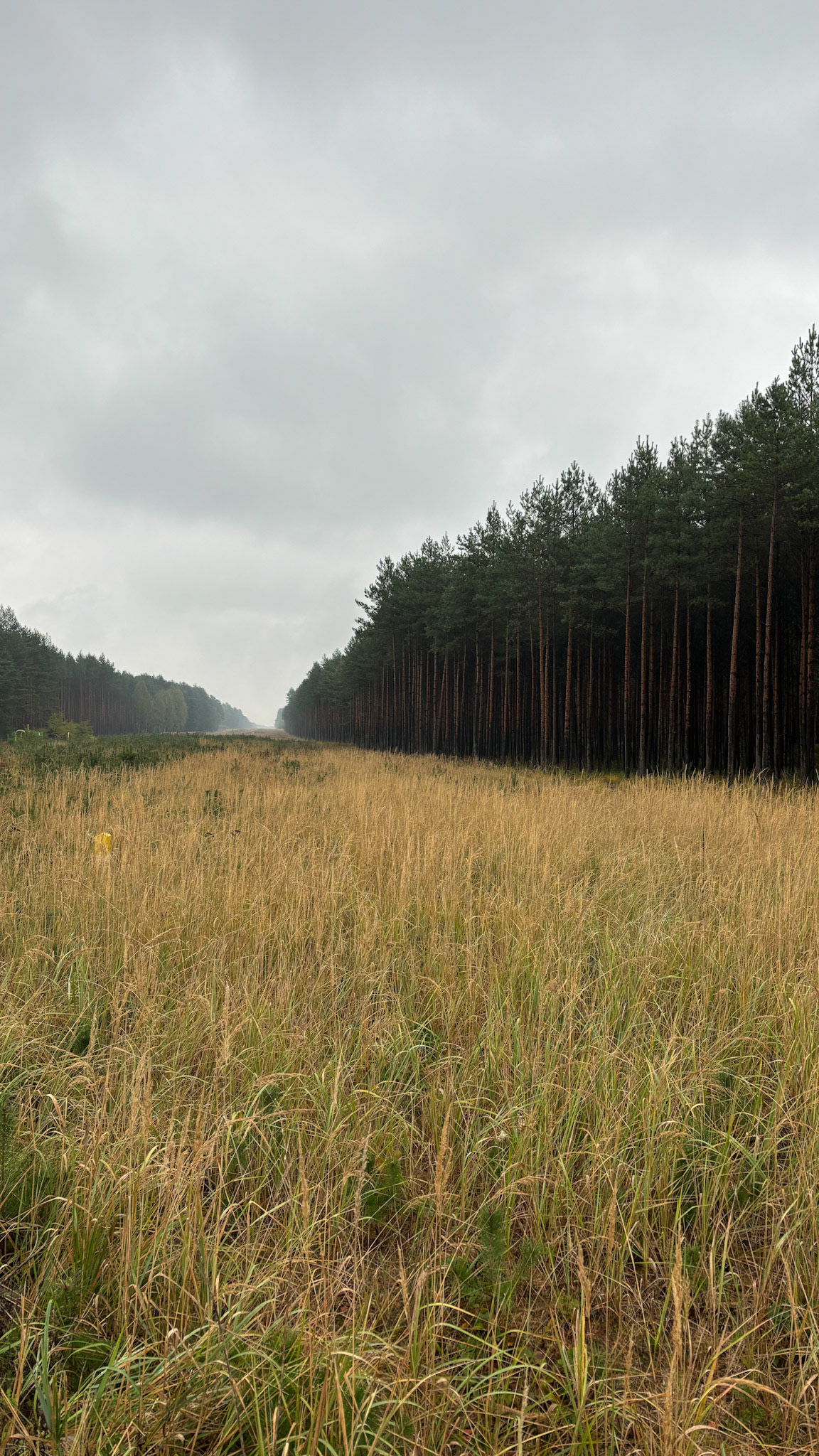
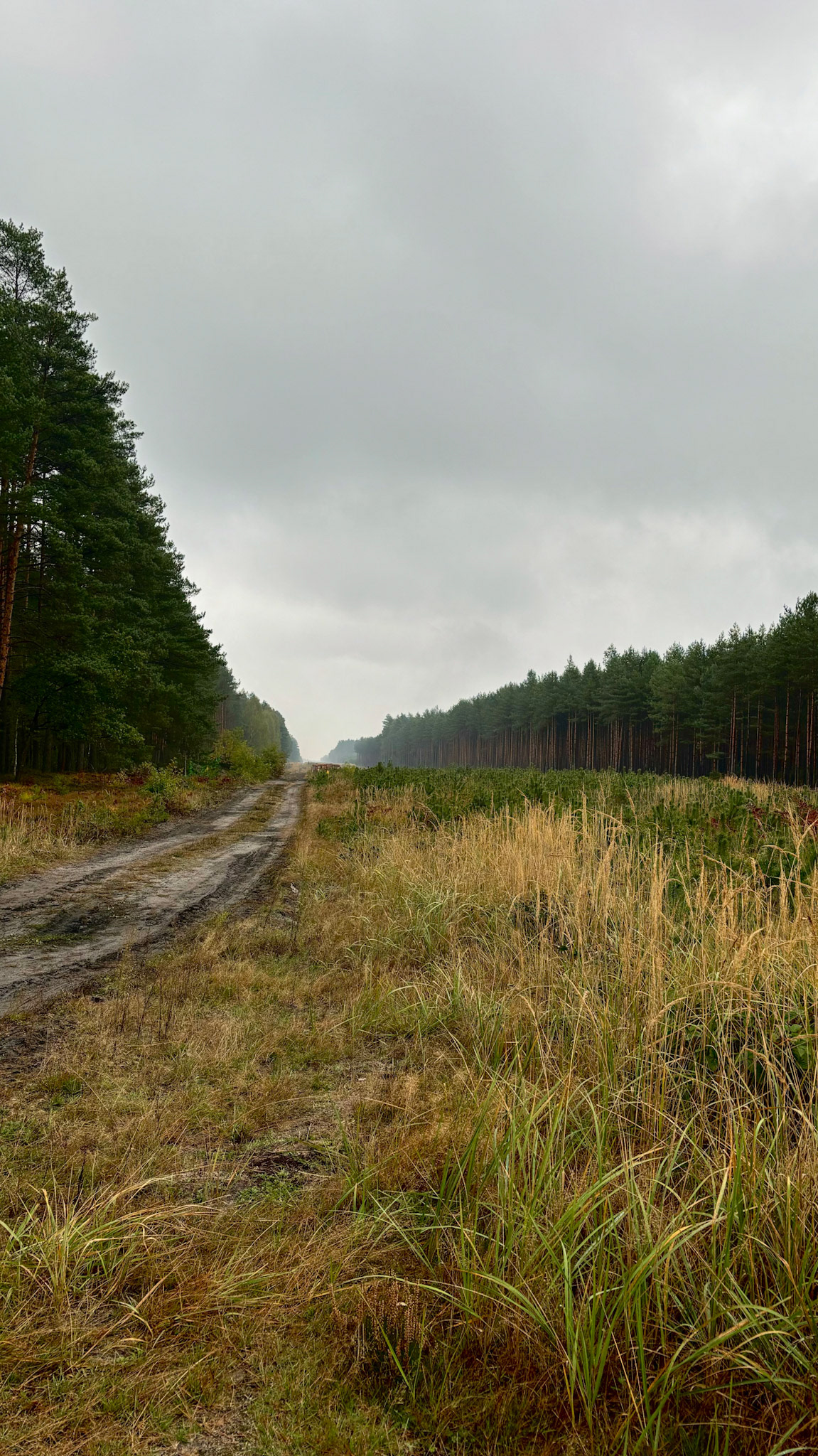
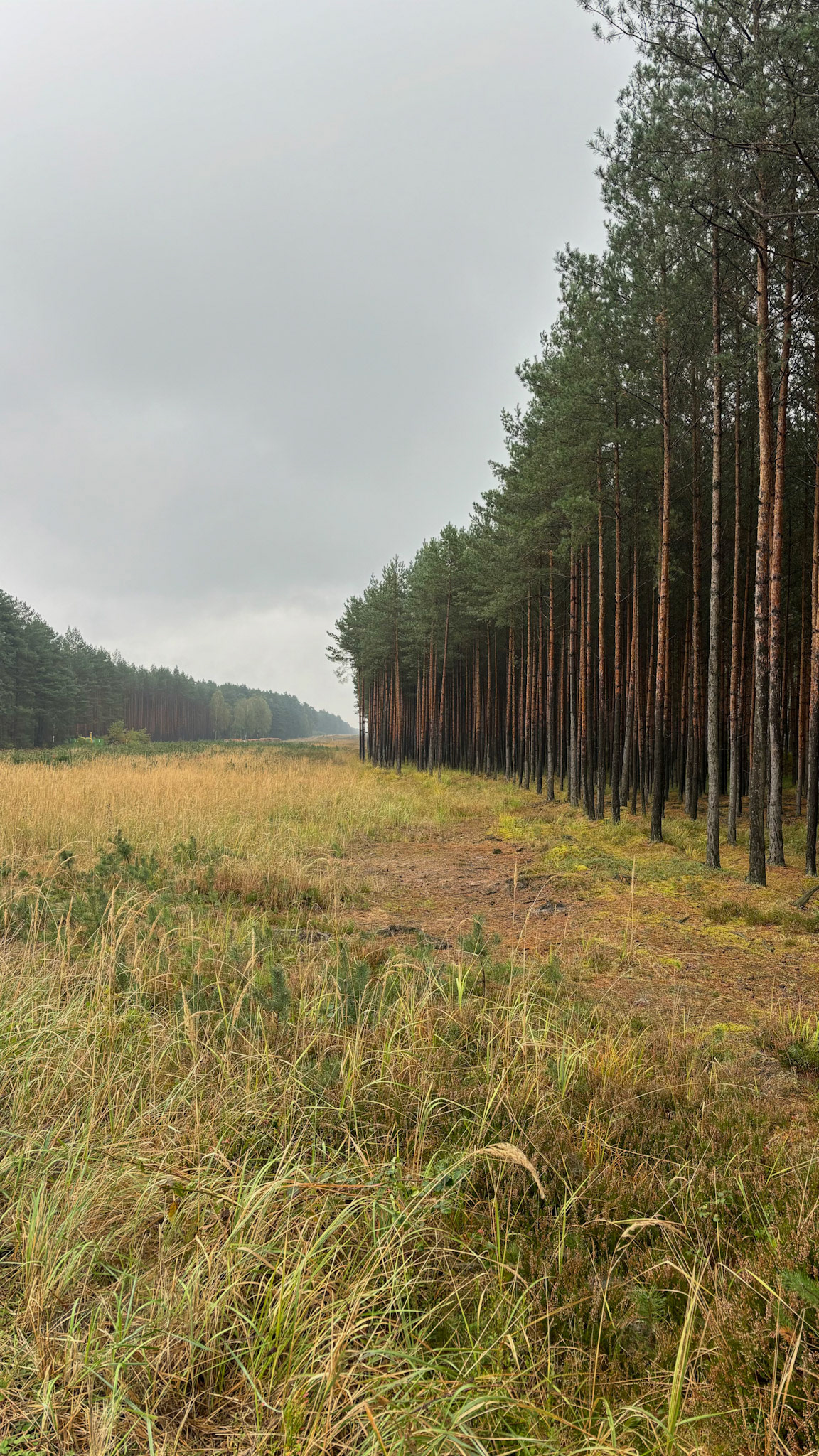
Where the northern plains gather their breath and release it in long, whispering waves, a forest rises—ancient, fragrant, and assured of its place in the world. Pines stand in regimented columns, straight as cathedral pipes, their trunks glowing with that resinous, amber dusk that belongs only to this part of Europe. Beneath them, a green undercurrent: moss, heather, tufts of dry grasses, and the soft scatter of berries in season—blueberries in indigo constellations, cranberries catching the light like lacquered beadwork, blackberries ripening in the shade.
In summer, the canopy hums; in autumn, it thickens with scent and smoke-colored shadow; in winter, it becomes a drawing—line and silence, graphite and breath. The wind, passing through, behaves like a tide, moving through the trees with the rhythm of something tidal and old. A hush, a low swell, a receding sigh.
Some stands tilt in unison, bent by storms that shaped their future direction—an unexpected ballet of trunks, sweeping sideways as if the entire forest were a single gesture paused mid-movement. Others rise in disciplined order, reaching toward the sky with unbroken determination.
These landscapes hold the stillness of a poem written in natural meter. They recall the cadence of Polish epic verse without quoting it—nature structured as stanza, light falling like a recurring refrain. Each image becomes a line in that unwritten book: part pastoral, part memory, part myth.
In the gallery, they stand not as souvenirs, but as elemental portraits of place—forests that have weathered centuries, carrying in their branches the quiet authority of a land that continues to reinvent its own timelessness.