
L umen №7 — A City in Thirty-Five Breaths
Detroit has always lived in a strange register of American imagination — too mythic to touch, too misunderstood to see clearly. In the national lexicon it is often flattened into a symbol, deployed as shorthand for industry, collapse, resilience, rebirth. But symbols are poor stand-ins for a city that moves through the day with a subtler, older intelligence.
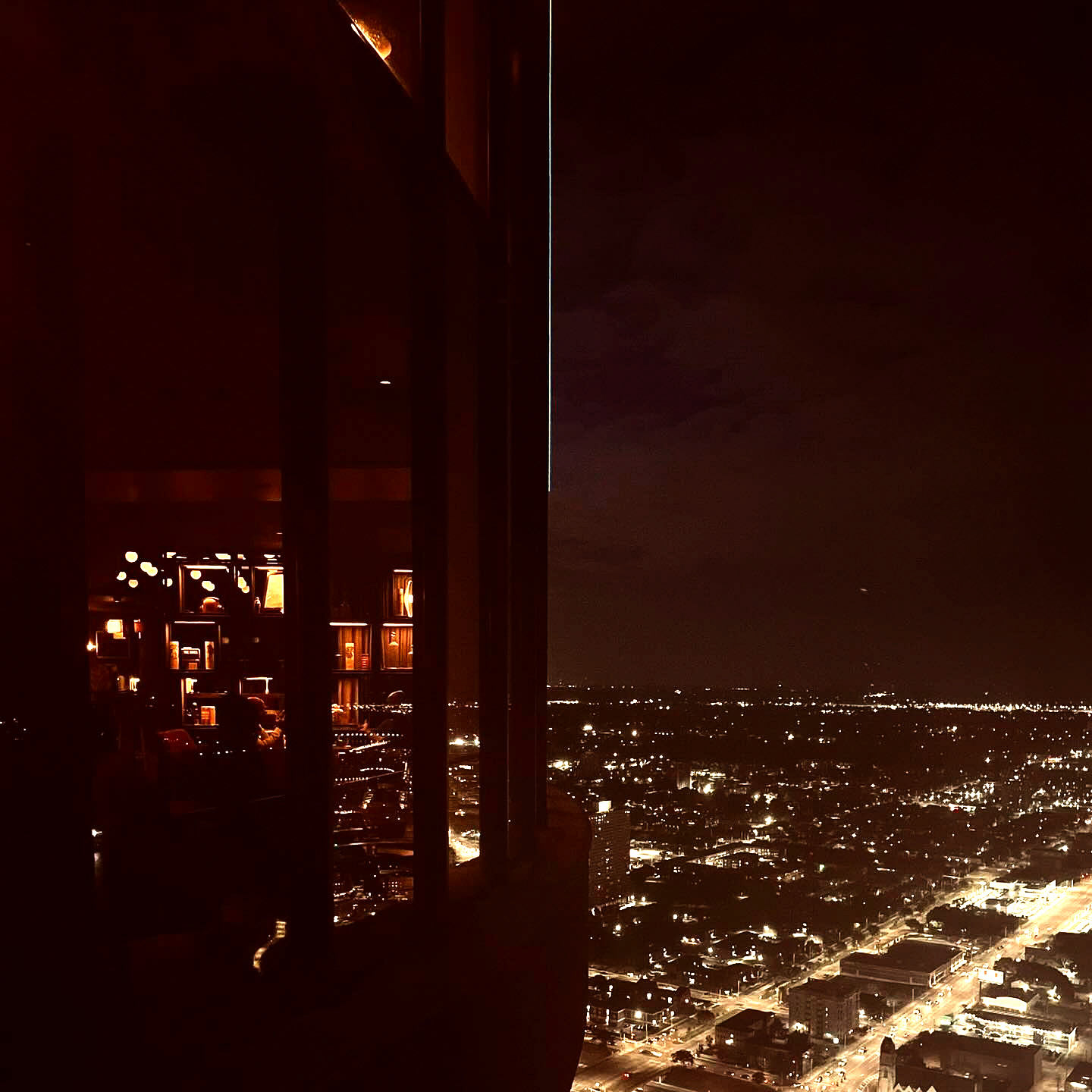
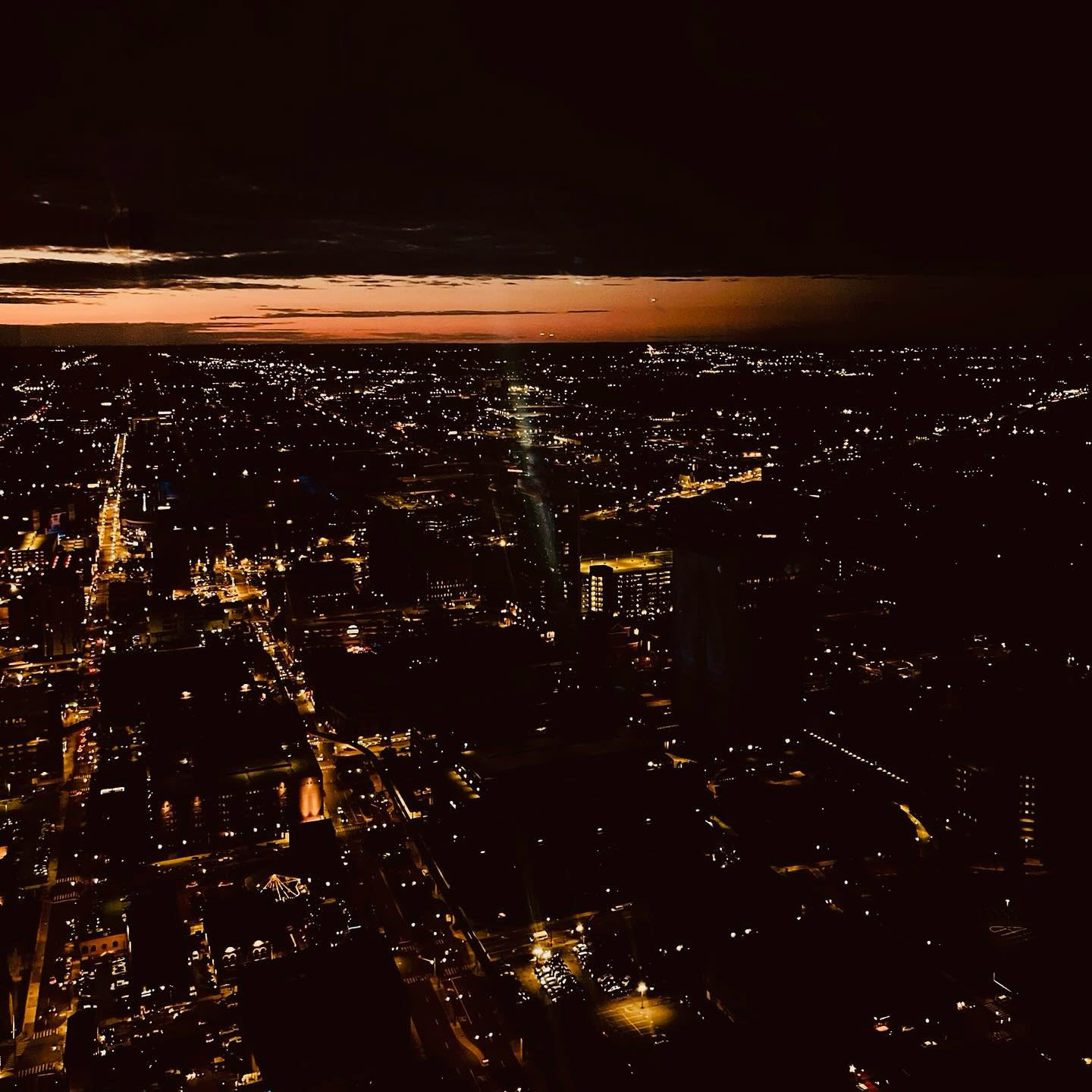
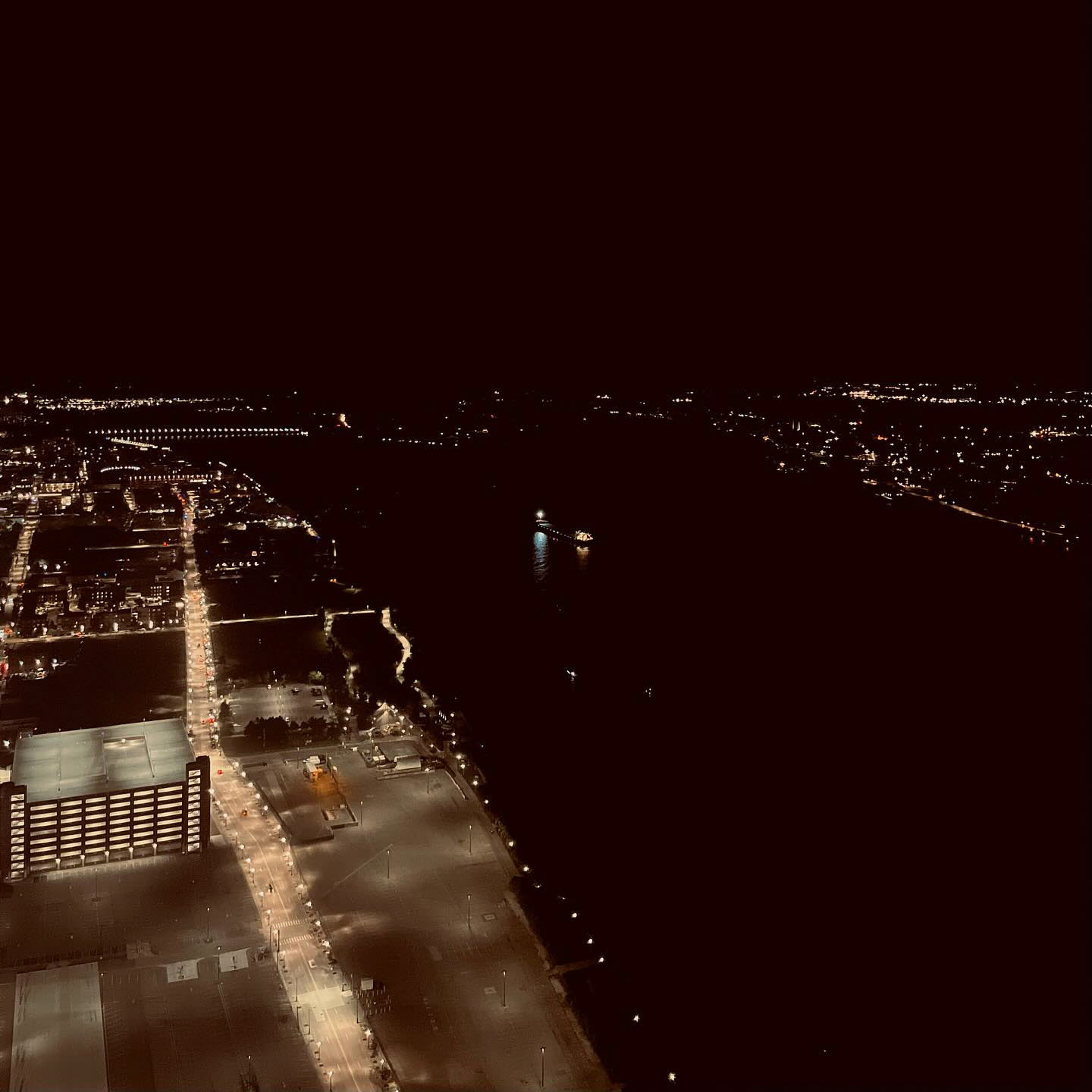
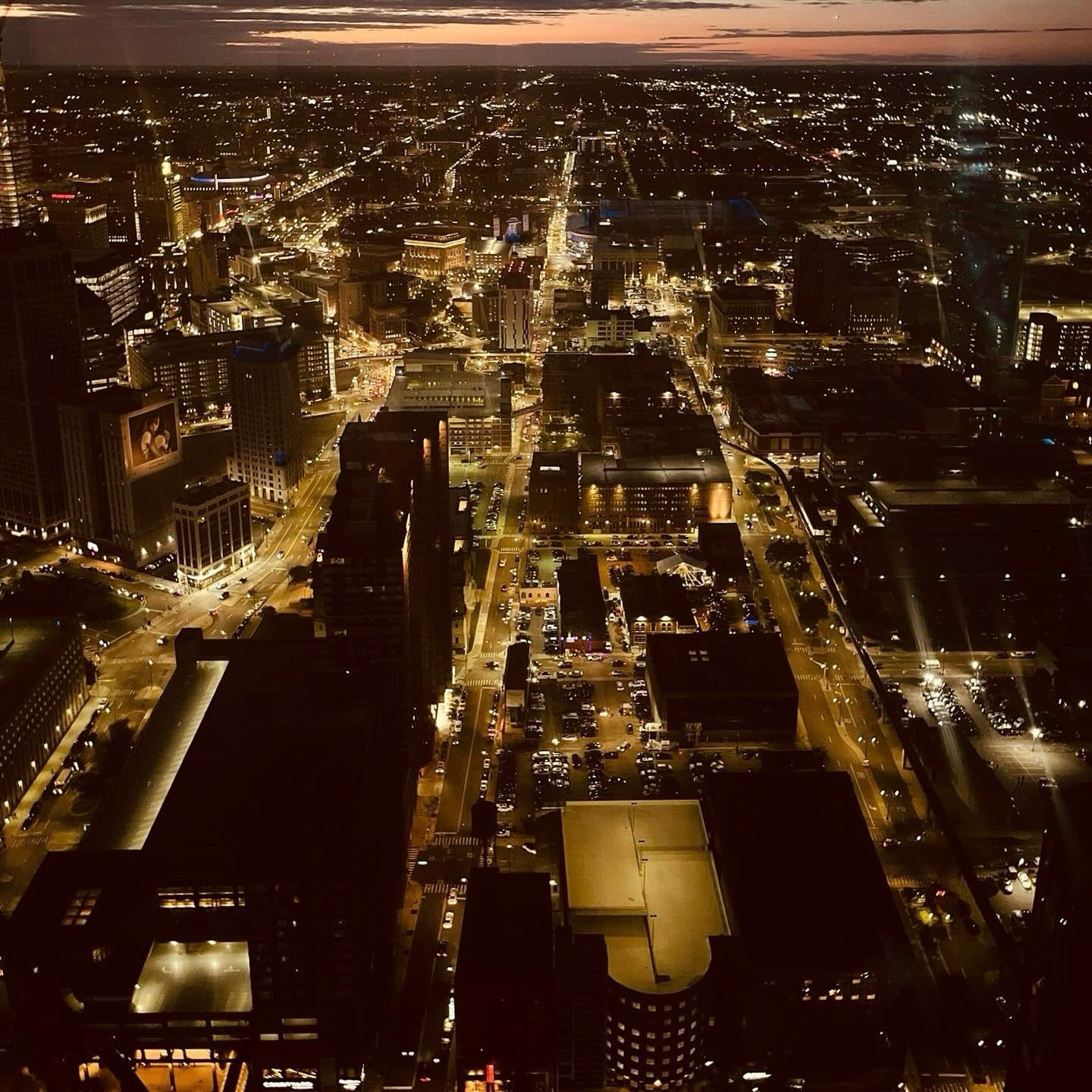
The thirty-five frames refuse the myth-making. They return Detroit to its actual weather — its specific light, its private moods, the odd dignity of its quiet hours. This Lumen does not perform nostalgia or rehearse decline; it sits with the city as one sits with a longtime friend, attentive to the ways they age, soften, sharpen, endure.
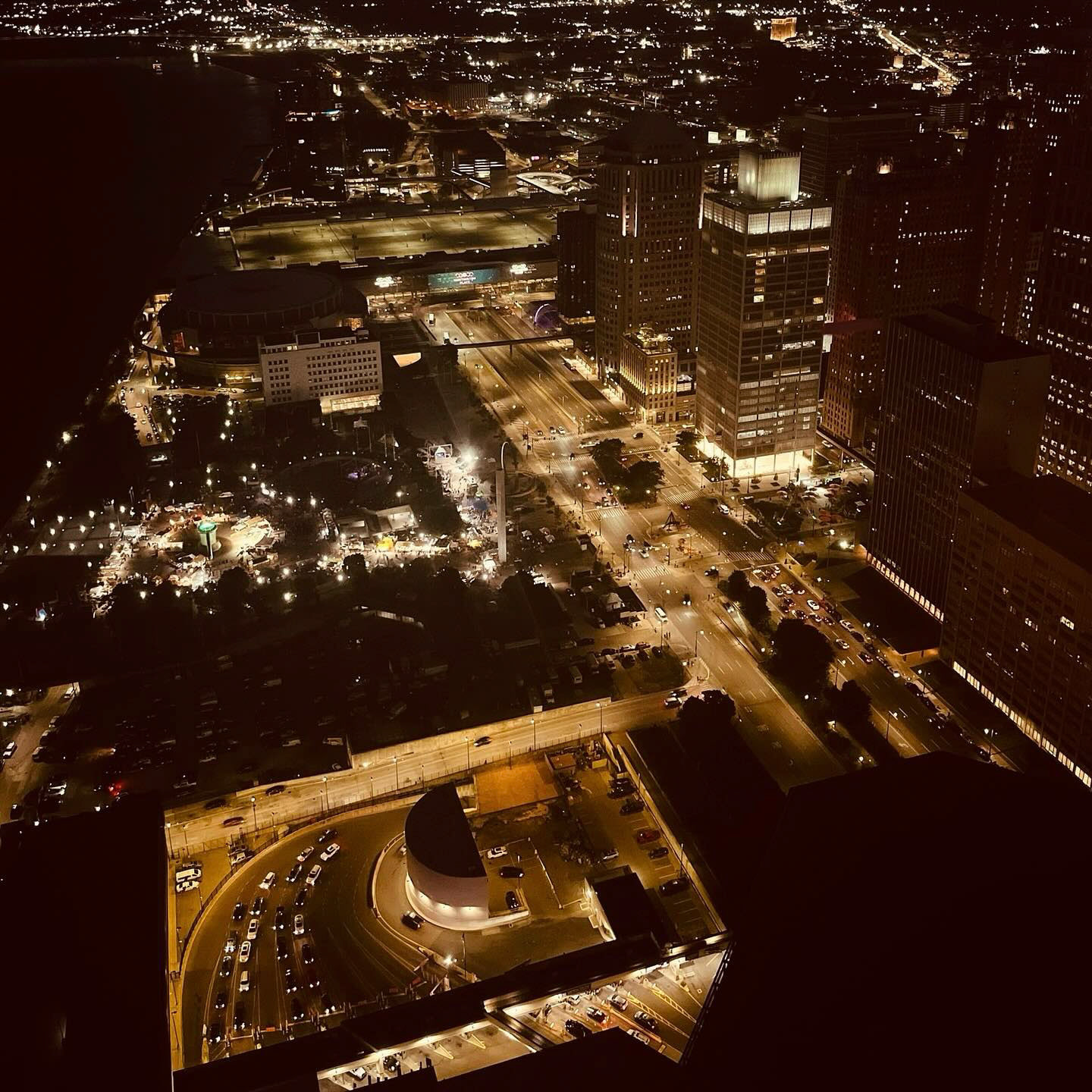
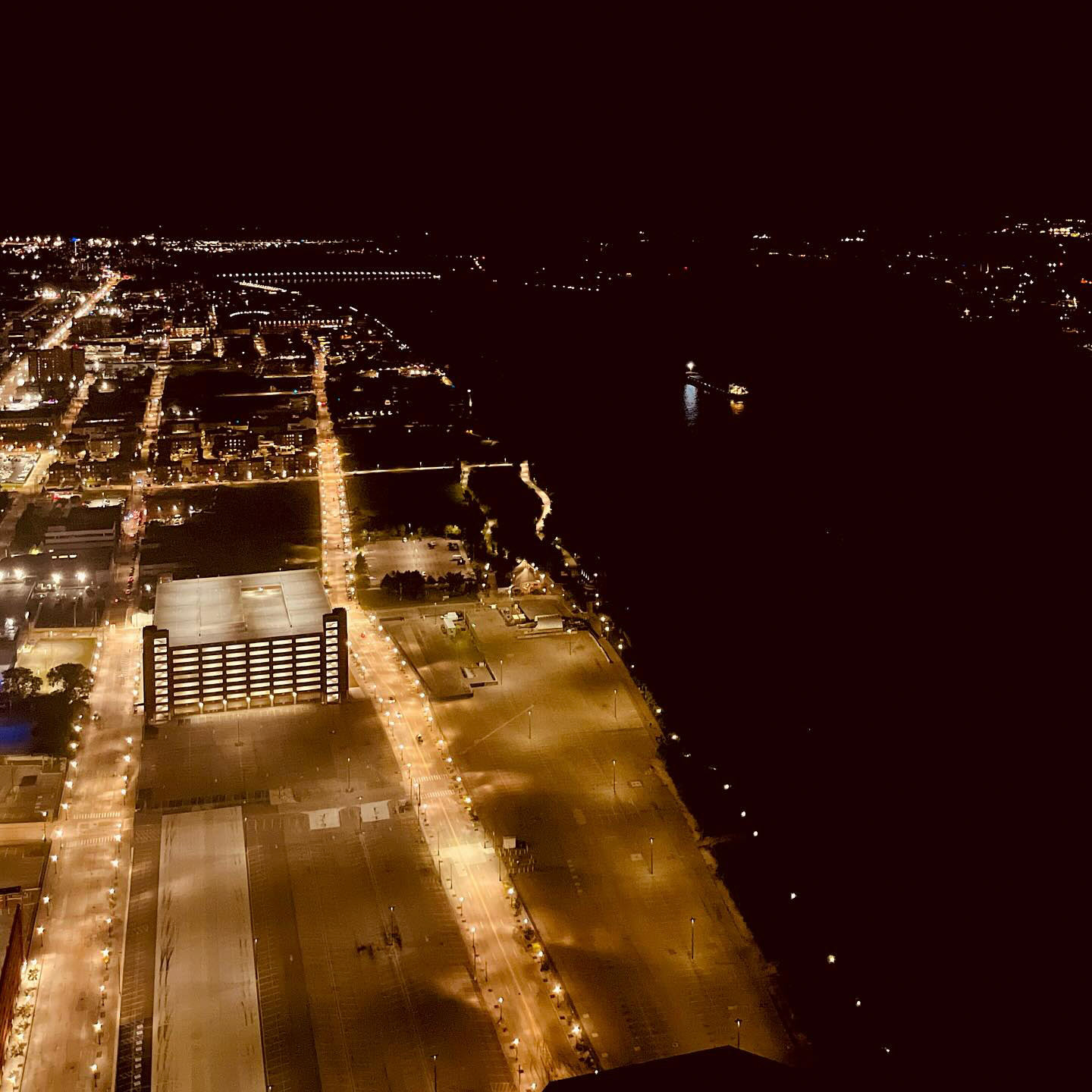
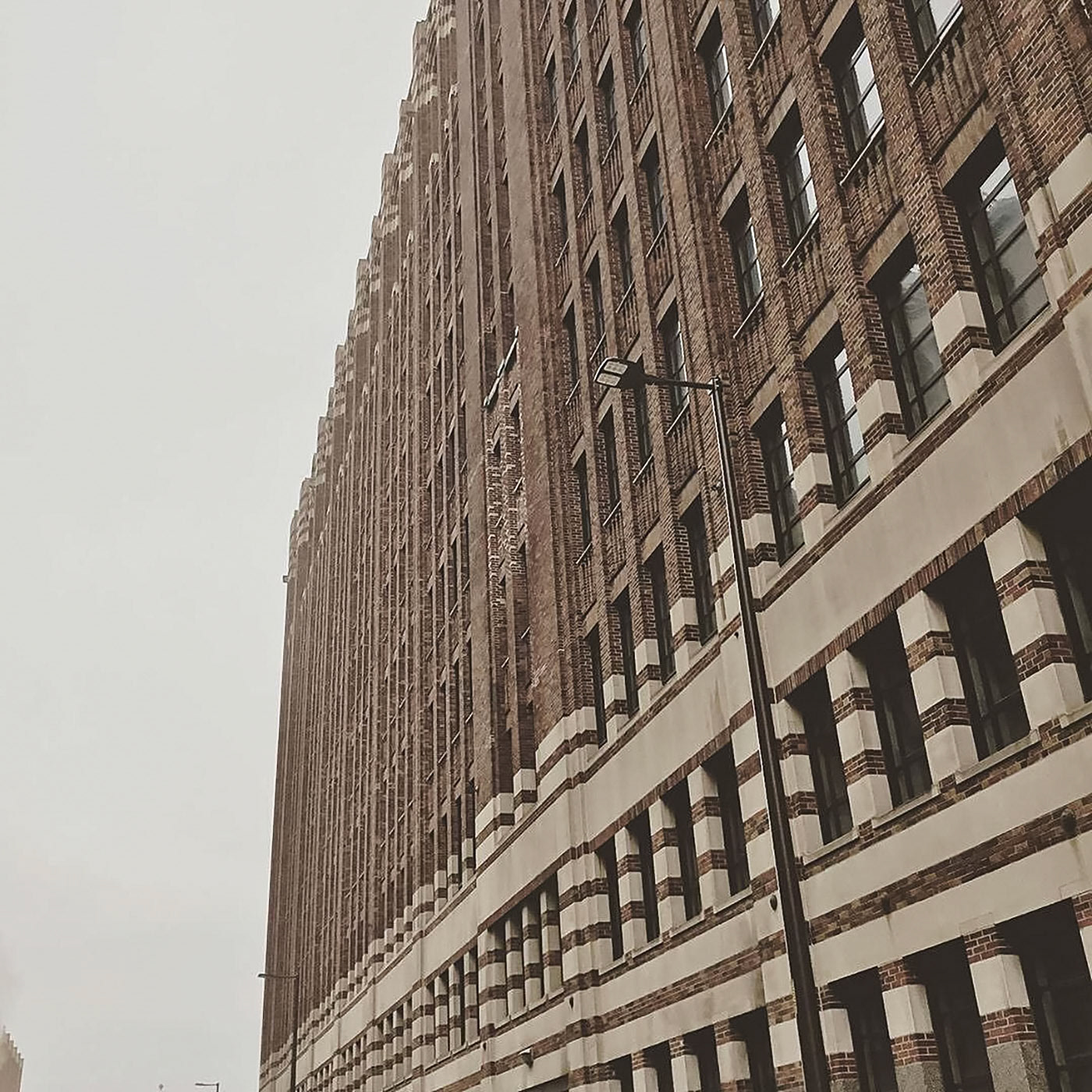
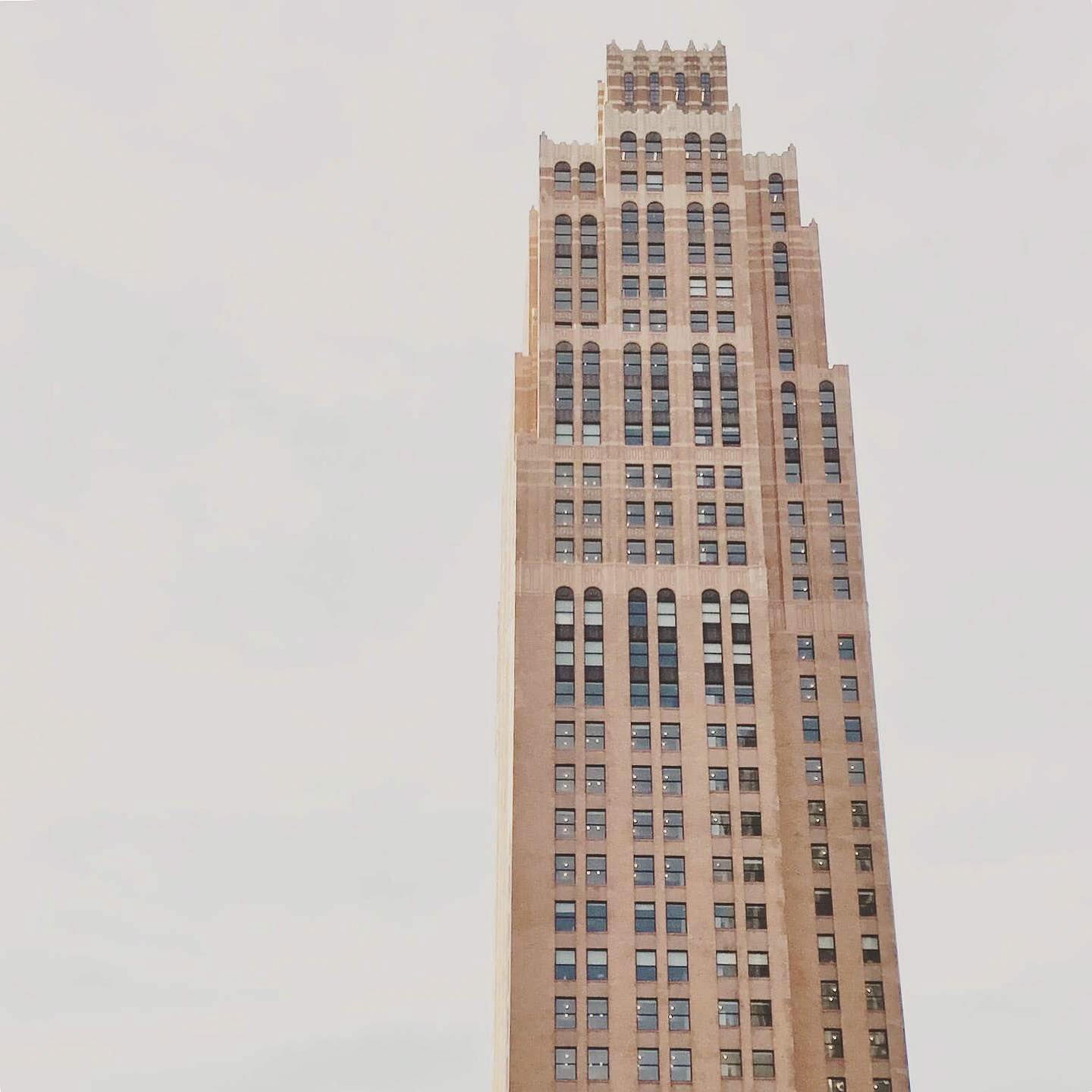
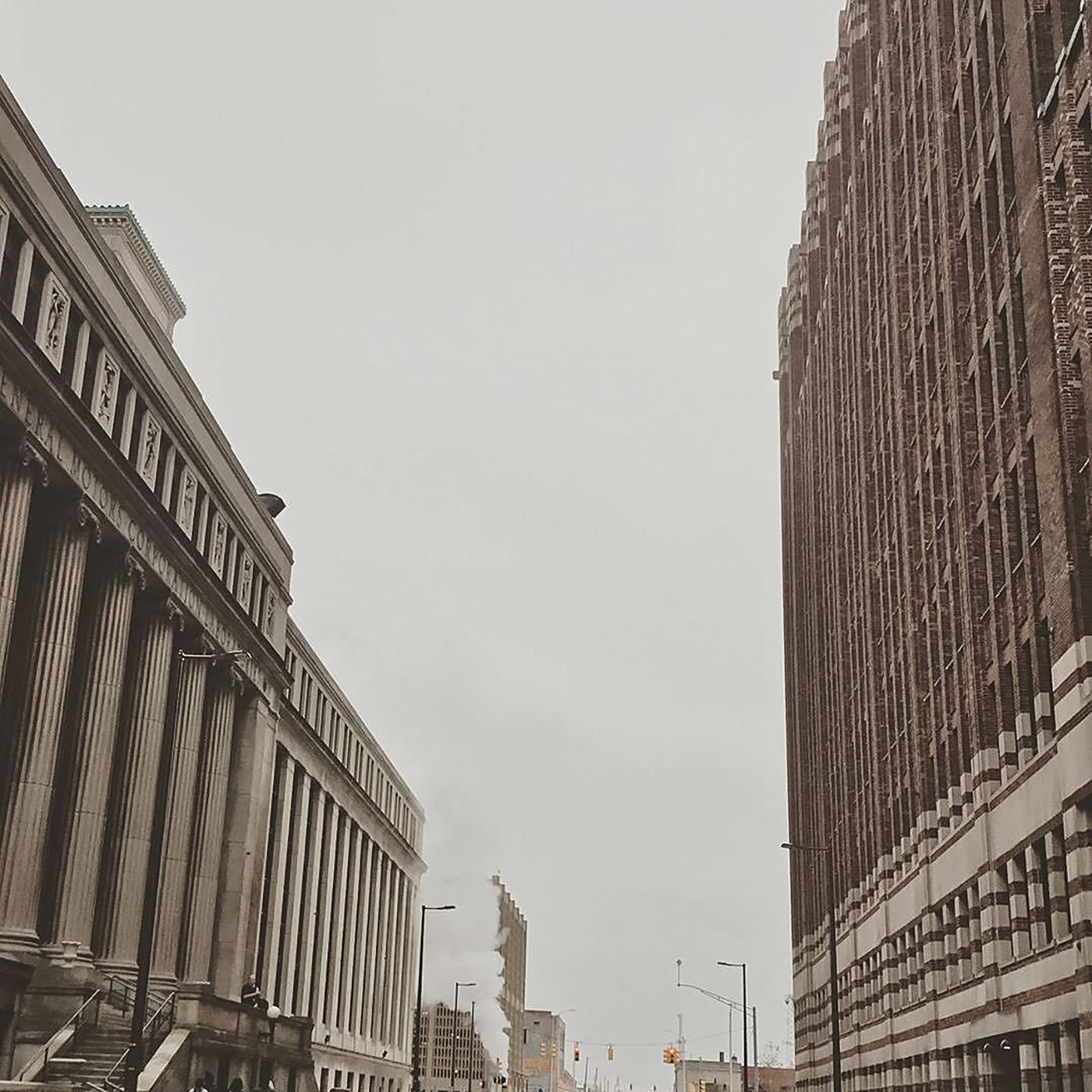
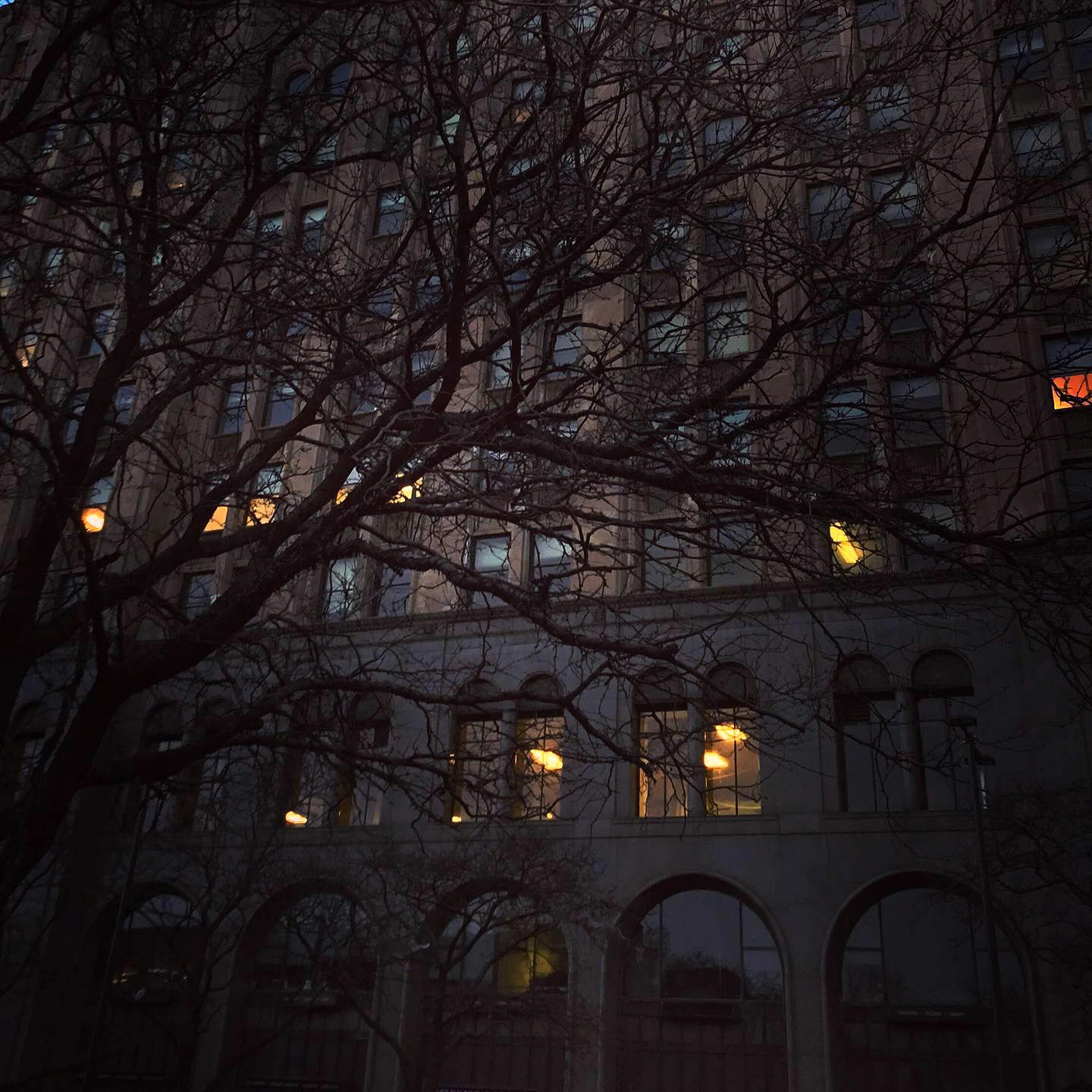
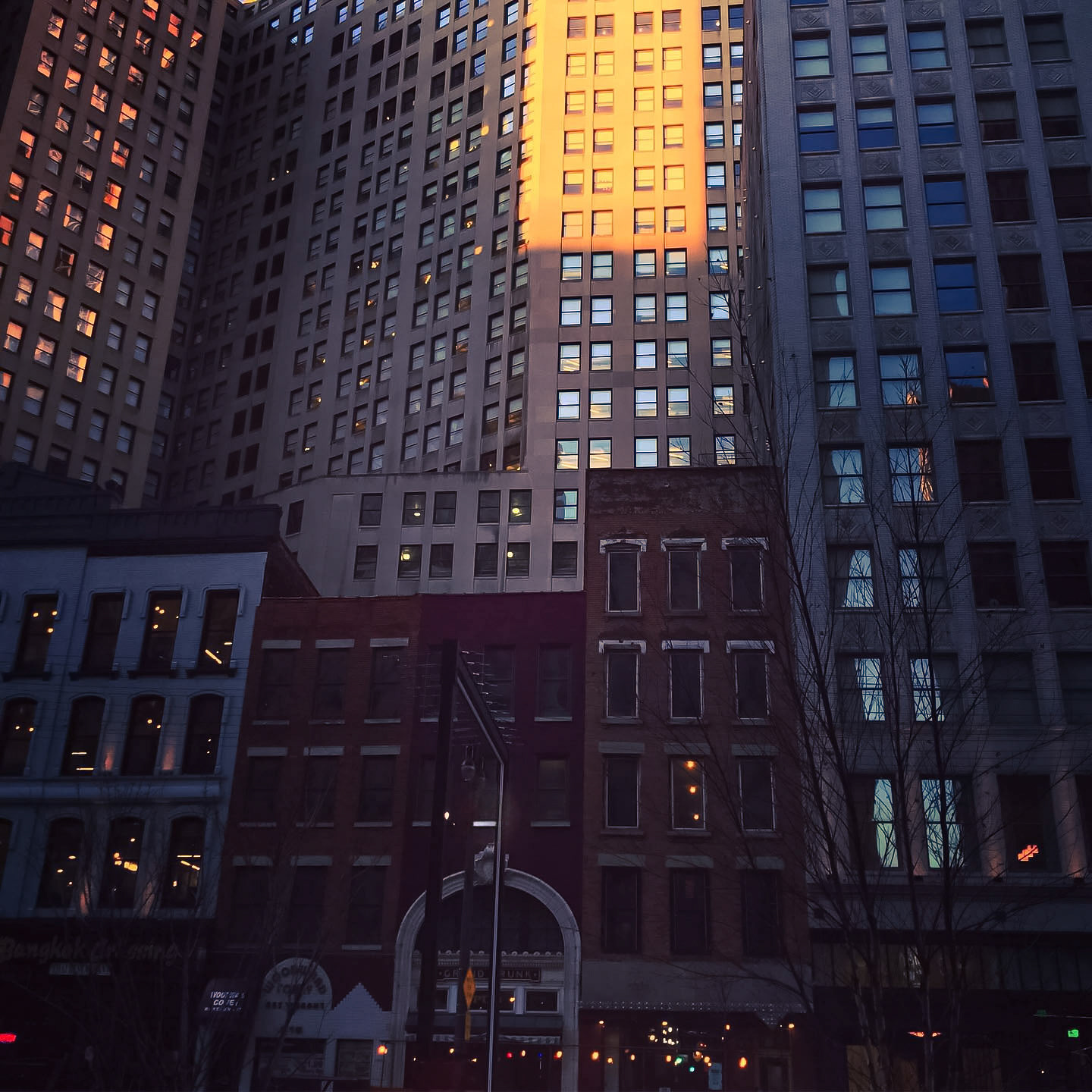
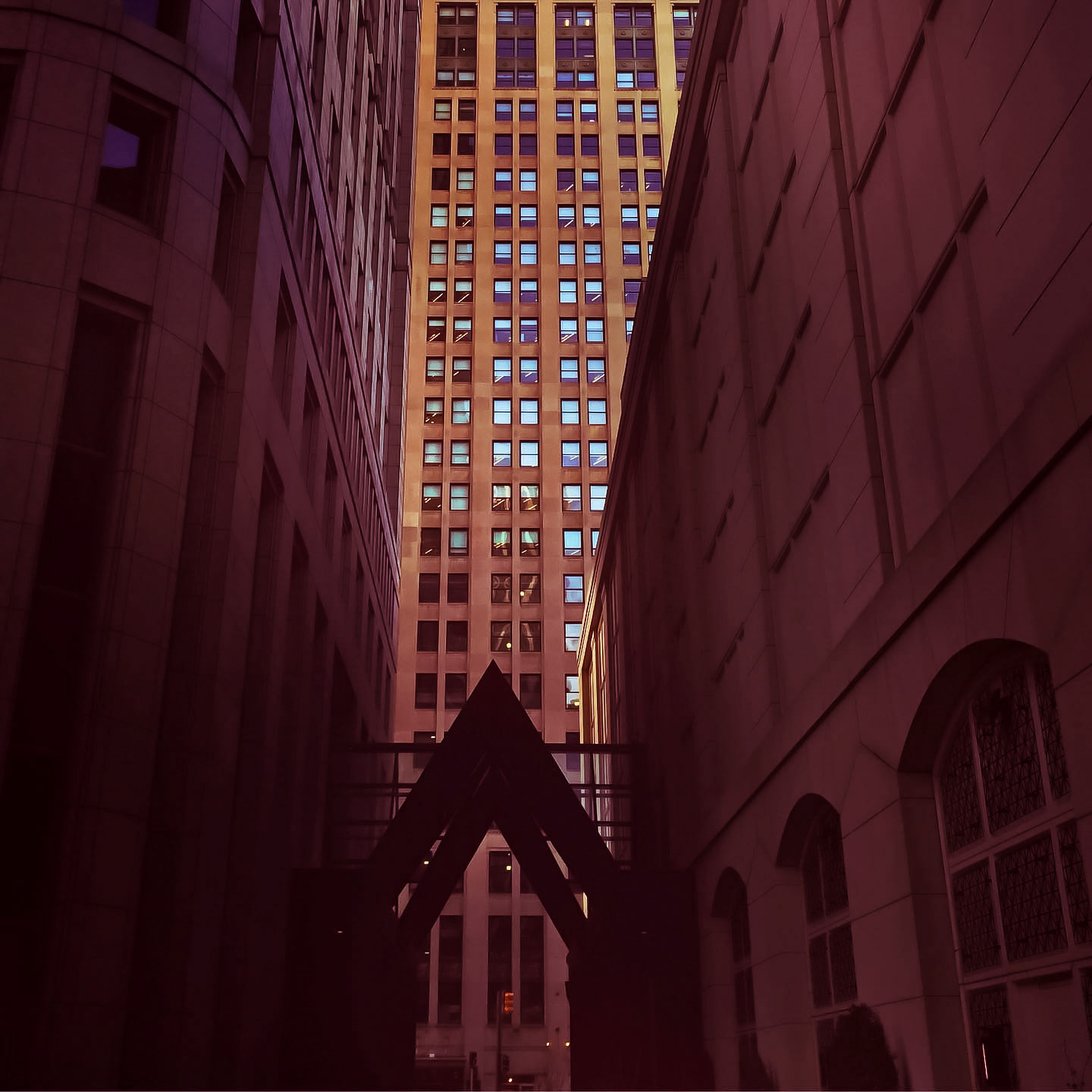
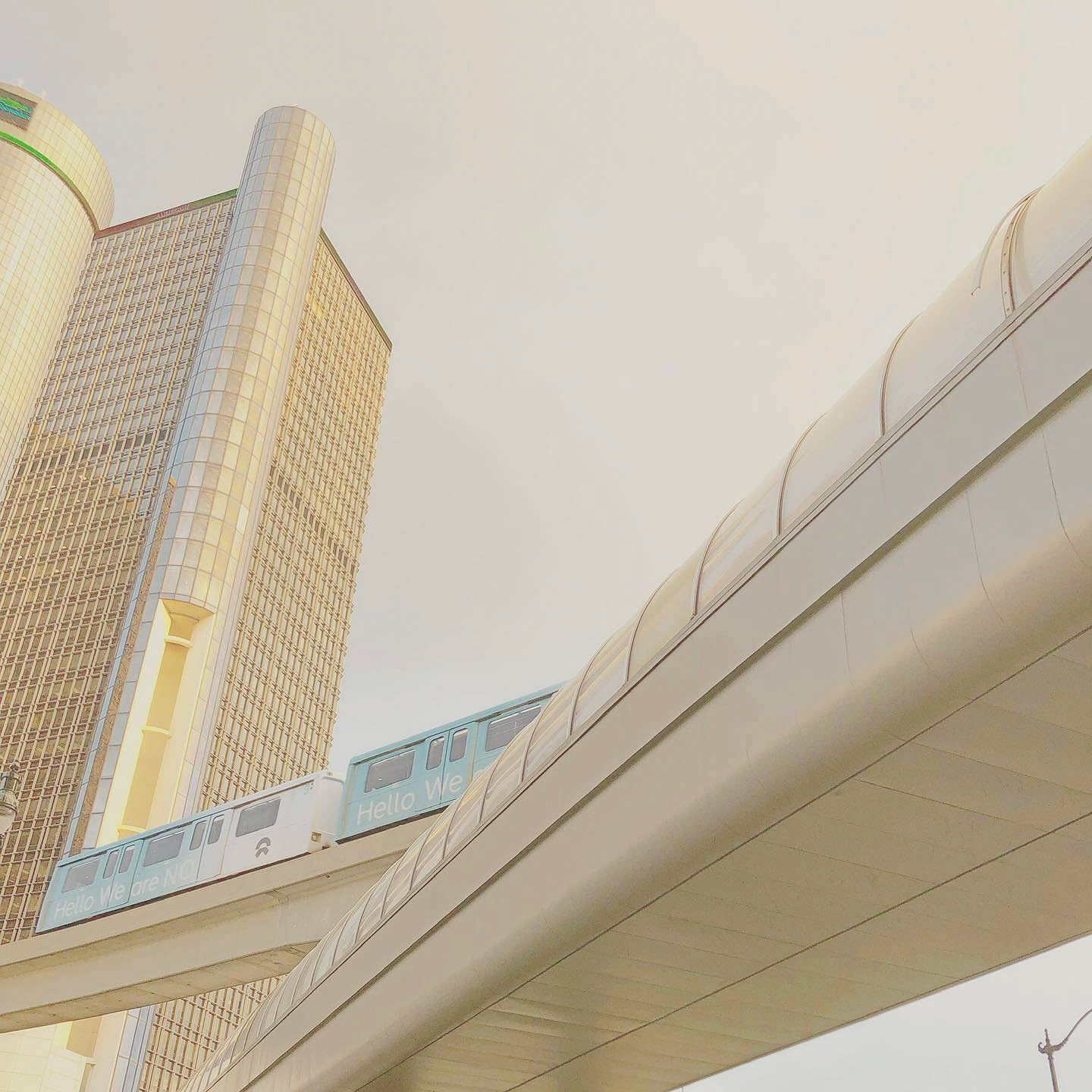
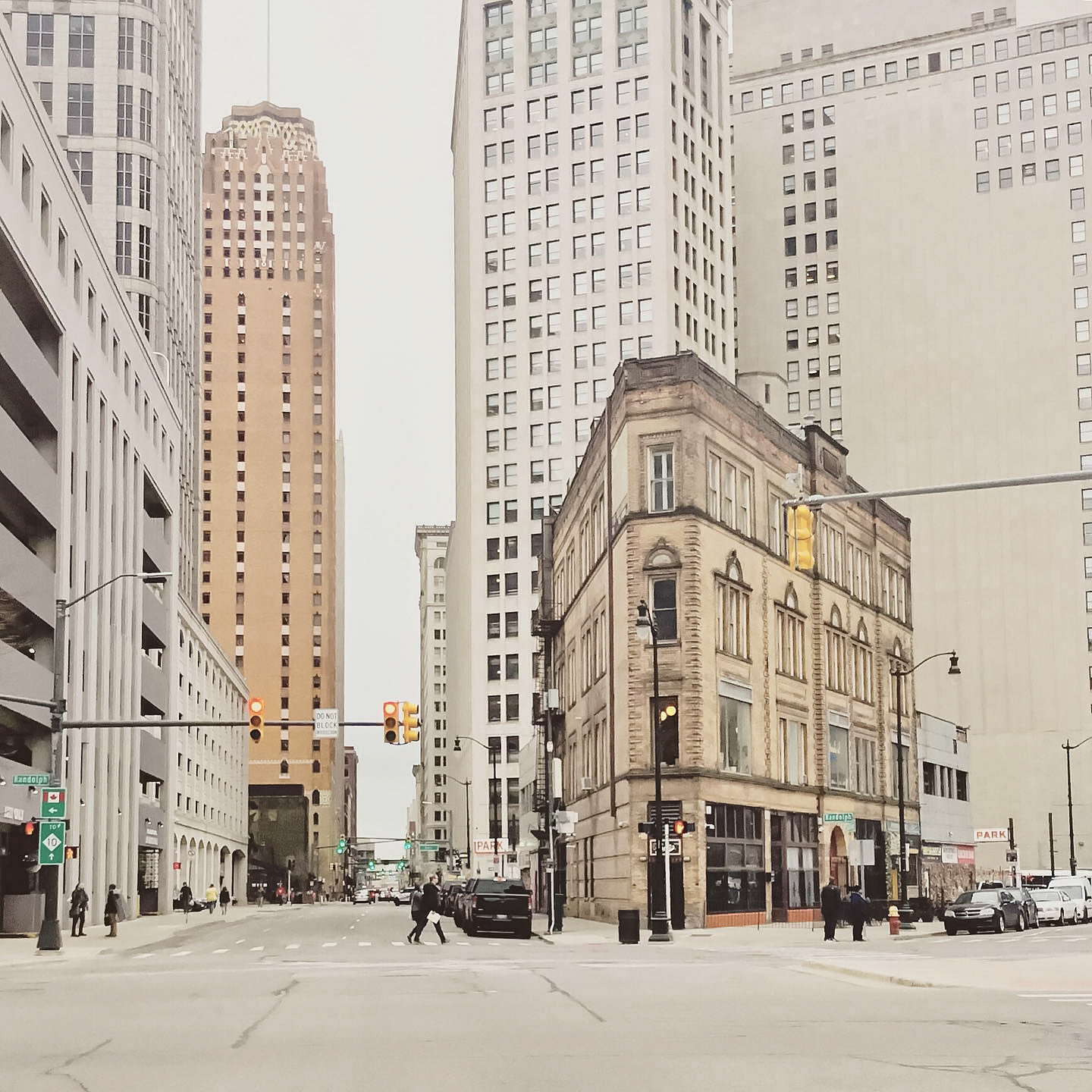
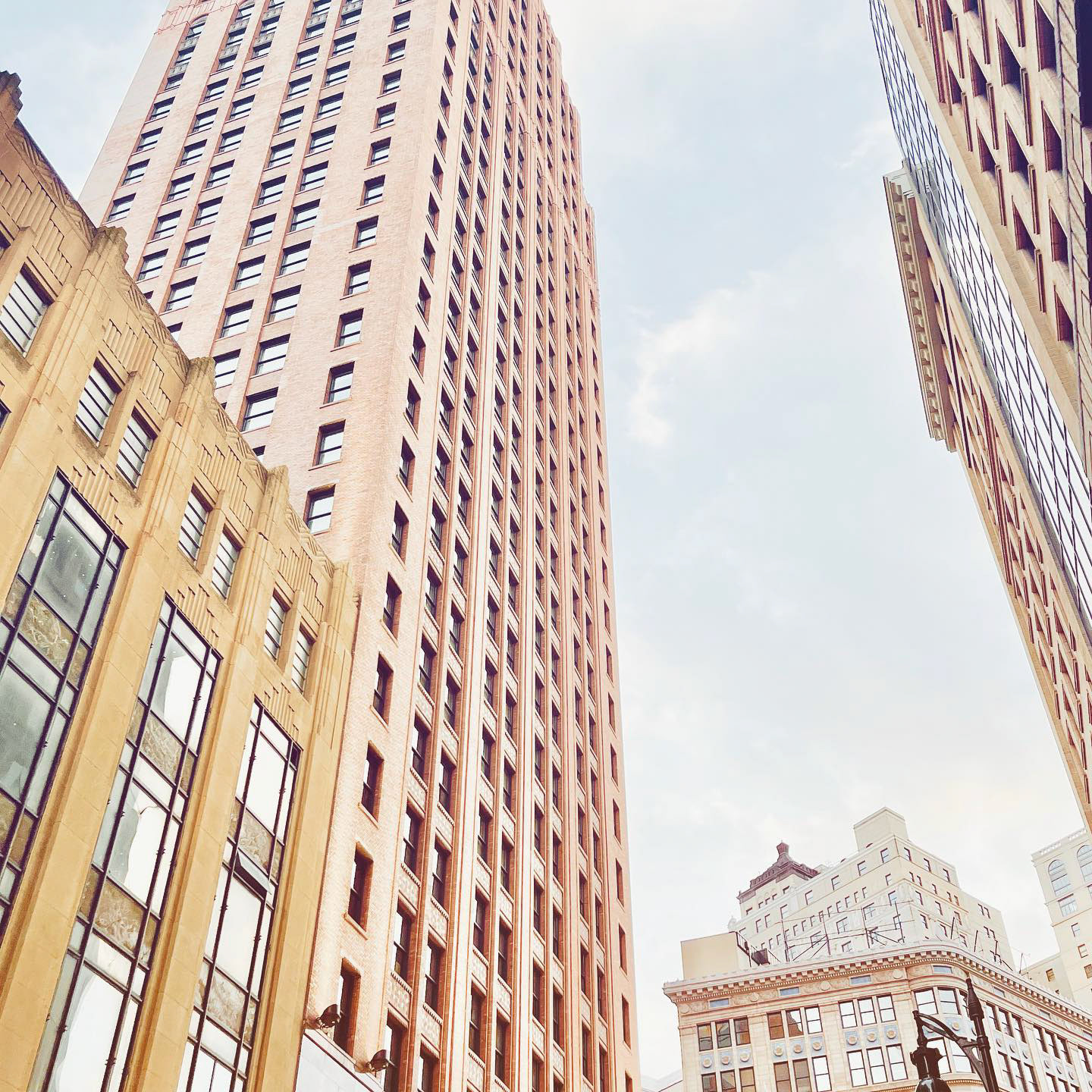
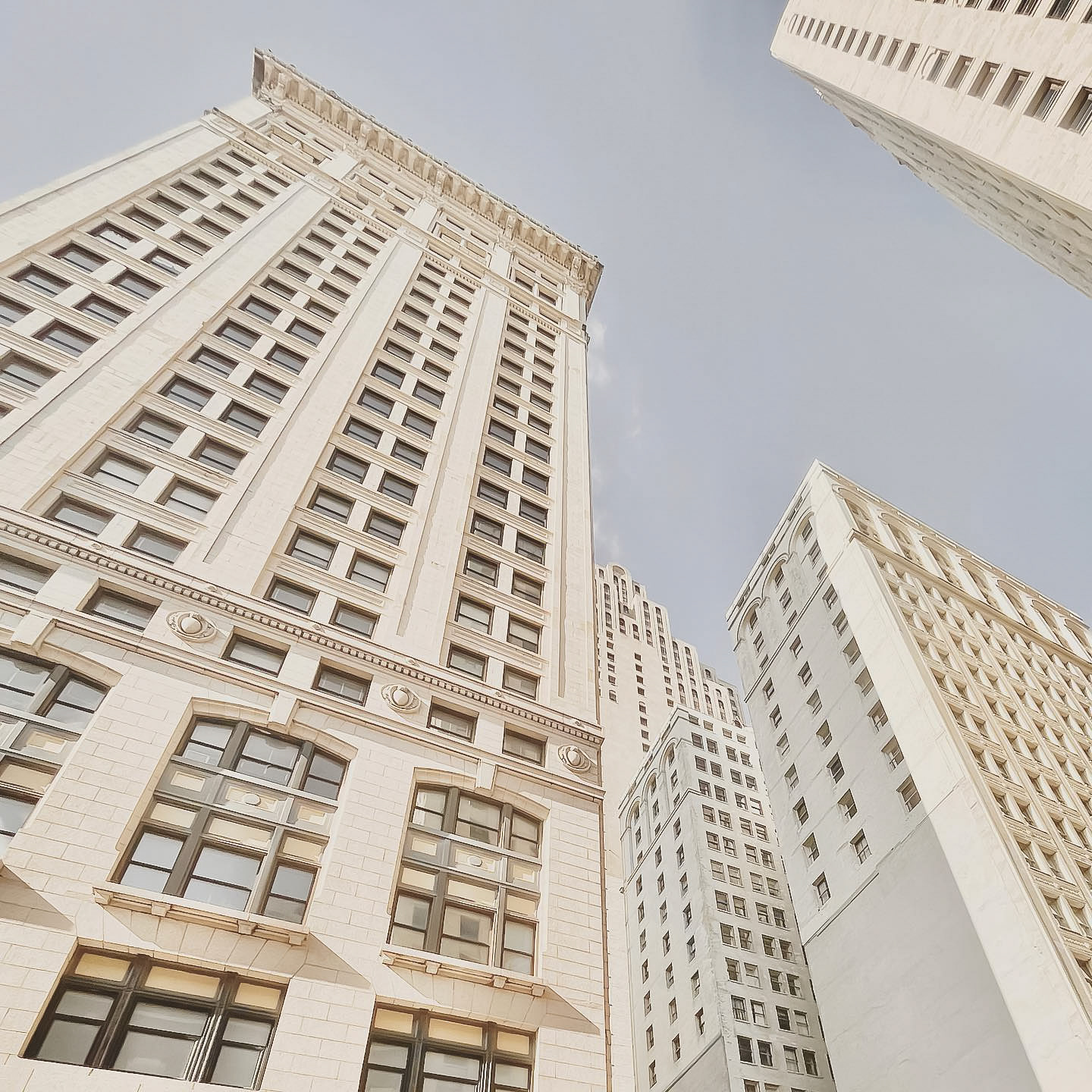
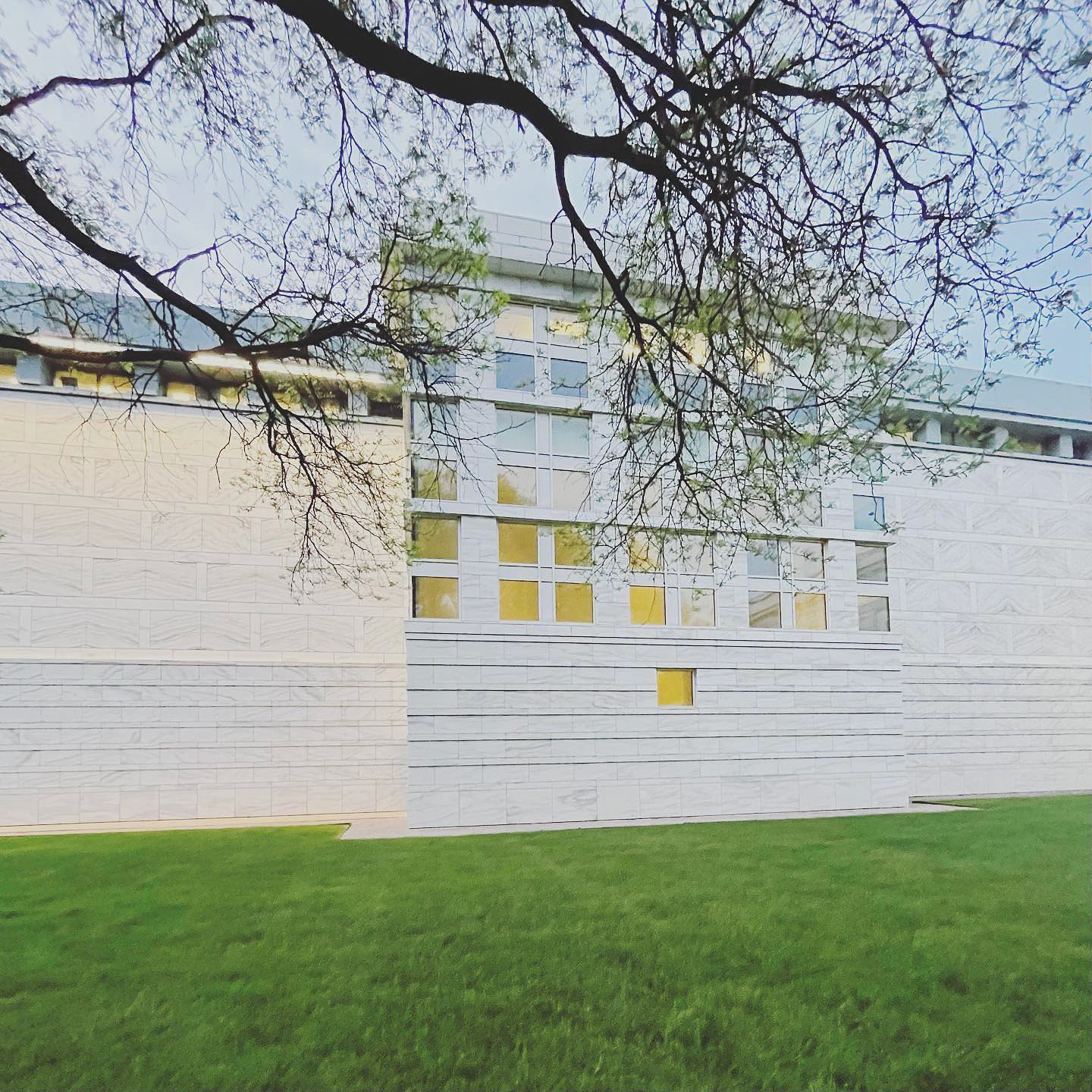
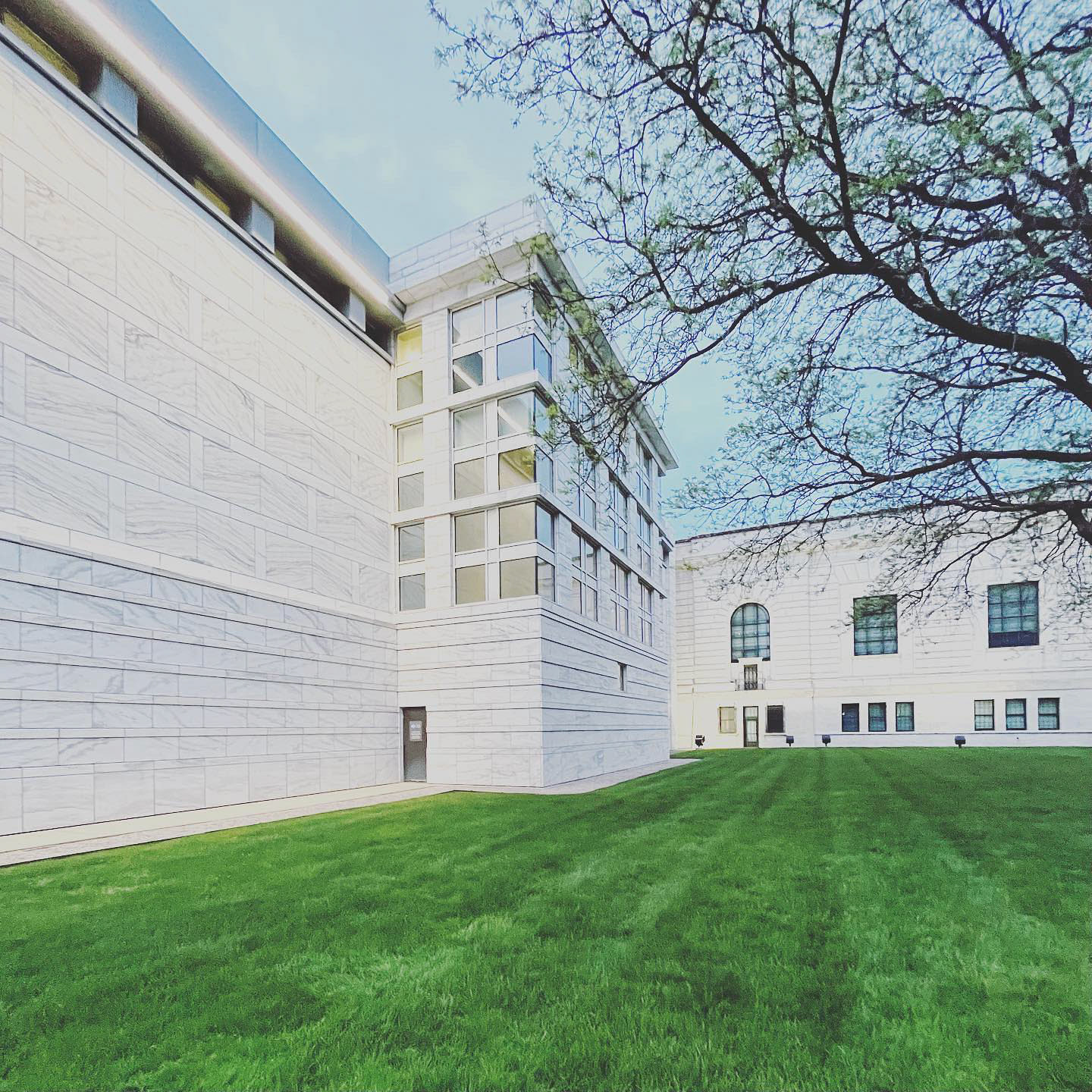
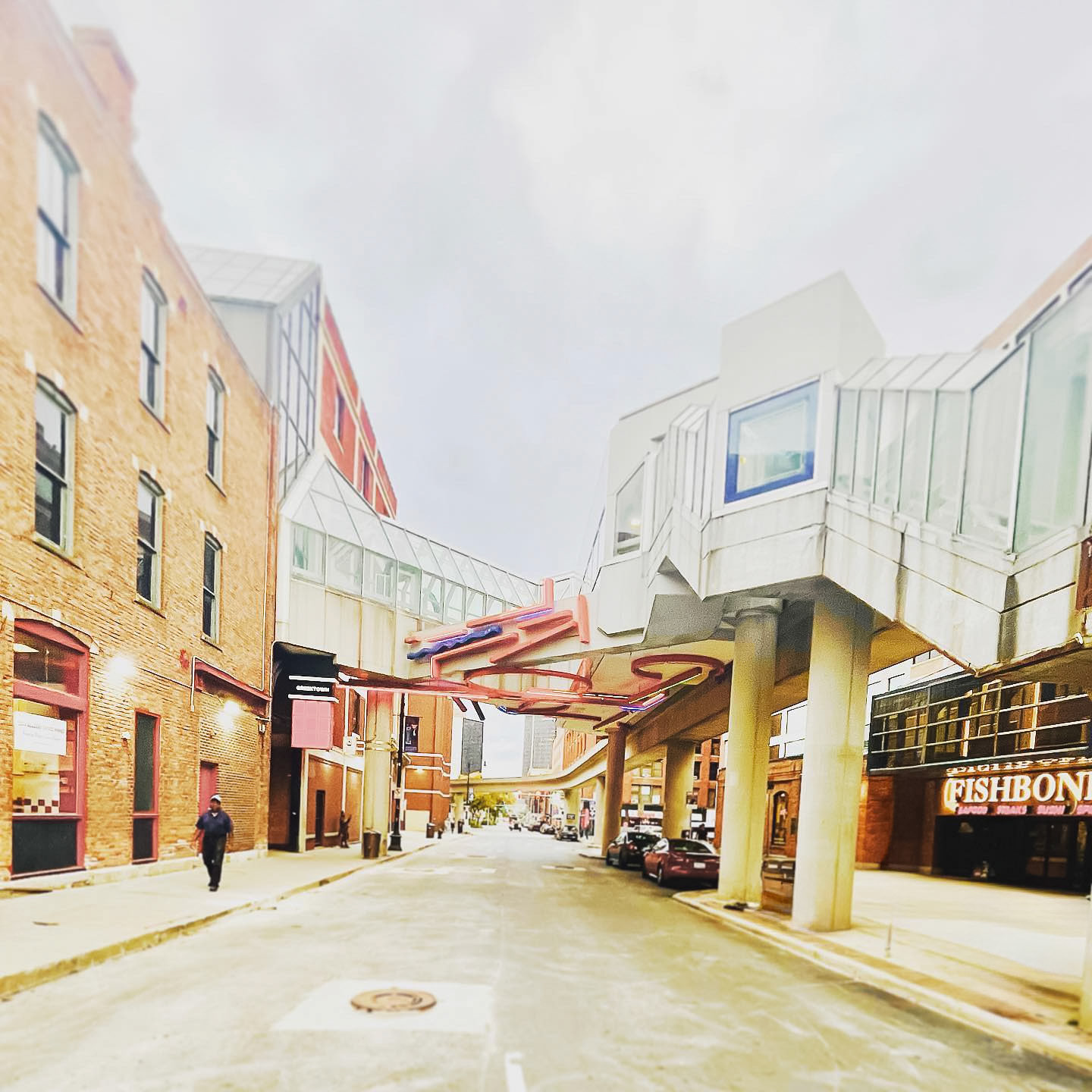
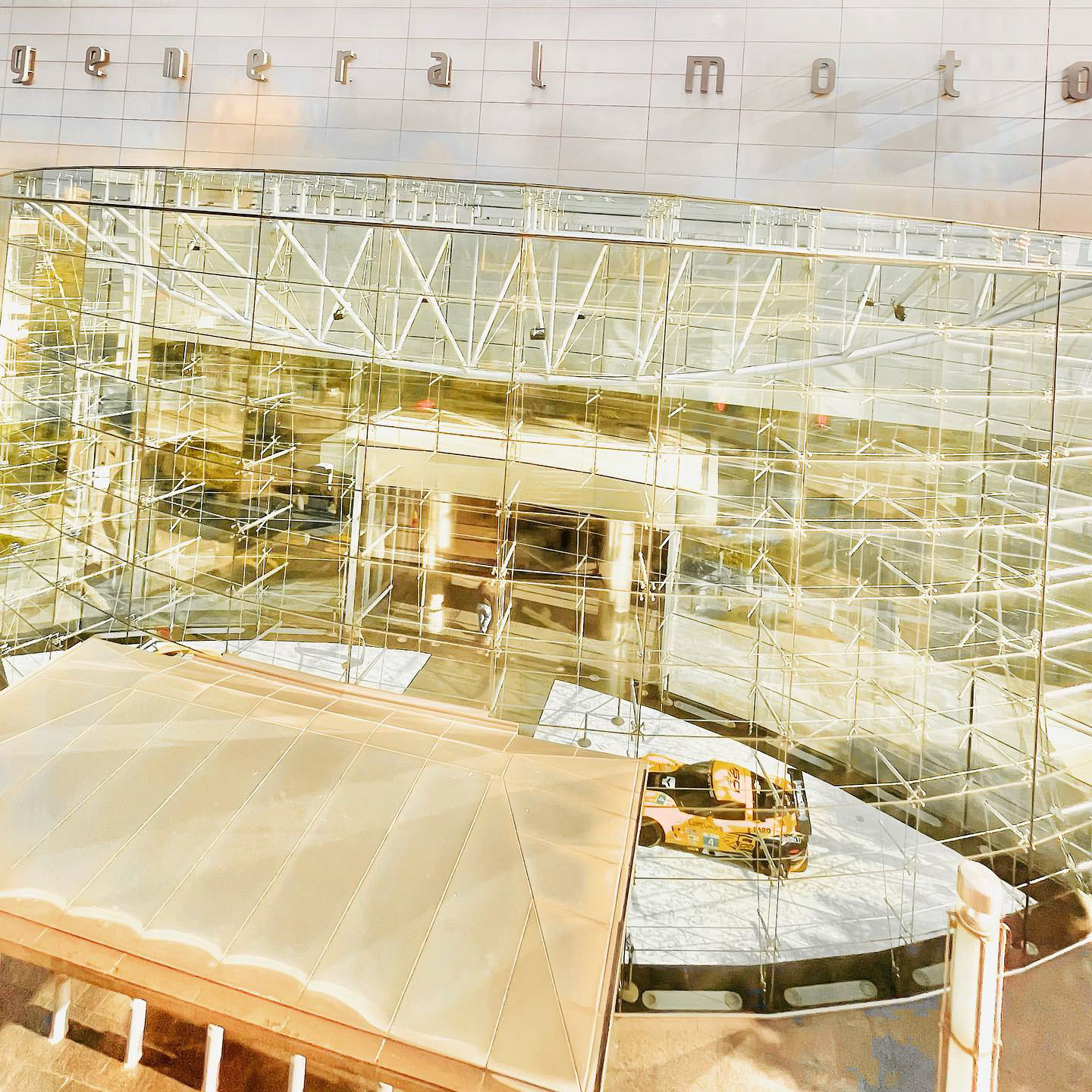
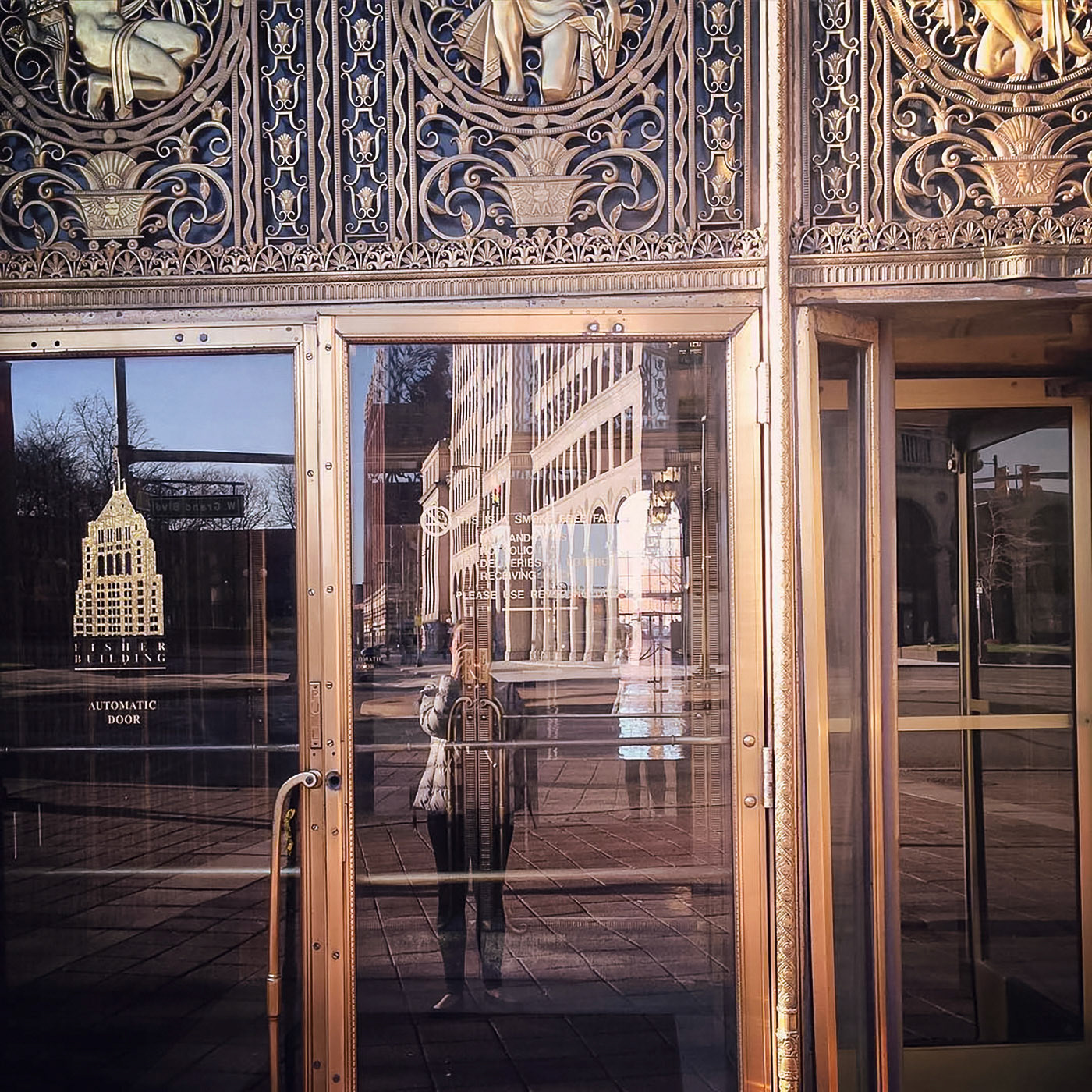
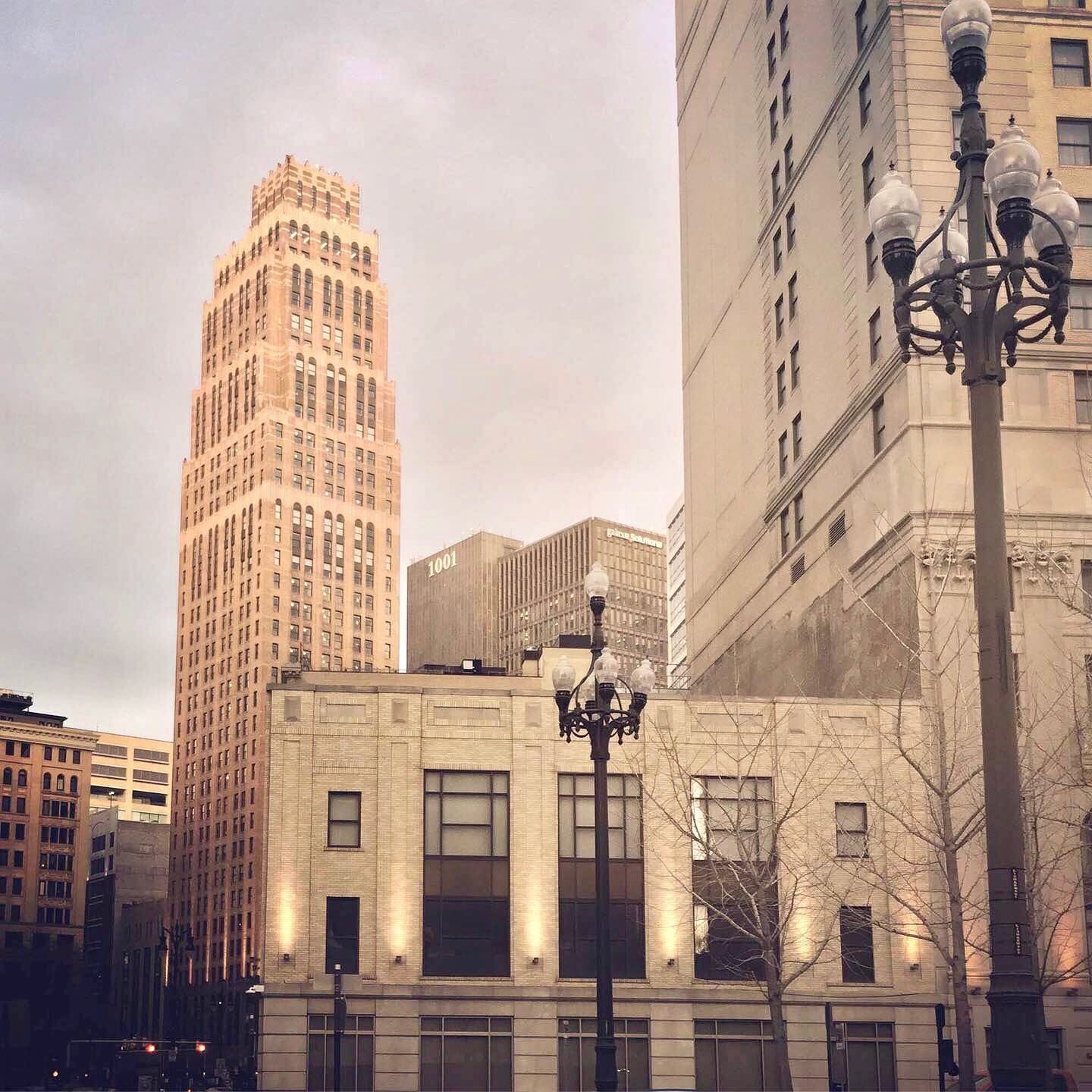
Here, Detroit is neither a cautionary tale nor a comeback narrative. It is a living architecture of intervals: still streets, sudden shafts of sunlight, the improbable geometry of old buildings stubbornly holding their corner of the grid. The city’s rhythms feel almost biological — a cardiovascular system of warm interiors and cold exteriors, bright surfaces and shadowed edges, the flicker of human presence across wide urban space.
If American cities often feel like arguments with themselves, Detroit feels more like a conversation — one that has been going on for decades without losing its thread. The images capture that tone: measured, unhurried, sometimes bruised, but never defeated. There is a depth to the city’s silences, a fullness to its vacant moments that suggests not emptiness but rest.
What emerges is a portrait of a city that has carried both burden and brilliance without outsourcing its identity to either. A place where time does not erase so much as annotate. A place that still believes in the long game.
“De-Troit” reads like a field study of urban consciousness — the textures we overlook, the glow that windows hold after dusk, the unexpected grace of steel and concrete at certain hours of the day. It is a Lumen about seeing, not interpreting; about witness, not rhetoric.
Cities rarely allow themselves to be known. Detroit, in these thirty-five breaths, permits an intimacy that feels earned.