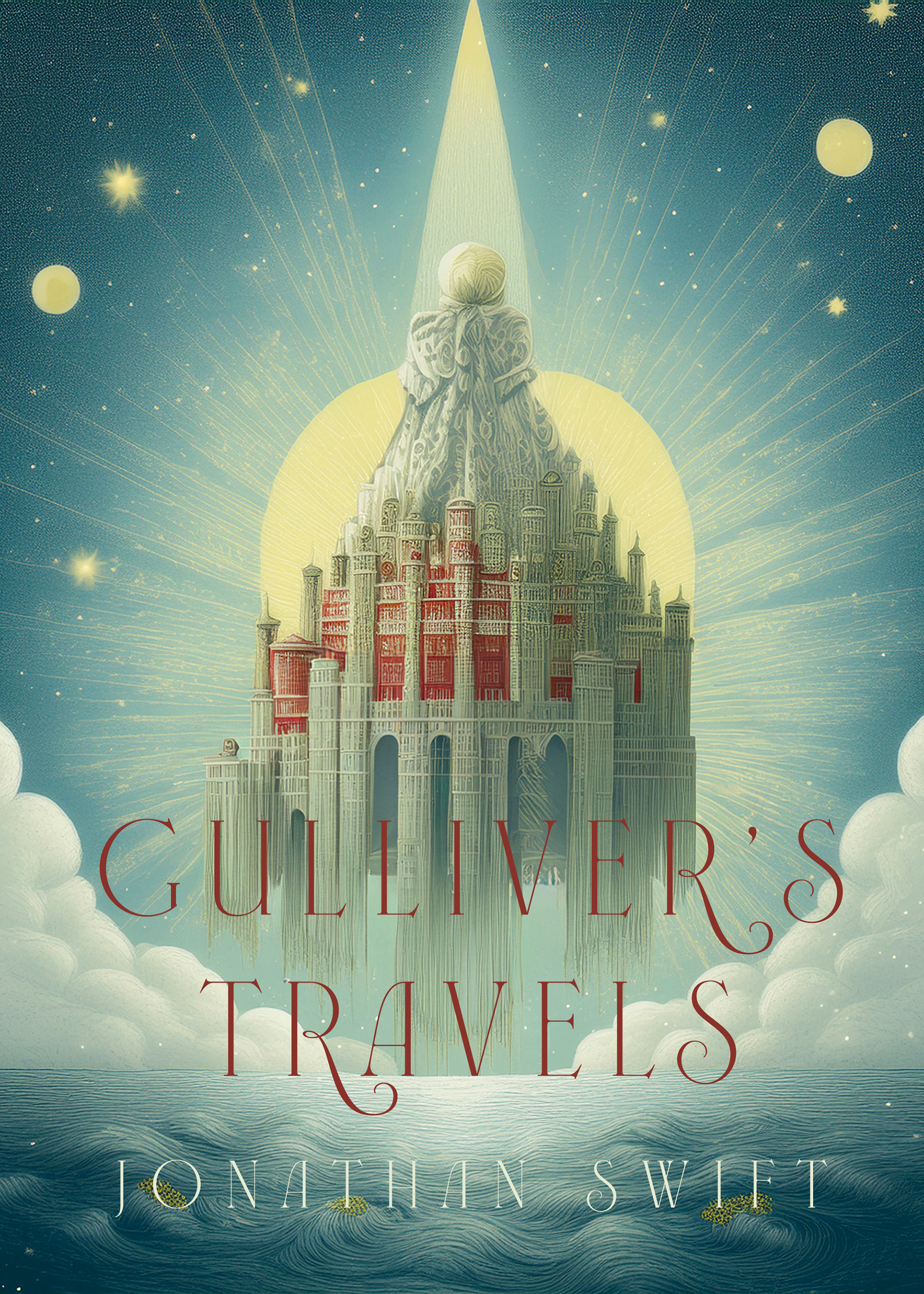
This project gathers a constellation of beloved stories — classics that have shaped imaginations for centuries — and reinterprets them through a lens of quiet wonder and modern fablecraft.
Each image becomes a cover for a tale we already know, yet rediscover anew.
Included in this growing series:
Don Quixote
Pan Tadeusz
Alice in Wonderland
The Little Prince
Foucault’s Pendulum
Foe
The Picture of Dorian Gray
The Odyssey
Heart of Darkness
Gulliver’s Travels
Rendered as illustrated portals, these covers seek not to replace the originals, but to echo their spirit in a fresh visual language — part folklore, part dreamscape, part contemporary myth-making.
They invite a slower reading of the familiar: windmills remembered as giants, forests remembered as nations, mirrors remembered as thresholds, and journeys remembered as spells of transformation.
The collection stands as a quiet homage to the storytellers before us —
a small celebration of how enduring narratives can shimmer differently in every era, every mind, every new pair of hands that holds them.
Curated. Editorial. Collectible. Designed for the age of intelligent creation.
OfToil Studio produces AI-generated visual assets developed with the precision of a designer and the sensibility of an art director. Each work is built from a narrative core — a fusion of concept, craft, and intelligent automation — ready for deployment across the publishing, design, and advertising industries.
Applications
Editorial design · book publishing · campaign concepting · brand identity · visual research · experiential design · web & motion · exhibition and poster work · fine art reproduction
Available Formats
High-resolution stills · print-ready artwork · layered source files · bespoke commissions. Each asset is crafted with an editorial eye and is available via custom licensing, or direct collaboration through OfToil Studio’s creative archive.
OfToil Studio produces AI-generated visual assets developed with the precision of a designer and the sensibility of an art director. Each work is built from a narrative core — a fusion of concept, craft, and intelligent automation — ready for deployment across the publishing, design, and advertising industries.
Applications
Editorial design · book publishing · campaign concepting · brand identity · visual research · experiential design · web & motion · exhibition and poster work · fine art reproduction
Available Formats
High-resolution stills · print-ready artwork · layered source files · bespoke commissions. Each asset is crafted with an editorial eye and is available via custom licensing, or direct collaboration through OfToil Studio’s creative archive.
Below:
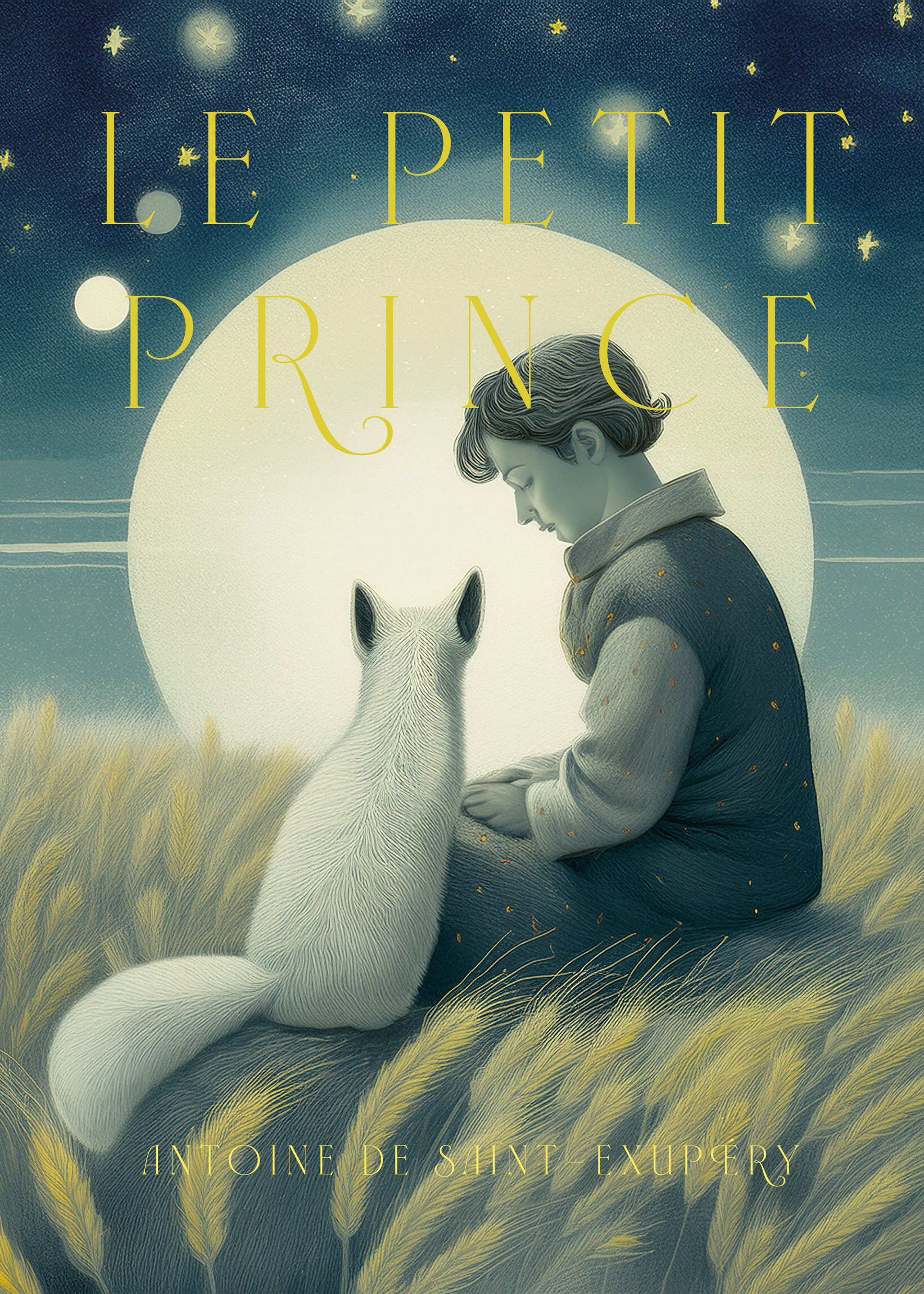
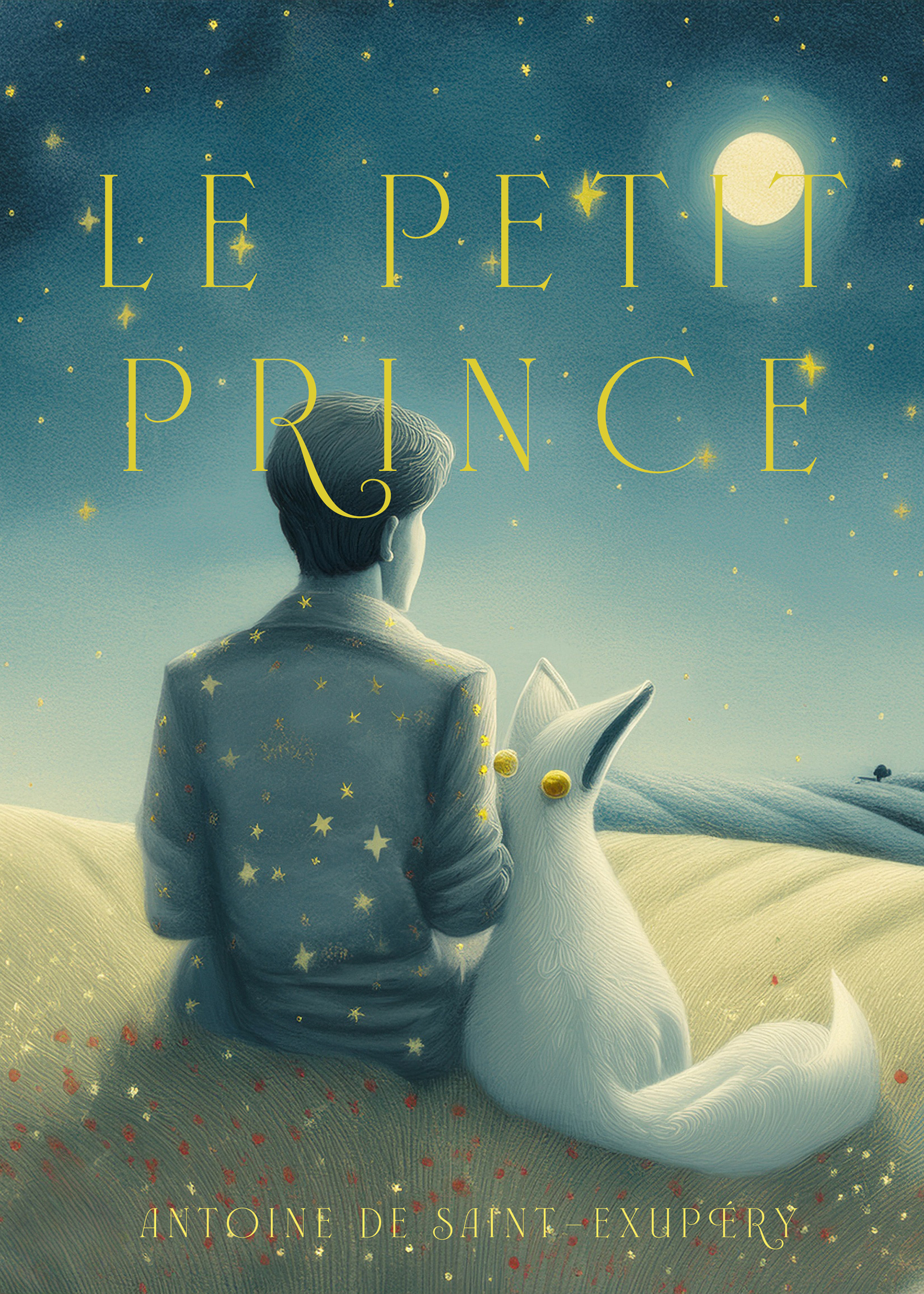
Cover illustration inspired by Antoine de Saint-Exupéry’s Le Petit Prince (1943), Chapter XXI. The Little Prince sits with the Fox in a golden wheat field at sunset, the moment the Fox whispers his secret: ‘On ne voit bien qu’avec le cœur. L’essentiel est invisible pour les yeux.’ Atmosphere of tenderness and luminous stillness, the invisible bond between them glowing softly, blending reality and dream.
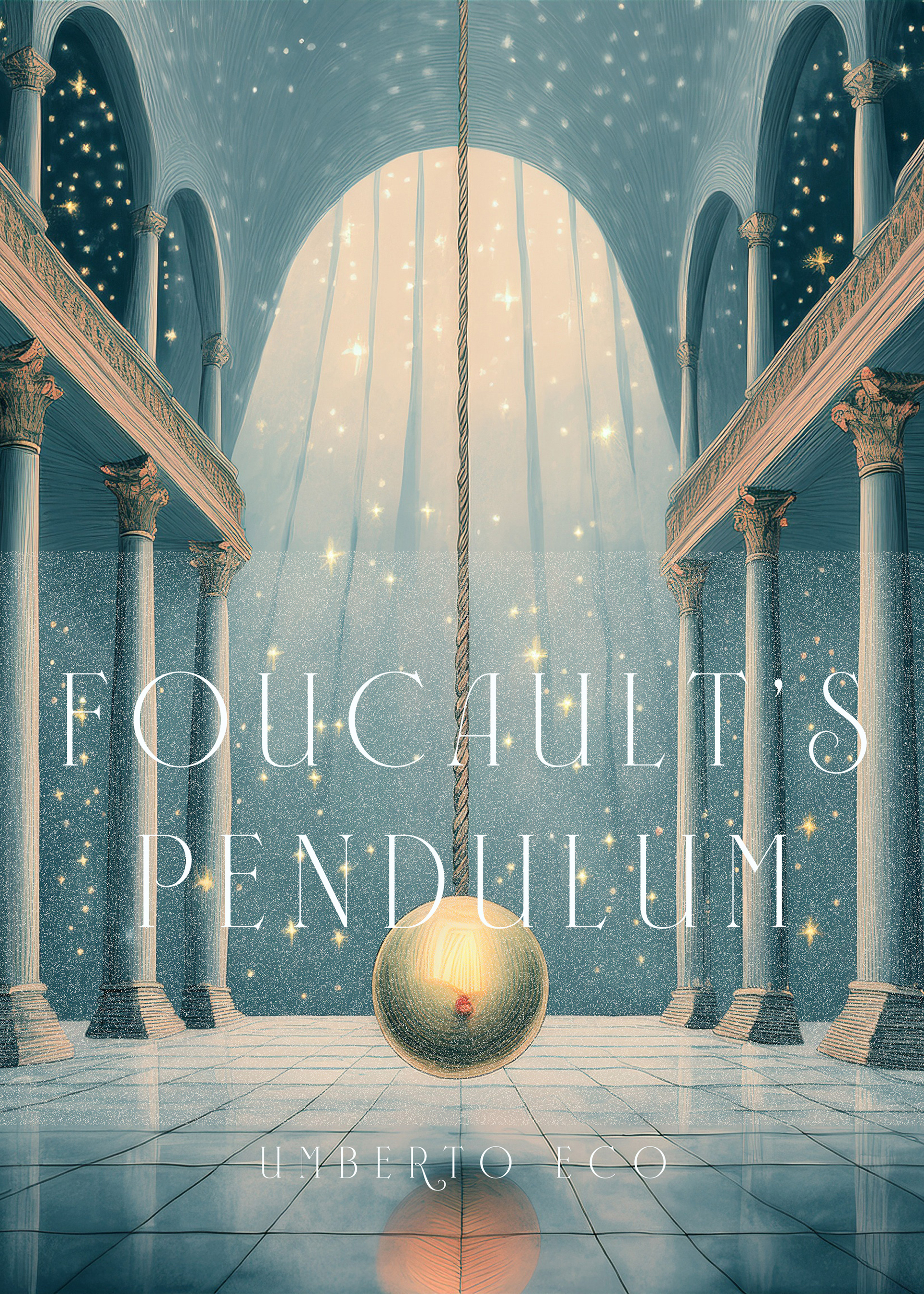
Cover illustration inspired by Umberto Eco’s Foucault’s Pendulum (1988).
In a cavernous, cathedral-like hall, a golden pendulum sphere hangs from an endless wire, descending from above like a celestial thread. Its swing is slow, luminous, breathing with the rhythm of the cosmos. Dust and light drift in the silence, marble floors reflecting its arc. The atmosphere is ethereal, timeless, blending the scientific and the mystical in a single enchanted vision.

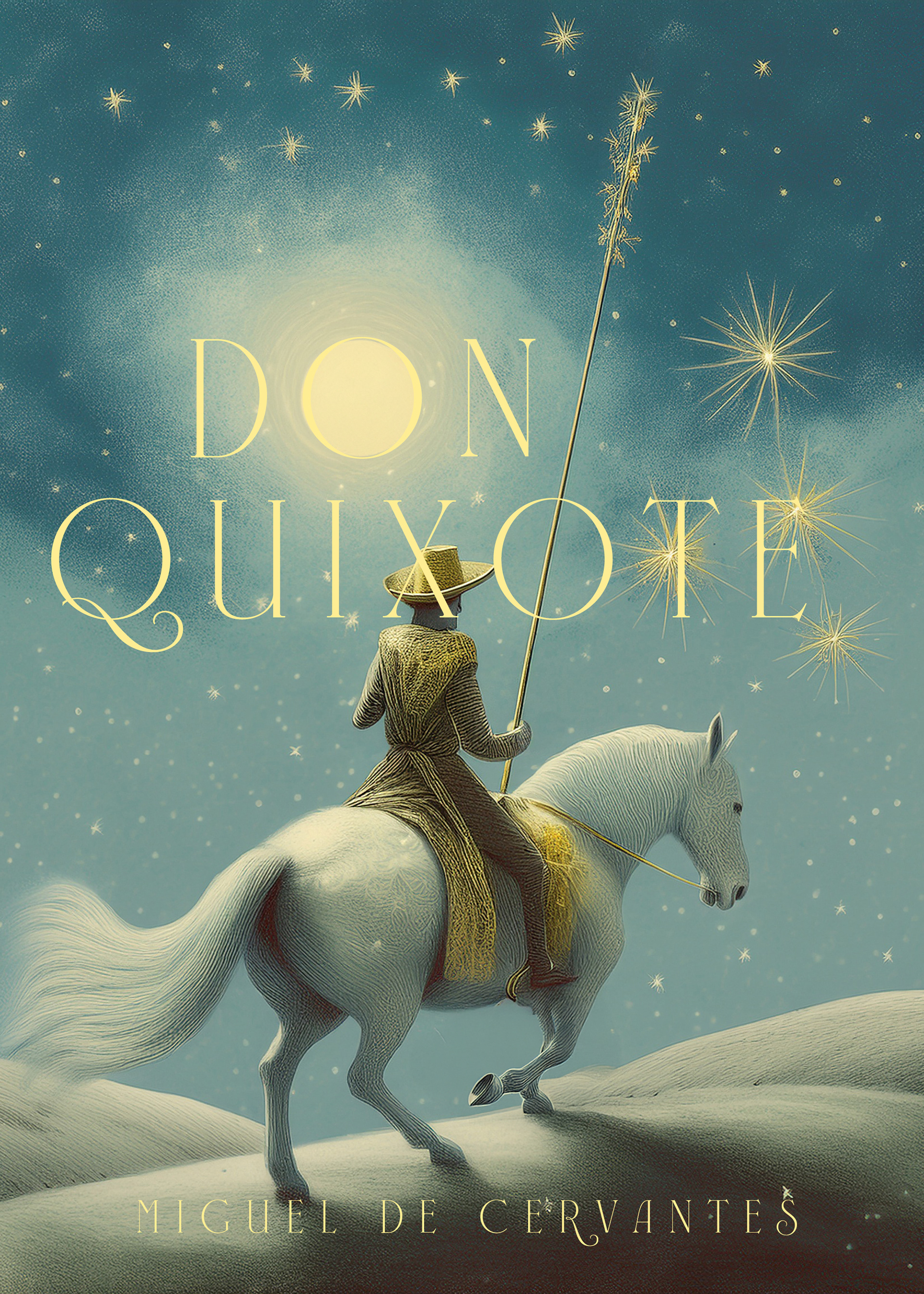
Cover illustration inspired by Miguel de Cervantes’ Don Quixote (1605). On a vast, barren plain beneath a dusky sky, Don Quixote rides his weary horse Rocinante, lance raised in defiance against towering windmills he mistakes for giants.
Their massive arms turn slowly, casting long, monstrous shadows across the earth. Sancho Panza, on his mule, looks on in disbelief. The mood is dreamlike and tragic-heroic, a vision of noble folly, where imagination overwhelms reality.

Cover illustration inspired by Lewis Carroll’s Alice’s Adventures in Wonderland (1865). In a sun-dappled meadow, Alice gazes in astonishment at a white rabbit with pink eyes, holding a pocket-watch and dressed in a tiny waistcoat. Time itself seems to shimmer around the watch, light bending in soft waves. The atmosphere is whimsical yet uncanny, like the first breath of a dream.
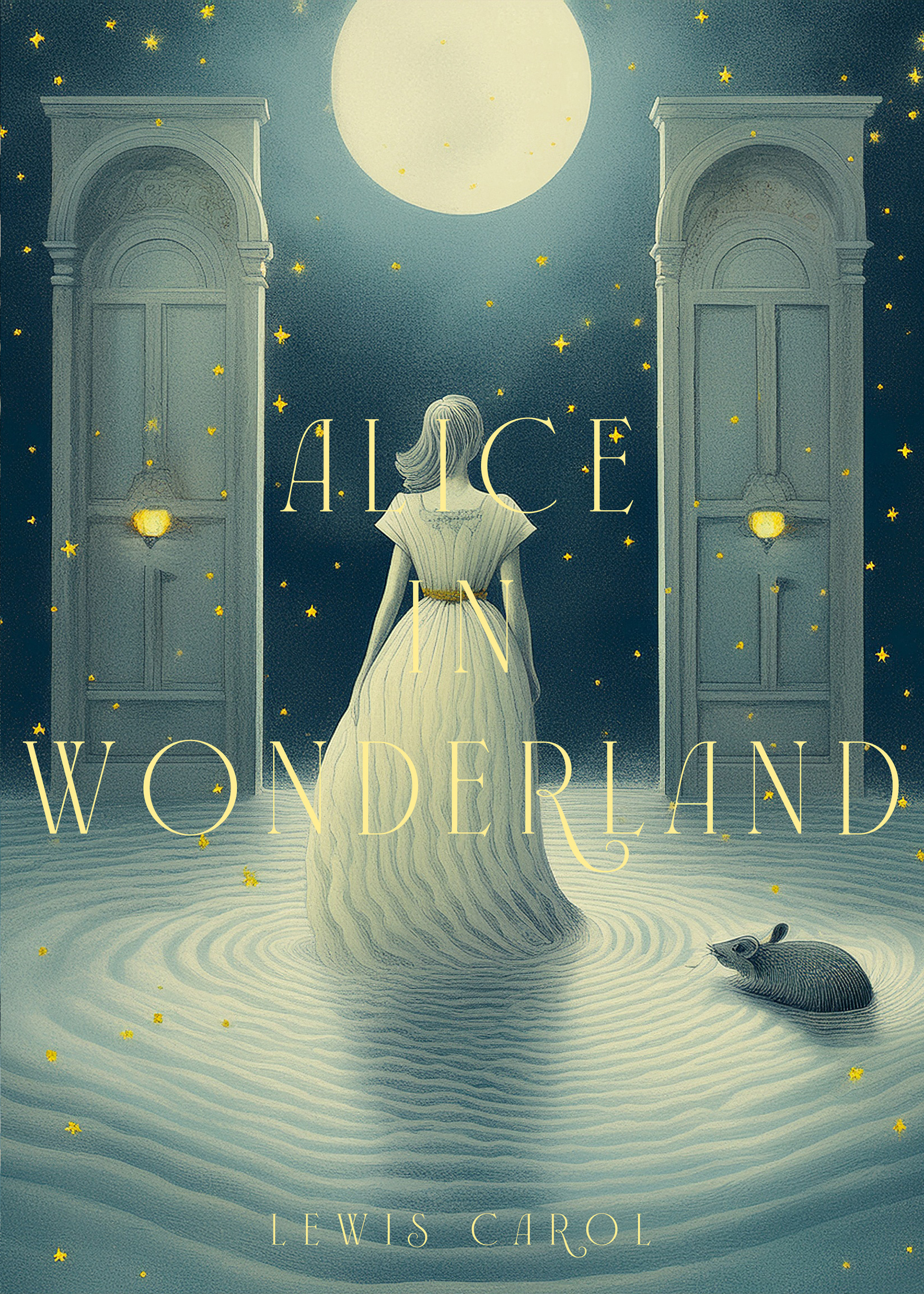
Inside a vast hall bathed in moonlight, Alice floats in a pool made of her own tears, her dress billowing like a cloud around her. A small mouse swims beside her, equally adrift. Shadows of arches and doors stretch across the water. The scene glows with melancholy magic, fragile and surreal.

Cover illustration inspired by J. M. Coetzee’s Foe (1986). In the moonlit ruins of the island, Friday stands by the water’s edge, gazing into the dark sea. His mouth is closed, his silence echoing louder than speech. Around him, the waves gleam with spectral light, and shadows of drowned ships drift beneath the surface. The moment feels solemn, uncanny, as if the ocean itself carries unspoken stories.


Cover illustration inspired by Oscar Wilde’s The Picture of Dorian Gray (1890). In a dim chamber, Dorian unveils the hidden portrait: once beautiful, now twisted with cruelty and shadow. The painted eyes gleam with corruption, the mouth warped in sin. Candlelight flickers across the grotesque features, spilling long shadows on the walls. The mood is gothic, macabre, and fantastical — a cursed mirror of the soul.
In a painter’s studio drenched in golden light, Dorian Gray stands before his newly finished portrait, radiant with eternal youth. The canvas seems alive, its colors shimmering as if breathing with a hidden soul. Shadows gather in the corners, mingling with the scent of oils and flowers. The mood is luminous and spellbound, a fairytale moment of beauty transfigured into enchantment.


Cover illustration inspired by Adam Mickiewicz’s Pan Tadeusz (1834). A misty Lithuanian meadow at sunrise, where silver dew clings to tall grasses. Cranes rise in flight from a reedy pond, their wings catching the first golden light. Beyond, birch and oak trees shimmer like cathedral pillars in the morning haze. The scene is serene, enchanted, a hymn to the awakening of the land itself.
A deep forest alive with the motion of animals — a stag leaps through a thicket, while hounds in the distance blur into mist. Rays of sunlight pierce through the canopy, striking the stag’s antlers so they glimmer like branches of fire. The mood is wild, almost mythical, as if nature itself were staging a ritual.


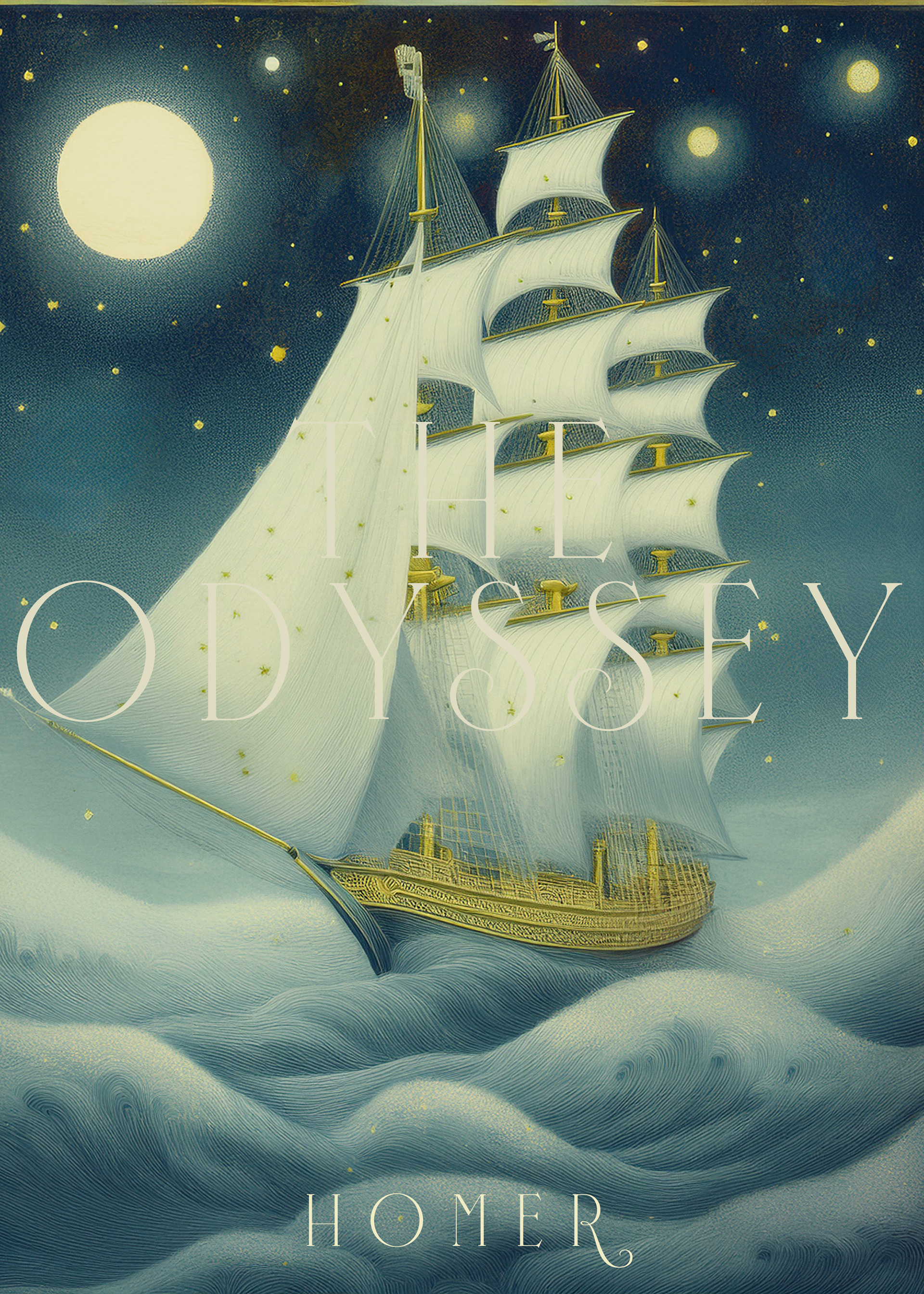
Cover illustration inspired by Homer’s The Odyssey. A ship with white sails glides across a gleaming sea, lashed to its mast stands Odysseus, resisting the pull of the Sirens’ song. On jagged rocks nearby, the Sirens shimmer — part-woman, part-bird, luminous and dangerous. The air is golden with enchantment, the sea dark with hidden peril.
A lush, enchanted island, its groves heavy with vines and blossoms glowing in eternal twilight. Calypso sits by a stream, her form half-veiled in shimmering mist, while Odysseus gazes toward the endless horizon. The whole scene radiates dreamlike suspension, as if time itself is asleep.
At dawn, Odysseus steps ashore upon Ithaca, his homeland shrouded in morning mist. Olive trees glisten on the hillsides, smoke curls from distant hearths, and the land itself seems to awaken in recognition. The mood is tender, triumphant, a vision of homecoming made myth.

Cover illustration inspired by Joseph Conrad’s Heart of Darkness. A narrow steamer pushes slowly along a vast African river, its black smoke curling against a burning red sky. Dense jungle presses close on both sides, the trees rising like walls, their reflections shimmering in the dark water. The atmosphere is haunting, dreamlike, foreboding. Under a heavy moon, the African forest looms with tangled vines and colossal trees, alive with hidden eyes.
Beams of sunlight scatter through its underside, casting dreamlike rays upon the ocean waves. The mood is fantastical and celestial, a mythical city adrift between heaven and sea.
In a serene valley at dusk, noble horses with luminous eyes stand in council, their forms half-real, half-ethereal. They gaze at Gulliver with wise serenity, their presence almost divine, as if carved from light and twilight mist. Around them, the meadows shimmer with an unreal glow, as if this realm belongs to another order of nature. The mood is solemn, enchanted, otherworldly.


Cover illustration inspired by Jonathan Swift’s Gulliver’s Travels (1726). Gulliver lies upon a soft meadow by the shore, but his arms and legs are bound with hundreds of glimmering threads. Tiny Lilliputians, no taller than a handspan, swarm across his body like industrious sprites, their spears glinting in the dawn light.
The scene is whimsical yet majestic, a mythical giant held captive by an enchanted people beneath the pastel sky. A vast island hovers in the air, its foundations of rock studded with glowing crystals and metallic roots. From below, its gardens and towers rise into the clouds like a drifting enchanted fortress.